

Most people come to Rajasthan for the forts. What they remember, often enough, is something that arrived at the edge of the plate in a bowl the size of a matchbox. Rajasthani achar is the quiet centre of a meal here: fierce, sour, salty, and capable of turning a plain millet roti into something you think about later.
This is not the mild stuff sold in supermarket jars. Rajasthani pickles are built to survive a desert summer without refrigeration, which is why they taste the way they do. Six of them are worth going out of your way for, and they are set out below, with how each one is made and how to carry a jar home.
The Ingenious Roots of Rajasthani Cuisine
To truly appreciate the fine art of local condiment making, one must first understand the region’s demanding geography. The Thar Desert is breathtakingly beautiful but historically unforgiving. Fresh vegetables were a rare luxury in the sweltering heat before the advent of modern refrigeration and fast transport. Necessity is famously the mother of all culinary invention. Local cooks developed brilliant methods to preserve whatever the arid land provided them. Sun drying and pickling in robust mustard oil became the absolute backbone of their food philosophy.
The intense heat of the desert sun was harnessed to mature spices and ferment raw ingredients perfectly. This vital survival tactic eventually evolved into a celebrated culinary heritage. The resulting relishes are deeply woven into the fabric of daily life. They add a much-needed burst of acidic brightness and fiery depth to the daily staple diet of lentils and wholesome grains.
A Symphony of Spice in the Rajasthani thali
The Thar is beautiful, and it is unforgiving. Before refrigeration and fast transport, fresh vegetables were a luxury here for most of the year, so cooks preserved whatever the land gave them. Sun drying and packing in mustard oil became the kitchen’s backbone, and the sun did the work a stove could not.
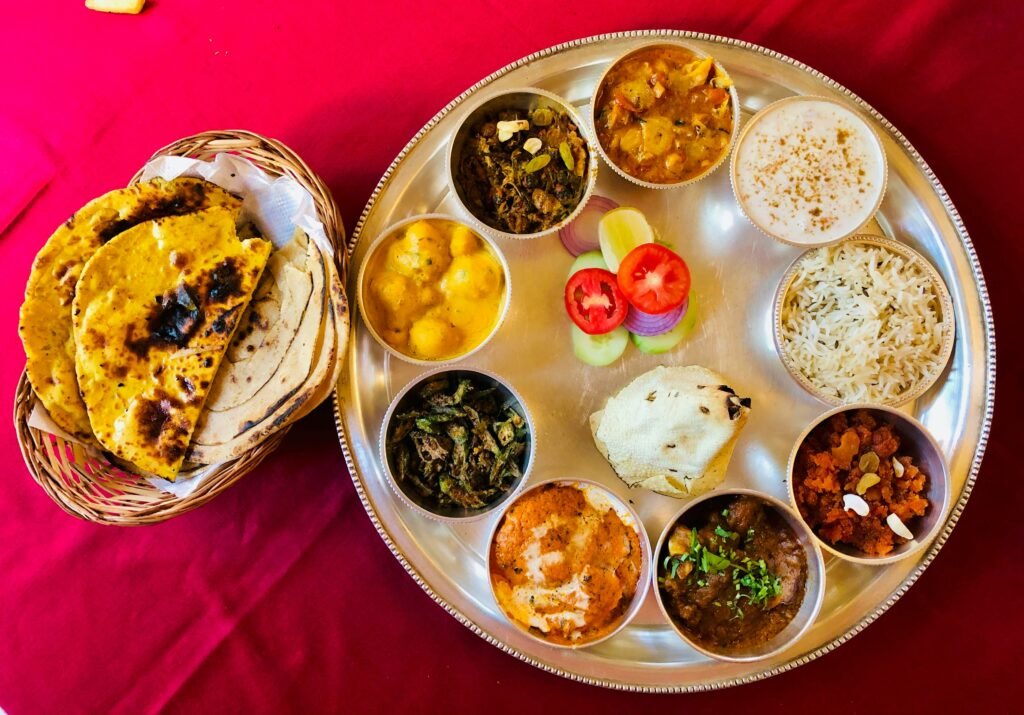
That survival habit turned into a cuisine. No grand feast is complete without a perfectly assembled Rajasthani thali. This massive platter is a visual and gastronomic feast that can slightly overwhelm the uninitiated traveller. On a Rajasthani thali, the small bowls are not decoration. A bite of pickle between mouthfuls of ghee-rich curry resets the palate, which is the only way anyone finishes a meal that heavy.
Amid endless bowls of rich mutton curries, smoky yellow lentils, and heavily sweetened desserts, the pickles act as vital palate cleansers. The classic green chilli pickle delivers a sharp, vinegar-laced bite that cuts through the heavy, ghee-laden dishes.
Then there is the ubiquitous raw mango pickle. It is tart, incredibly salty and heavily spiced with toasted fennel seeds and nigella. A tiny nibble of this mango pickle between bites of rich curry resets your palate and prepares you for the next wave of intense flavours. Take the achar away and the whole plate becomes monotonous. They are the crucial conductors directing a complex symphony of regional flavours.
1. The Rare Elegance of Ker Sangri – a Pickle Only the Desert Makes
If there were a global award for the most resilient ingredients on earth, the indigenous ker berry and sangri bean would effortlessly take the gold medal. Ker is a small, sour berry from a thorny shrub. Sangri is the long, tender pod of the khejri, the tree Rajasthan treats as sacred and plants in its fields.
Both are gathered in April and May, boiled, and sun-dried, then kept for years in a sealed jar. Nothing about that is convenient. It is what grows when almost nothing grows. These thorny shrubs thrive in the exact places where other plants surrender to the drought. When combined, they create a pickle that is nothing short of legendary. Foraging for these ingredients is an ancient practice that requires immense skill.
Before cooking, soak both overnight, then finish with mustard oil, dried red chillies, amchur, and cumin. The result is tart, chewy and deeply savoury, and no two households agree on the ratio. Bought as part of panchkuta, the five-ingredient dessert mix, it is the one Rajasthani pickle you cannot really find anywhere else. Every grandmother fiercely guards her own specific ratio of spices. Our guide to Rajasthani cuisine covers one such cooked version.
2. Mirchi ka Achar, the Green Chilli Pickle
The Rajasthani mirchi pickle frightens visitors, then wins them over. Fat green chillies are slit, stuffed with a coarse masala of fennel, fenugreek, mustard and nigella, and left in mustard oil until the skins soften.
It is hot, but not only hot. The sourness comes from amchur, and traditional Rajasthani mirchi pickle has no vinegar, so it tastes rounder and earthier than sharp commercial versions. Eat it with dal and rice, not on its own.
3. Aam ka Achar, the Raw Mango Pickle
The pickle every Indian household argues about. Hard, unripe mangoes are cut with the stone in, salted, dried, then packed with toasted fennel, nigella, fenugreek, turmeric and enough mustard oil to cover everything. It sits for weeks, and the first jar is opened with some ceremony.
A sliver of it between bites of a rich curry does more work than any chutney. This is the Rajasthani achar that travels best, and the one most guests end up asking to take with them.
4. Kachri, the Wild Melon Chutney
Kachri is a wild melon the size of a plum that grows without anyone planting it. Dried and ground, it is the souring agent in half of Rajasthani cooking; fresh, it becomes a Rajasthani chutney that is tangy, faintly sweet and much gentler than the pickles.
It is the thing to reach for if the mirchi has defeated you. It also explains something about this food: the sourness does not come from lemons or vinegar here; it comes from whatever the desert dries well.
5. Papaya Chutney, the Sweet One
Raw papaya, grated and slowly cooked down with jaggery, roasted cumin, and black salt, turns into a sticky amber relish somewhere between a chutney and a jam. It is the softest thing on the table and the right partner for a hot kachori.
Every Rajasthani chutney on this list plays the same role from a different direction: cutting the fat and the heat of the main dishes so the next mouthful tastes like the first.
6. Nimbu ka Achar, the Lime Pickle
The most patient of all Rajasthani achars. Whole limes are quartered, packed in salt, and left alone for months, sometimes years. The rinds soften and darken until they almost melt, and the flavour turns from sharp to deep and slightly medicinal.
Older jars are prized, and a good nimbu ka achar is the standard by which a household judges its own kitchen.
The Ritual of Sun Drying and Spicing
The creation of these magnificent condiments is rarely a solitary pursuit. It is a highly social and deeply nostalgic event that marks the changing of the seasons across the state. Entire courtyards are transformed into aromatic outdoor workshops. Women gather in the dappled shade of neem trees to painstakingly peel mountains of garlic or chop heavy baskets of sour green mangoes. The air grows thick with the sharp scent of mustard oil being heated to its smoking point and then slowly cooled.
This crucial step burns off the oil’s raw pungency and ensures the precious Rajasthani pickle lasts for years without spoiling. Great care is taken to dry every single ingredient perfectly under the relentless sun because even a single drop of residual water can ruin a whole batch.
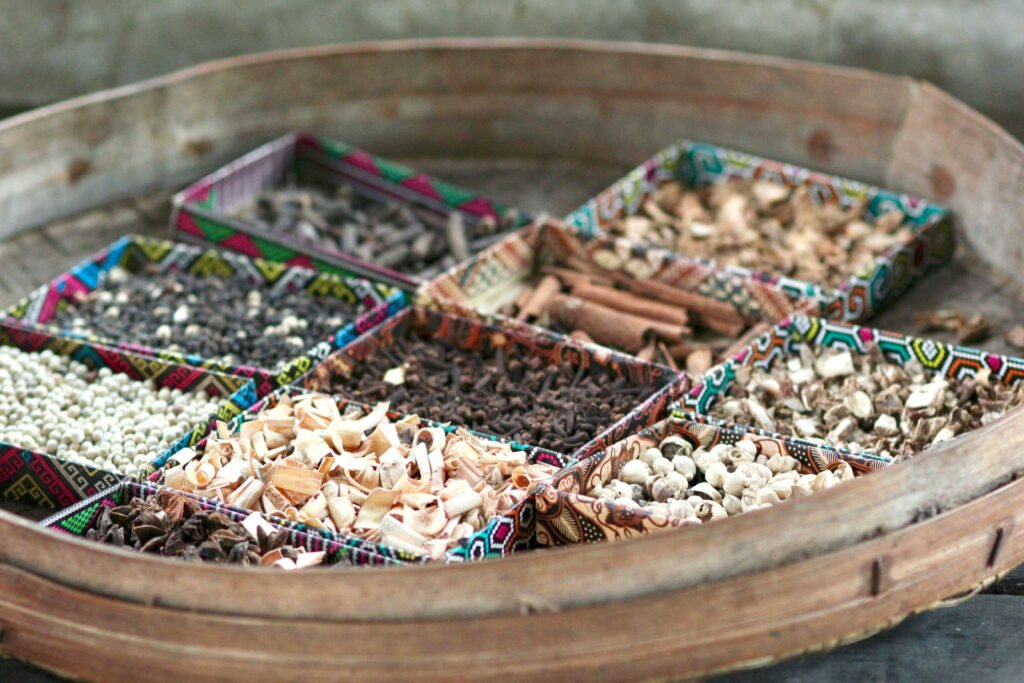
The spice blends are hand-roasted in heavy iron pans. The delightful crackle of mustard seeds, fenugreek, fennel and carom seeds releases intoxicating essential oils into the dry air. This meticulous alchemy is a beautiful testament to the extreme patience required to master the local cuisine.
Elevating the Everyday Meal
Rajasthani achar travels better than almost any other edible souvenir. Buy from a shop that fills its own jars rather than a sealed factory brand, ask what year the nimbu ka achar was made, and check that the oil covers everything in the jar, because anything above the oil line will spoil.
The true magic of these bold relishes lies in their incredible versatility. You do not need to be attending a lavish royal wedding to enjoy them. They are the great equalisers of the dining table. A humble farmer taking a well-deserved break under a Khejri tree will enjoy the exact same spicy garlic paste as a wealthy merchant dining in a frescoed mansion. A simple and austere lunch of boiled rice and plain yellow lentils is instantly transformed into a highly memorable feast with the addition of a potent lime pickle.
The citrus rinds soften over months in the ceramic jar as they absorb the salt and spices until they practically melt on the tongue. These condiments are lovingly packed into silver tiffin boxes for long train journeys and wrapped in cloth for extended desert safaris. They are reliable and robust companions that carry the comfort of home wherever you might roam.
The culinary landscape of this region is a thrilling rollercoaster of textures, temperatures and daring ingredients. The humble pickles and chutneys are the undisputed stars of the show, proving time and again that monumental flavour often comes in the very smallest packages.
Pack jars in a bag inside your case, since mustard oil finds every gap, and put them in checked luggage rather than hand baggage. A jar of Rajasthani achar also makes a better wedding return gift than most things bought for the purpose, and it is one of the few Jaipur souvenirs that improves with age.
Exploring these fiery, tangy, and sweet creations is essential for anyone who wants to truly understand the region’s resilient soul. Your taste buds will be forever grateful for the deliciously spicy education.
If you are ready to embark on a truly unforgettable gastronomic journey and experience the finest hospitality the state has to offer, reach out to Dera Mandawa today to book your stay and let us craft your perfectly tailored royal escape.
Frequently Asked Questions
What is Rajasthani achar?
Achar is the Hindi word for pickle, and Rajasthani achar is the desert version: vegetables or fruit cured with salt, sun-dried, and preserved in mustard oil with whole spices. It was built to last a year without refrigeration, which is why it is saltier, sourer and hotter than pickles made elsewhere in India.
What makes Rajasthani achar different from other Indian pickles?
Three things. The ingredients are often wild rather than farmed, such as ker, sangri and kachri. The souring comes from amchur or from the dried fruit itself rather than from vinegar. The sun dries it rather than heat, which gives a chewier texture and a slower, deeper flavour.
Is vinegar used in Rajasthani achar?
No. Traditional recipes sour the pickle with amchur, dried raw mango ground into a powder, or with lemon and salt. Vinegar belongs to commercial and instant pickles. If a jar lists vinegar high on the label, it is not made the traditional way.
Is Rajasthani mirchi pickle very hot?
Hot, but manageable with food. The chillies are large and mild rather than small and fiery, and the fennel, fenugreek, and mustard stuffing softens the heat considerably. Eat the Rajasthani mirchi pickle with dal and rice, not by itself, and start with half a chilli.
What is kachri?
A wild melon about the size of a plum, growing untended across the desert. Dried and powdered, it is used as a souring agent and meat tenderiser; fresh, it becomes a Rajasthani chutney. It is one of several desert ingredients Rajasthani cooking uses that are gathered rather than grown.
Which Rajasthani chutney is best if you cannot take heat?
The papaya one. Cooked with jaggery and black salt, it is sweet and mild, and it is usually served alongside fried snacks for exactly that reason. Kachri chutney is the next gentlest: tangy rather than fiery.
How long do these pickles keep?
A properly made jar of Rajasthani achar lasts years, not months, as long as the oil covers the contents and no water gets in. Dried ker and sangri keep even longer in sealed packets, up to seven or eight years, which is what made them worth foraging in the first place.
When is pickle-making season in Rajasthan?
Roughly April to June, and most Rajasthani achar is made in those weeks. That is when raw mangoes are in, when ker and sangri are gathered, and above all when the sun is strong enough to dry everything properly. Pickles made in the monsoon are the ones that spoil.
Can you take achar home on a flight?
Yes, in checked luggage. Oil-based pickles are liquids for security purposes, so they will not pass in hand baggage in any useful quantity. Wrap each jar in a bag, tape the lid, and pack it in the middle of your case.
Can guests try Rajasthani Pickle at Dera Mandawa?
Yes. Meals here come from the family kitchen rather than a commercial one, so the pickles on the table are the household’s own. If you want to see how they are made, ask when you book, and we will arrange a session in the kitchen.
