

A destination wedding in Jaipur reflects the city’s royal architecture, bright colours and long-standing cultural traditions. Historic courtyards, open terraces and heritage surroundings create a setting where every ceremony feels considered and every gathering finds its place naturally. Families choose Jaipur for its craftsmanship, hospitality and enduring customs, making each celebration personal, graceful and connected to the character of the city.
Jaipur also draws couples with its sense of occasion. From traditional music to handcrafted decor and renowned cuisine, the city allows families to experience customs that have moulded celebrations for generations. This environment encourages connection and shared joy, making it an ideal choice for weddings that look for meaning as much as beauty in a destination wedding in Jaipur.
When to Hold a Destination Wedding in Jaipur
Season narrows the calendar more than most couples expect. October to March is the workable window. November, December and February are the strongest months, with daytime temperatures comfortable enough for courtyard functions and evenings cool without being cold.
April to June is unworkable outdoors, with temperatures regularly above forty degrees. July to September brings the monsoon, which rules out open terraces and lawns for anything that cannot be moved indoors at an hour’s notice.
Two further constraints catch families planning from abroad. Hindu weddings are not held during Kharmas, roughly mid December to mid January, or during Chaturmas, the four month period from Devshayani to Devuthani Ekadashi that falls across the monsoon. Within the permitted months, auspicious dates are published annually and the good ones book eighteen months ahead.
The practical consequence is that a destination wedding in Jaipur has perhaps fifty viable dates a year, and the best venues are taken first. Start with the date, then find the venue. See also our note on why winter suits a Jaipur wedding.
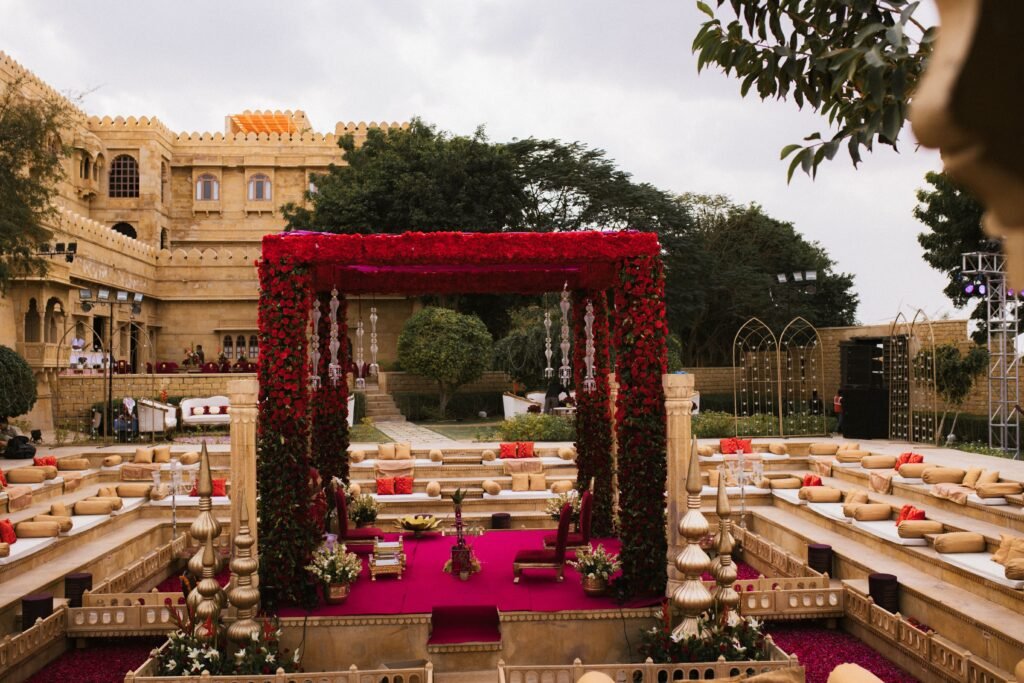
Why Jaipur is the Best Wedding Destination in Rajasthan
Jaipur stands out as Rajasthan’s best wedding destination because it offers heritage and comfort in equal measure. A destination wedding in Jaipur can be staged at almost any scale, from small gatherings to extensive celebrations. Each venue carries the essence of Rajasthan, shaped by old walls, arches and courtyards that set the tone for ceremonies. Among these, Dera Mandawa offers an intimate, culturally rooted setting for families seeking a meaningful celebration.
The city’s accessibility adds further ease. The airport, major roads and accommodation options ensure smooth travel for guests. Many wedding resorts in Jaipur are located close to key landmarks, allowing families to explore the city while still keeping wedding plans organised.
Local culture also plays an essential role. Skilled craftsmen create textiles, jewellery, and decor that enrich wedding settings with authenticity. Catering teams prepare dishes that carry the depth of Rajasthani cooking, turning meals into something guests remember. These elements give weddings in Jaipur a sense of place that is difficult to replicate elsewhere.
Destination Wedding in Jaipur: What to Expect
A destination wedding in Jaipur allows couples to plan events that feel rooted in heritage while still keeping personal taste at the centre. Most wedding venues in Jaipur include courtyards for mehendi, terraces for musical evenings and elegant indoor rooms suited for ceremonies and family rituals.
Decor at a destination wedding in Jaipur carries the character of Rajasthan without overpowering the celebration. Fresh flowers, traditional fabrics, clay lamps, and hand-worked metal pieces create a gentle, composed atmosphere. The colours of the Pink City naturally enhance photographs, giving couples images that they can cherish forever.
Time spent in Jaipur feels engaging, whether families visit local bazaars, try regional dishes or enjoy music and historical sites. These experiences add layers to the wedding journey, turning it into a story shared by everyone present.
Permits, Paperwork and Practicalities
A few rules catch families out, and all of them are manageable if raised early.
Loudspeakers are prohibited between ten at night and six in the morning under national noise rules, and Jaipur enforces this. States permit a limited number of exempted nights each year for festive occasions, so if a late sangeet matters, the venue must apply in advance rather than on the day. Fireworks need separate permission and are restricted in several parts of the city.
Drone photography requires the operator to be registered under DGCA rules, and heritage sites and areas near the airport have their own restrictions. Confirm your photographer holds the paperwork rather than assuming.
For legal registration, foreign nationals marrying in India generally need a certificate of no impediment from their embassy, and the Special Marriage Act requires thirty days notice before registration. Most couples marry legally at home and hold the ceremony here, which avoids the timeline entirely.
This is general guidance, not legal advice. Confirm current requirements with a local planner or lawyer.
Choosing Between a Palace, a Resort and a Heritage Haveli
Venue type follows guest count more than taste, and every wedding venue in Jaipur falls into one of three brackets. Being honest about numbers early saves a great deal of wasted viewing.
Palace hotels suit three hundred guests and above. They offer scale, grand halls, large lawns and full event infrastructure. They also cost accordingly, and an intimate wedding inside one tends to feel lost.
Wedding resorts on the city outskirts handle one hundred and fifty to four hundred guests with lawns, banquet halls and on-site rooms. They are the practical middle option, though most sit well outside the old city and the setting is contemporary rather than historic.
A heritage wedding venue in Jaipur is usually haveli-scale, working for roughly thirty to eighty guests. The scale is domestic rather than institutional; courtyards replace lawns, and the hosting family is usually present throughout. For couples who want every guest at one table rather than a seating plan, this is the right choice. For a three hundred-guest wedding, it is not.
What a Destination Wedding in Jaipur Costs
There is no single figure, because the variables move independently. Understanding what moves them is more useful than a headline number.
Guest count is the largest driver, since it determines catering, rooms and venue category simultaneously. Number of nights is second. A three-day wedding with mehendi, sangeet, and phere costs considerably more than a single ceremony day, and usually a destination wedding in Jaipur runs two to four days.
Decor is the most elastic line and the easiest to overspend. Fresh flower work priced by the installation escalates quickly, while lighting, clay lamps and existing architecture do a great deal for very little. A heritage venue needs less dressing than a blank banquet hall, which is a genuine saving rather than a marketing claim.
Peak dates carry premiums. The same venue on a non-auspicious weekday in February costs less than on a published shubh muhurat in November. Ask for both quotes before fixing the date.
How a Three Day Destination Wedding in Jaipur Flows
Most celebrations follow a recognisable shape, and knowing it helps when reading a venue proposal.
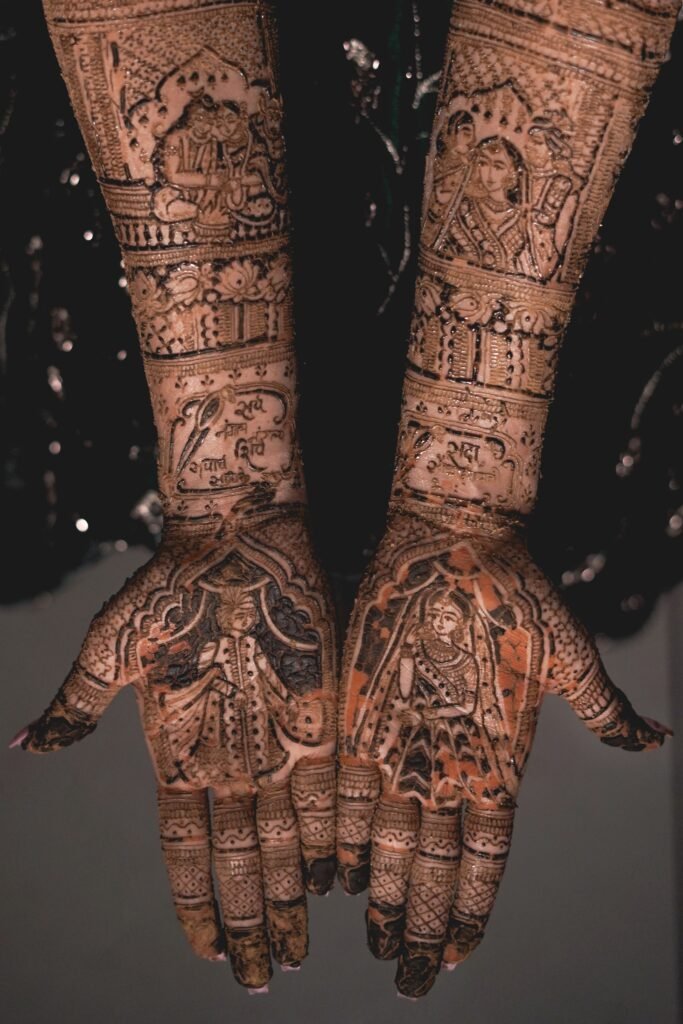
Day one is arrival and mehendi, usually an afternoon into evening function in a courtyard, with the bride’s henna taking several hours and music running alongside it. It is the most relaxed day and the one guests remember for conversation.
Day two brings haldi in the morning, informal and messy, followed by sangeet in the evening. Sangeet is the loudest function and the one most affected by the ten o’clock rule.
Day three is the wedding itself. The baraat arrives, the phere take place at the muhurat time set by the family priest, which is frequently late at night, and vidaai follows at dawn. Build the schedule backwards from the muhurat rather than forwards from the morning.
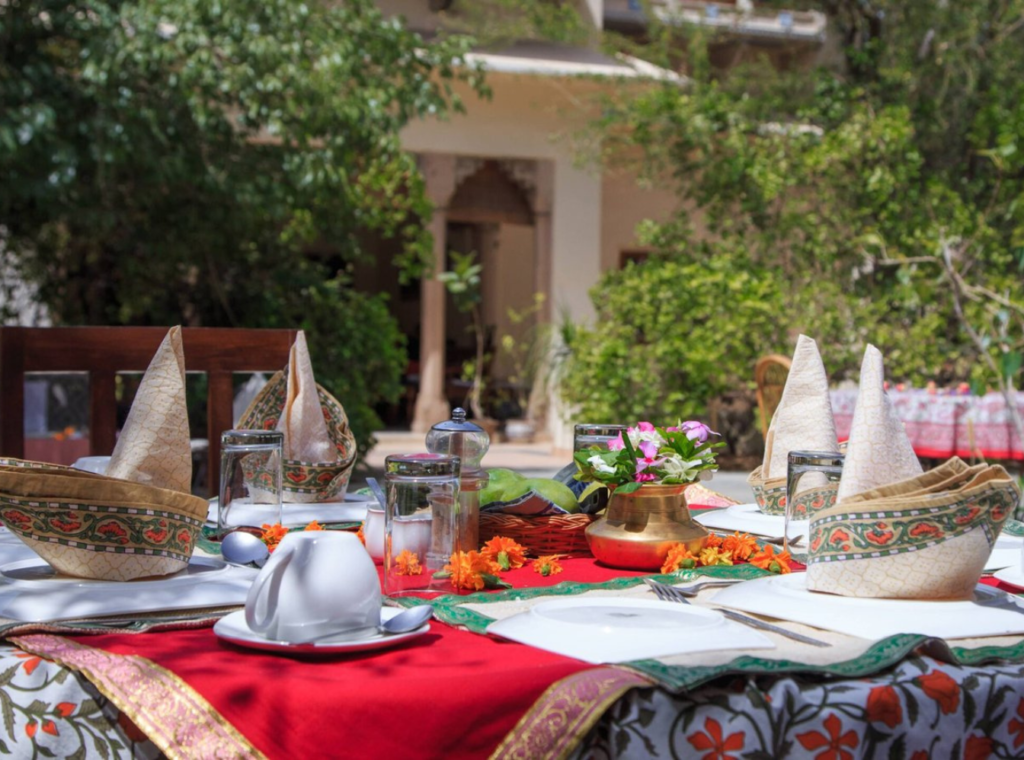
Our Heritage Haveli in Jaipur
At Dera Mandawa, we welcome couples who wish to celebrate in a home that values warmth, care and family tradition. Our courtyards suit weddings that prioritise intimacy over scale, and the suites accommodate the closest family on site.
For couples planning a small destination wedding in Jaipur, this scale works: one guest per table, with no seating plan to negotiate.
Frequently Asked Questions
Why do couples choose Jaipur for their wedding?
A destination wedding in Jaipur appeals to couples who want heritage settings, thoughtful hospitality and a cultural atmosphere that enriches the celebrations.
What makes Jaipur stand out among wedding destinations in Rajasthan?
The pink city is regarded as the best wedding destination in Rajasthan because it brings together historic venues, skilled local teams and architecture that adds significance to each ceremony.
Is Jaipur convenient for guests travelling from outside the region?
Yes, the airport, road connections and selection of accommodation make Jaipur suitable for guests arriving from different parts of India and abroad.
How far in advance should we book a destination wedding in Jaipur?
Twelve to eighteen months for a peak season date, and longer if you are fixed on a specific auspicious day. Off-peak weekdays in February can sometimes be arranged in six months.
How many guests can a heritage wedding venue in Jaipur accommodate?
Typically, thirty to eighty for functions, with on-site rooms for a smaller number and nearby properties used for the rest. Confirm both figures separately, since function capacity and room capacity are rarely the same.
Can a wedding in Jaipur be planned entirely from abroad?
Yes, and many are. A local planner is close to essential for vendor coordination, permits and the muhurat calendar. Video walkthroughs have replaced site visits for most overseas families.
Is Jaipur suitable for a small destination wedding?
Yes, and arguably better suited than most Indian wedding cities. A small destination wedding in Jaipur can host 30 to 80 guests in a haveli courtyard, rather than losing the same number in a banquet hall. Costs scale down with guest count, and off-peak February dates are far easier to secure.
Can we have a late sangeet in Jaipur?
Only with permission. Loudspeakers are prohibited from ten at night to six in the morning, and Jaipur enforces it. The state allows a limited number of exempted nights each year, and the venue has to apply in advance rather than on the day. Ask about this before signing, not after.
What are Kharmas and Chaturmas?
Two periods when Hindu weddings are traditionally not held. Kharmas runs roughly mid December to mid January. Chaturmas is the four months from Devshayani to Devuthani Ekadashi, falling across the monsoon. Between them and the summer heat, Jaipur has around fifty workable wedding dates in a year.
Do we need permission for drone photography?
The operator needs DGCA registration, and heritage sites and anywhere near the airport carry additional restrictions. Ask your photographer for the paperwork rather than assuming they hold it, since the venue is not responsible for checking.
