

Jaipur celebrates craftsmanship, colour, and heritage. Many lanes and courtyards feature elements of artistry refined over generations. Beyond its grand palaces and vivid markets lies a deeper cultural story, told through things crafted by hand and heart. If you wish to carry a part of Jaipur home, here are the Jaipur souvenirs that really capture its spirit.
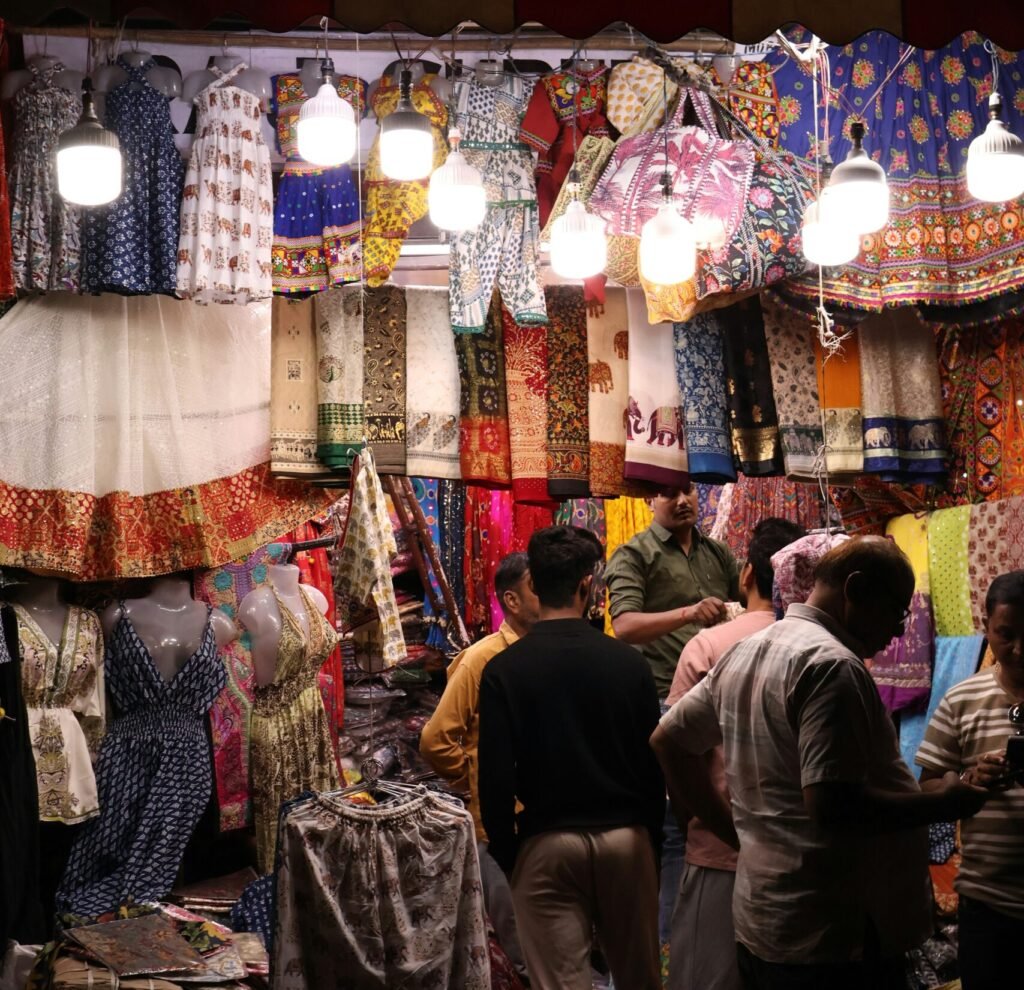
Handcrafted Textiles
The handicrafts of Jaipur are renowned across the world, and textiles are perhaps the finest example of the city’s enduring artistry. Sanganer and Bagru block-printed fabrics are made with traditional wooden blocks and natural dyes, each pattern telling a story of precision and patience. From light cotton scarves and stoles to richly printed bedspreads, these textiles are among the best things to buy in Jaipur for their quality and everlasting beauty.
Those with an eye for detail will find charm in lehariya and bandhani, the city’s signature tie-dye styles. These pieces, in silks and cottons, are perfect for those who prefer souvenirs that are wearable, versatile, and unmistakably Rajasthani. These textiles are one of the best things to buy in Jaipur.
Gemstones and What to Check Before You Buy
Jaipur is the world’s largest coloured gemstone cutting and polishing centre, which is the main reason the jewellery here is what it is. Emeralds, garnets, tanzanite, moonstone and Jaipur’s own kundan settings all pass through workshops in and around Johari Bazaar and Gopalji ka Rasta.
Two things are worth knowing. First, for anything above a modest price, ask for a certificate from a recognised lab such as GIA, IGI, or GJEPC, and be willing to walk away if it isn’t offered. Second, treat any offer to buy stones cheaply here to resell at a profit abroad for what it is. That approach has been run on visitors in Jaipur for decades, and the stones are invariably worth a fraction of the price paid.
Bought sensibly, gemstone jewellery is among the most durable Jaipur souvenirs there are. Bought carelessly, it is the most expensive mistake on the list.
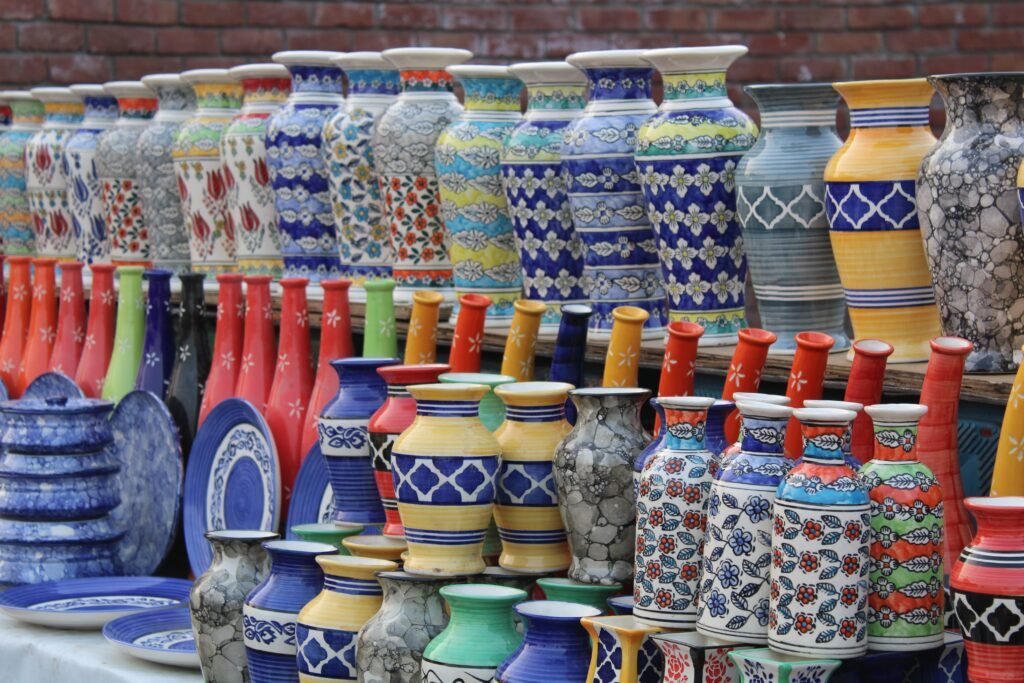
Blue Pottery: Art in Every Hue
Among Rajasthan’s most distinctive souvenirs, Jaipur’s blue pottery holds a special place. Crafted from quartz rather than clay, it carries a glossy translucence that gives each piece an ethereal glow. The motifs often draw on Persian art while remaining rooted in Indian tradition.
You’ll find everything from decorative plates and jars to delicate vases and coasters, all hand-painted in serene shades of cobalt and turquoise. Authentic blue pottery is both ornamental and practical, making it a thoughtful keepsake for your home or a tasteful gift for someone who appreciates art.
Miniature Paintings and Marble Inlay
For collectors of art, Jaipur’s miniature paintings are among the most treasured Jaipur souvenirs. The precision of brushwork, mostly done with natural pigments, captures scenes from royal courts, mythology, and daily life. Each canvas tells a story steeped in detail and devotion.
Equally captivating are marble inlay works inspired by Mughal design. Inlaid with semi-precious stones, trays, boxes, and tabletops from Jaipur’s marble artisans combine elegance with endurance. They serve as statement pieces that bring a subtle magnificence to any space.
Handcrafted Leather and Accessories
If you’re looking for something functional yet distinctly local, Jaipur’s leatherwork deserves attention. Skilled artisans here produce finely finished juttis, handbags, and journals that integrate tradition with practicality. Unpretentious embossing, vegetable dyes, and handcrafted stitching set them apart from factory-made products elsewhere.
A pair of handcrafted leather shoes or a hand-tooled travel accessory makes a stylish and lasting reminder of your visit.
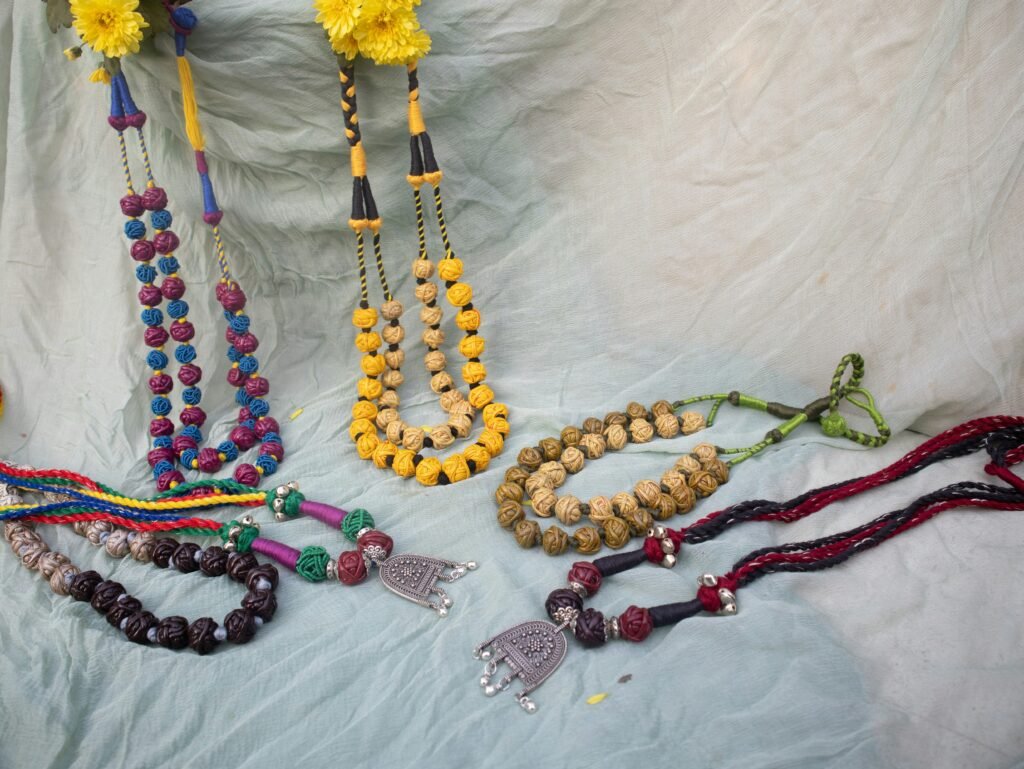
Jewellery that Speaks of Legacy
Jaipur has long been the city of jewellers. Its markets glimmer with precious stones, silver settings, and gold filigree work. Whether you are drawn to traditional kundan and meenakari or prefer more contemporary designs, the craftsmanship is always exquisite.
Johari Bazaar is known for its fine jewellery, while smaller ateliers across the city create customised pieces for those desiring something personal. A piece of Jaipur jewellery is a fragment of history, a reflection of royal patronage, and an expression of eternal style.
Where to Buy, Market by Market
Each bazaar in the old city has a speciality, and knowing which is which saves a great deal of walking.
Johari Bazaar is jewellery, gemstones and traditional Rajasthani ornaments. Bapu Bazaar covers textiles, juttis, bags and general souvenirs, and is the most tourist-facing of the lot. Tripolia Bazaar is brassware, ironwork and lac bangles, with Kishanpole Bazaar running alongside for lac work made over open flames.
Khajane Walon Ka Rasta, off Chandpole, is the marble carving lane, where inlay and statuary are cut by hand in open workshops. For blue pottery, the workshops near Sanganeri Gate and the studios carrying on the Kripal Singh Shekhawat tradition are considerably better than the tourist counters.
For textiles at source, Sanganer and Bagru sit south and west of the city, where the block printing actually happens. A half-day at either is one of the most rewarding ways to buy Jaipur handicrafts without a middleman.
Souvenirs from Rajasthan Beyond Jaipur
If Jaipur is one stop on a longer route, it helps to know what each city does best so you don’t buy the same thing twice.
Jodhpur is the place for antique and reproduction furniture, lacquer bangles and the tie-dyed bandhej the region is named for. Udaipur has miniature painting on marble and silk, and the finest pichwai work. Bikaner is known for usta art, camel-hide gilding found nowhere else, and leatherwork. Jaisalmer carries mirrorwork embroidery and patchwork.
Jaipur’s strengths are gemstones, blue pottery, hand block printing , and meenakari enamel. Buying souvenirs from Rajasthan sensibly means letting each city do what it is best at rather than picking up a version of everything in the first bazaar you reach.
If Jaipur is your only stop, most of these are available here, though usually at a markup and rarely from the maker.
Shopping for Authentic Jaipur Souvenirs
Shopping in Jaipur is more than a transaction; it is a sensory experience. The vibrant energy of Bapu Bazaar, the elegance of boutiques hidden in old havelis, and the personalised service in smaller artisan shops together create a world where craftsmanship is revered.
Unlike mass-produced mementoes, the best Jaipur souvenirs are those made slowly, by hands that understand tradition. When you choose these creations, you take home not only an object but also become part of a story that thrives through your appreciation.
Prices, Bargaining and Spotting the Real Thing
Bargaining is expected in the bazaars and inappropriate in fixed-price boutiques, government emporia and artisan studios that display rates. In markets, opening quotes to visitors typically run well above the local price, and settling around two-thirds is normal without any unpleasantness.
Distinguishing between hand block print and screen print is the most useful skill to learn. On a genuine block print, look at the reverse: the dye penetrates the cloth rather than sitting on the surface, and the registration between colours is very slightly imperfect where the blocks were placed by hand. Perfectly aligned, sharply edged repeats on stiff fabric are screen printed.
Blue pottery should feel lighter than it looks, because it is made from quartz rather than clay, and hand painting shows faint brush variation between pieces. For miniature paintings, ask what the pigments are. Natural mineral pigments and a squirrel hair brush cost more and last longer than poster colour on machine-made paper.
Where Heritage Meets Hospitality
After a day of exploring the city’s markets and ateliers, retreat to a space that mirrors Jaipur’s heritage with grace. Dera Mandawa, a heritage stay in Jaipur, proposes an experience that feels both personal and authentic. With private courtyards and beautifully preserved architecture, the property embodies the same craftsmanship and warmth that define the city itself.
We invite you to stay with us and experience Jaipur as it was meant to be – timeless, soulful, and beautifully honest.
Frequently Asked Questions
What are the best Jaipur souvenirs to buy?
Some of the best Jaipur souvenirs include hand block-printed textiles, blue pottery, silver and kundan jewellery, miniature paintings, and handcrafted leather goods. Each item reflects the city’s timeless artistry and craftsmanship.
Where can I find authentic handicrafts of Jaipur?
You can find authentic Jaipur handicrafts in markets such as Johari Bazaar, Bapu Bazaar, and Tripolia Bazaar, as well as in curated boutiques and artisan studios. Choosing local cooperatives ensures your purchase supports traditional craftsmanship.
What makes Rajasthani souvenirs so special?
Rajasthani souvenirs are renowned for their vibrant colours, intricate detailing, and connection to local heritage. Whether it’s textiles, pottery, or jewellery, each piece tells a story of artistry passed down through generations.
What are the best things to buy in Jaipur for gifting?
The best gifts to buy in Jaipur include hand-painted blue pottery, embroidered stoles, gemstone jewellery, and miniature art. These items combine aesthetic beauty with cultural authenticity.
Is shopping in Jaipur expensive?
Shopping in Jaipur presents a wide range of options, from affordable handloom markets to high-end design boutiques. The value lies in craftsmanship, so even simple items carry a sense of artistry and cultural worth.
How can I tell if a souvenir in Jaipur is handmade?
Handmade pieces usually display slight variations in colour, pattern, or texture, which add to their charm. Look for artisan stamps, hand-painted details, and natural imperfections that distinguish authentic work from mass-produced goods.
When is the best time of day to shop?
Mid-morning, once the shutters are properly up and before the afternoon heat. Most bazaars stay open into the evening, and many close on Sundays, so plan around that. Artisan workshops in Sanganer and Bagru keep shorter, more irregular hours than the city markets.
Can I buy Jaipur souvenirs online?
Yes, many Jaipur artisans and boutique stores now offer online shopping. However, visiting the city lets you see the craftsmanship firsthand and confirms the authenticity of the Jaipur handicrafts you buy there.
Where should I stay to be near the markets?
Anywhere inside or immediately outside the walled city keeps the main bazaars within walking distance. A heritage stay in Jaipur close to Chandpole means you can return between purchases rather than carrying everything all day, and hosts can usually point you to working artisans rather than retail counters.
What should I budget for Jaipur handicrafts shopping?
It divides roughly into three tiers. Under a thousand rupees covers block-printed cottons, lac bangles, small blue pottery pieces and spice tins. Between one and five thousand rupees, you can get a good quilted razai, larger pottery, meenakari work, and silver jewellery. Above that, you are into gemstones, marble inlay, antique textiles and commissioned pieces. Jaipur handicrafts shopping rewards buying one good thing rather than six adequate ones.
How do I get fragile Jaipur souvenirs home in one piece?
Blue pottery and marble are the two most likely to break. Buy from shops that routinely pack for transit, ask them to double-box, and carry smaller pieces in hand baggage rather than checking them. For anything larger, courier it and keep the invoice.
