

Most travellers associate Rajasthan with sun-baked fortresses, sprawling deserts, and the intense heat of the dry season. However, experienced explorers know that the desert landscape undergoes a breathtaking transformation when the clouds finally roll in. Experiencing Jaipur in monsoon gives you a completely different perspective on the capital, turning the city’s famous dusty rose hues into a vibrant contrast against sudden, deep emerald hills.
The sweltering summer heat gives way to petrichor, cool breezes, and a dramatic sky that seems to lift the entire mood of the city. If you think the capital of Rajasthan is beautiful in the winter, you have yet to see it washed clean by the seasonal rains. The architecture seems sharper, the gardens bloom with manicured intensity, and the surrounding wilderness comes alive.
To help you navigate this magical season, we have compiled a list of the most spectacular locations where the changing weather completely rewrites the visual narrative.
Why Jaipur in Monsoon Changes Everything for Travellers
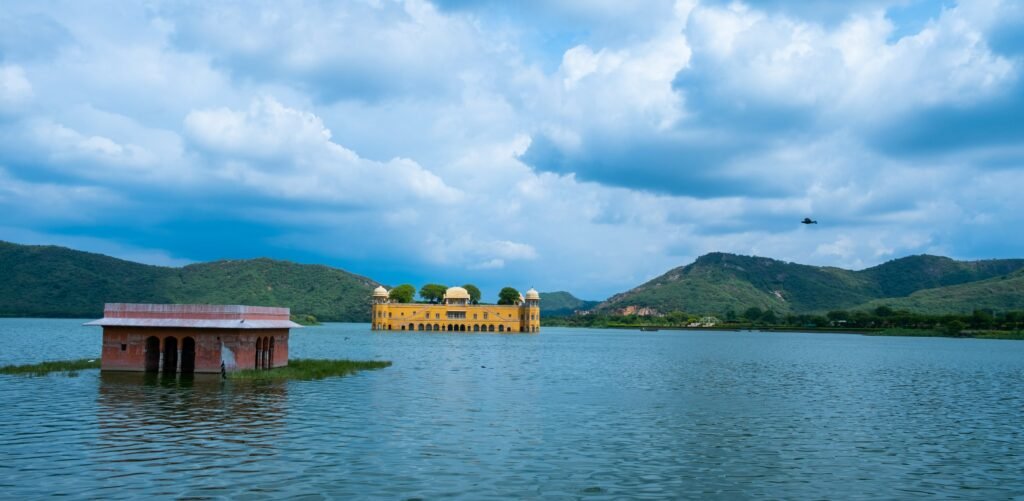
When the rainy season hits, the region’s geography works a distinctive kind of magic. The ancient Aravalli hills that cradle the city act as barriers for the clouds, trapping low-hanging mist over the ramparts of old fortresses. It is a sight that turns rugged military architecture into something out of a romantic fairytale.
For anyone planning a monsoon travel escape, mapping out the best vantage points is essential. The transformation is not just subtle; it completely alters how you photograph and experience the city. Here are six viewpoints that look entirely different under the monsoon sky. Beyond these viewpoints, the season also brings lower crowds, cooler weather, and cultural celebrations like Teej. Our detailed guide to Monsoon in Jaipur covers everything you need to know before planning a visit.
1. Nahargarh Fort
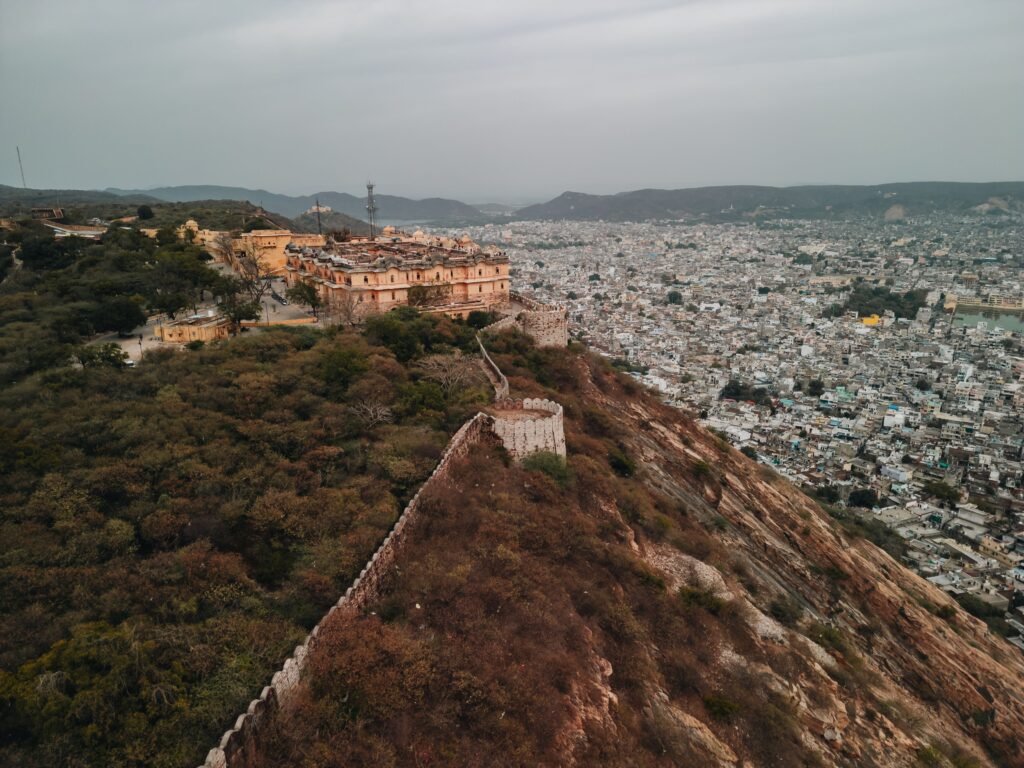
Located on the edge of the hills, Nahargarh Fort presents the most expansive view of the entire urban spread. During the summer, looking down from this height reveals a hazy, shimmering city grid. When the rains arrive, the atmosphere clears completely, showing crisp, long-distance views that stretch right across the plains.
The real charm of Nahargarh during the rains lies in the journey up the winding hills. Clouds drift through the fort’s open courtyards, obscuring the valley below before parting to reveal a freshly washed panoramic view. It is the perfect spot to watch the rainstorms move across the city grid while sipping a hot cup of masala chai.
2. Jal Mahal and Mansagar Lake
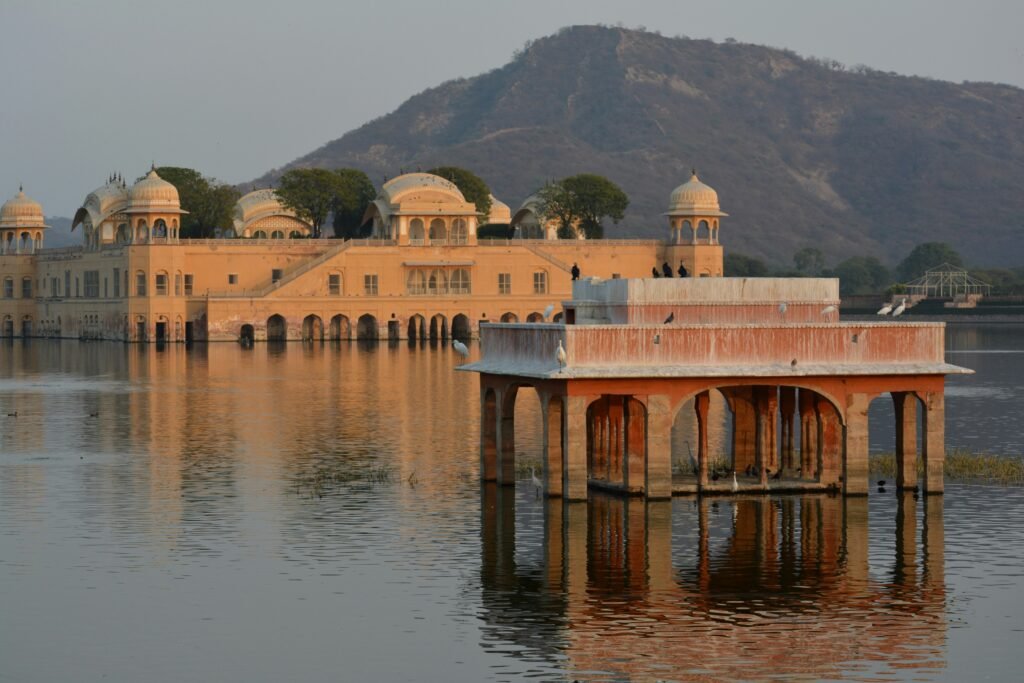
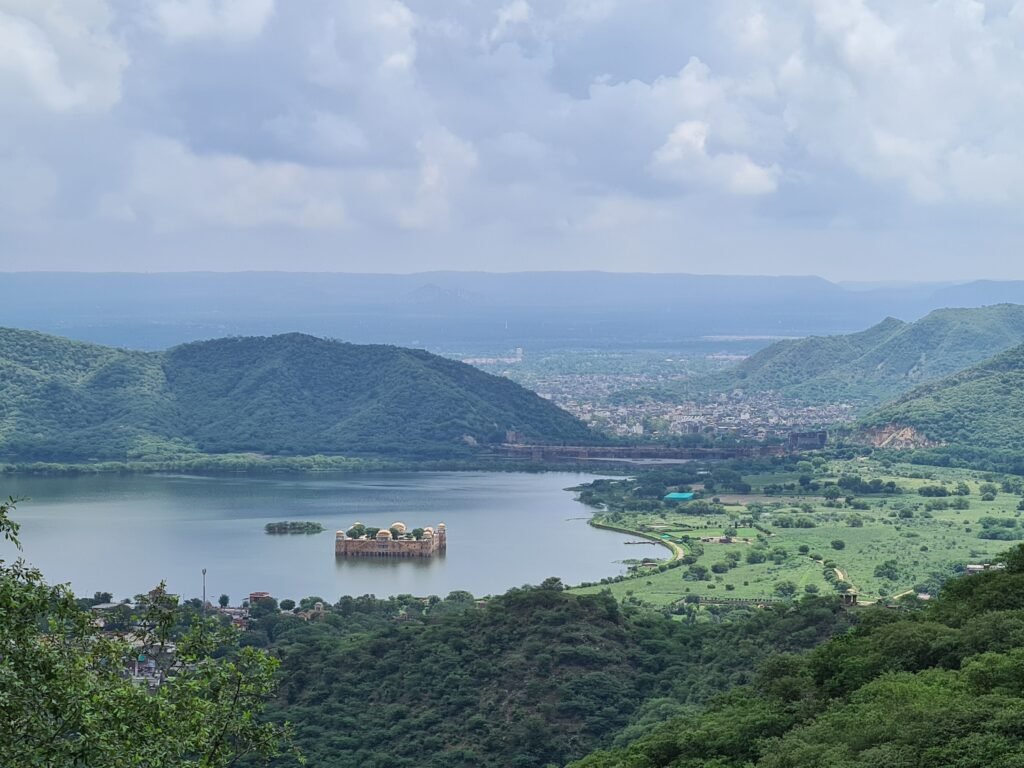
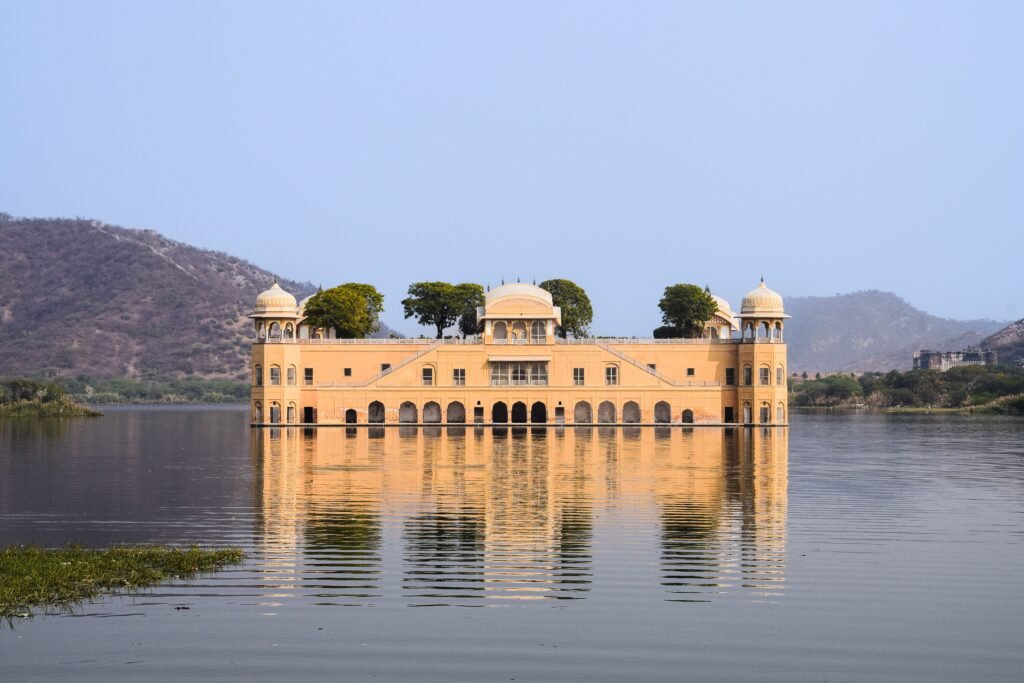
Jal Mahal is beautiful at any time of year, but it can look a little isolated during the dry months when the water levels of Mansagar Lake drop. The monsoon completely restores this landmark to its proper glory. As the lake fills up, the low palace appears to float seamlessly on a vast sheet of glass.
The dark, moody monsoon clouds provide a dramatic backdrop that makes the yellow sandstone of the palace pop with incredible intensity. The surrounding hills, which form a natural amphitheatre behind the water, turn a brilliant shade of green, making this one of the most picturesque spots for photography enthusiasts.
3. Amer Fort and Maota Lake
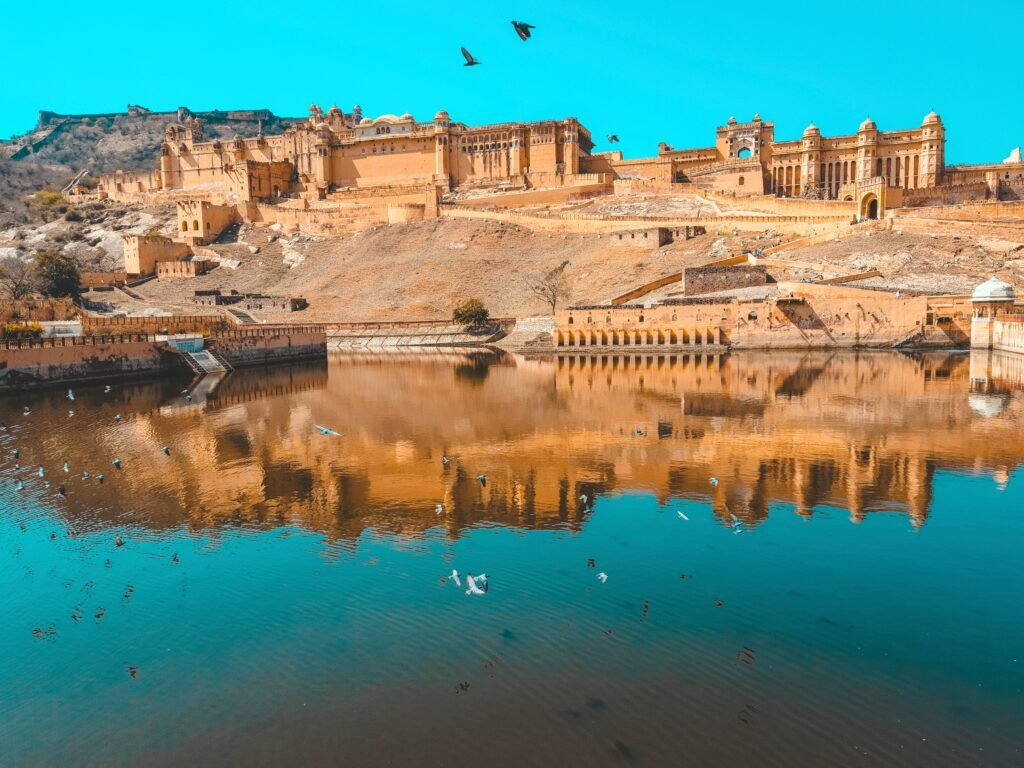
Amer Fort is the crown jewel of Rajasthan tourism, drawing thousands of visitors to its grand courtyards every day. In the dry season, the landscape can feel imposing and stark. When the rain arrives, the entire valley softens.
Maota Lake, which sits at the base of the fort, fills to the brim and creates a mirror-perfect reflection of the massive fortifications above. The saffron gardens built into the lake take on a lush, vivid quality. Walking up the stone ramparts with a light breeze carrying the scent of rain makes the steep climb feel effortless compared to the summer months.
4. Jaigarh Fort
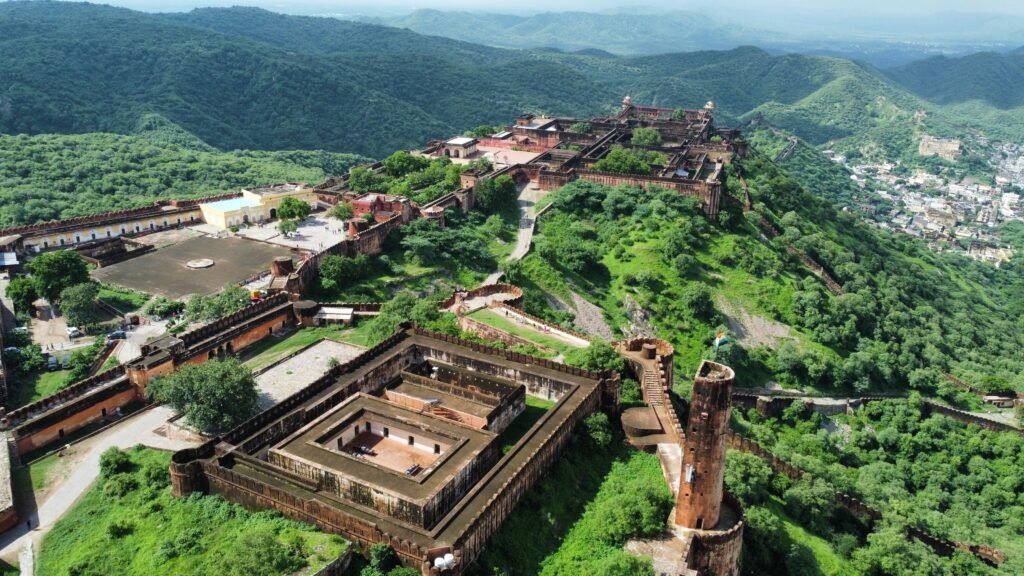
Often overshadowed by its neighbour, Amer, Jaigarh Fort offers a much more rugged, raw experience. Known as the Fort of Victory, it houses the world’s largest cannon on wheels, but during the wet months, the real attraction is the view from the highest watchtowers.
From Jaigarh, you can look down onto the geometric patterns of the fields and the ancient water-harvesting channels that run along the hillsides. The monsoon highlights the incredible engineering of these centuries-old channels as they guide rainwater into the fort reservoirs. The surrounding forest reserve becomes a dense canopy, presenting a glimpse into the wild side of the Pink City that most tourists miss.
5. Sagar Lake
Tucked away behind the tourist tracks of Amer lies Sagar, a hidden twin-lake system that many travellers overlook entirely. During the winter and summer, it is a quiet, dry basin. During the rains, it transforms into an emerald sanctuary.
The water levels rise, submerging the lower steps of the old stone ghats, creating a serene, melancholic beauty. Because it is less frequented by typical tourist crowds, it remains a peaceful haven where you can hear peacocks calling across the water. It provides an ideal pause in any travel itinerary for those who prefer calm contemplation over bustling sightseeing.
6. Sisodia Rani ka Bagh
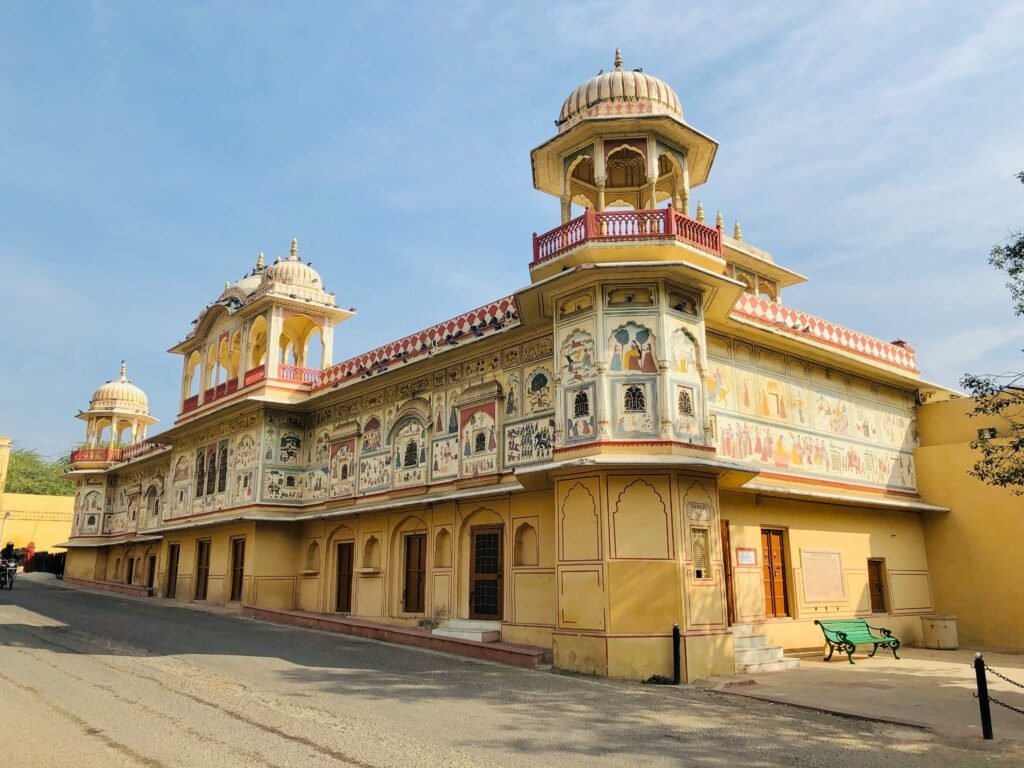
Located outside the main city walls on the Agra highway, this terraced garden palace was built for a royal queen who longed for nature. The multi-layered gardens are designed with natural water springs, fountains, and painted pavilions that depict scenes of rain and romance.
While modern fountains can feel artificial, the monsoon beautifully activates the natural water features of this valley garden. The rain brings out the resonant greens of the old trees and washes the historic frescoes, making the royal murals look as vibrant as the day they were painted. It feels like stepping into a living painting, away from the concrete paths of the modern town.
Monsoon in Jaipur is about more than mist-covered forts and dramatic viewpoints. The season also coincides with the arrival of Teej, one of Rajasthan’s most celebrated festivals. Decorated processions, traditional music, and festive markets bring a unique energy to the Pink City. If you are planning your trip around the season, our guide to the Teej Festival in Jaipur explains how to experience the celebrations and their cultural significance.
Embracing the Local Culture from a Royal Sanctuary
Exploring these rain-washed viewpoints is an incredible experience, but the key to a truly memorable monsoon trip lies in where you return to dry your feet. To truly appreciate the romanticism of the season, you need a base that reflects the soul of the region.
This season invites you to slow down, read a book in a hushed courtyard, and watch the rain drip from hand-carved stone arches. It’s that time of the year that demands an authentic atmosphere rather than sterile modern luxury. This is the perfect time to immerse yourself in the region’s living history by staying in a traditional property that has witnessed centuries of these seasonal transformations.
If you are looking for an authentic, soulful base for your rainy-season adventure, look no further than Dera Mandawa. Our boutique property is a beautifully preserved heritage haveli in Jaipur that effortlessly blends old-world Rajasthani architecture with warm, family-run hospitality.
We believe that travel should be a slow, meaningful immersion into the local culture. Our breezy verandas, rain-drenched courtyards, and beautifully appointed suites offer the ultimate sanctuary after a day spent exploring the misty forts of the Aravallis. Guests can savour traditional seasonal delicacies, participate in interactive cooking sessions, or simply relax as the afternoon showers pass over our historic estate, experiencing a level of boutique luxury that feels like a home away from home.
Allow us to help you discover a completely different side of Rajasthan this season. Contact us today to book your monsoon stay or to customise your experiential itinerary.
