

Jaipur’s tourist season is built around avoiding the weather. From October to March, the city fills, the tariffs climb, and the queues at the forts spill out of their gates. Then the rains arrive in early July and empty the place, which is strange, because the monsoon in Jaipur is when the city is at its most likeable. The season runs to September, turns the Aravalli hills green, fills the lakes, halves the room rates and brings Jaipur its most exuberant festival. It remains the window that almost nobody books.
The practical objection is weaker than it looks. Rain here tends to appear late in the day; the mornings stay reliably open for sightseeing, and daytime temperatures settle in the low thirties after the punishment of May and June. Hotels drop their tariff through these months on the assumption that nobody is coming, and the few who do find a comfortable, inexpensive and very green version of the city.
What the monsoon in Jaipur feels like
Hills that have been brown since February turn lush green within a fortnight of the first showers and the terracotta of the old city looks more resonant against them. The air carries the smell of rain on hot stone, the chai stalls do brisk business and the peacocks call before every rainshower with the reliability of a weather service.
Jal Mahal makes the best single argument for the season. For a considerable part of the year, the water palace sits in a lake that has receded to a pond. By August, Man Sagar has filled again, the water is back at the palace arches, and in the evenings, the promenade draws local families and bhutta sellers while the palace floats the way the miniature paintings (appearing all over the city) always insisted it did.
Teej, when the rain gets its own parade
In Shravan, the Hindu month falling in late July or August, the city throws a rain festival of its own. Hariyali Teej festival officially honours the union of Shiva and Parvati. Unofficially, it is two days of Jaipur in its best green, with swings hung in courtyards and from old trees, mehendi on every second pair of hands, and lehariya everywhere, the rippling tie-dye this region invented to put the monsoon on cloth. In the evenings, women gather on the swings and sing the old Teej songs about rain and homecoming, and for a fortnight, the whole city hums them.
The idol of Teej Mata leaves the City Palace in a gilded palanquin and is walked through Tripolia Bazaar with drummers, dancers, decorated elephants and a crowd packed shoulder to shoulder in the wet. The procession is old, royal and gloriously loud. It also falls in the exact weeks visitors are told to avoid, which has never made any sense to us.
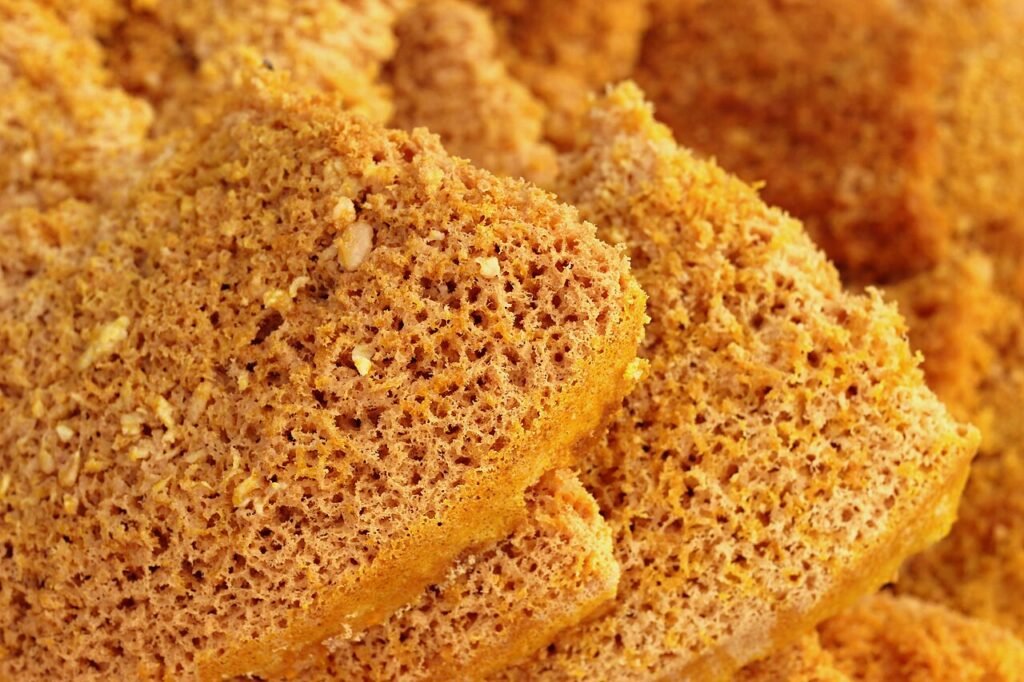
The season has its own sweet as well. Ghevar is a disc of fried batter with the texture of a honeycomb, soaked in syrup and topped with rabri or malai, and it is sold for roughly eight weeks a year, which is the correct way to run a dessert. Around Teej, the queues outside the mithai shops of Johari Bazaar grow long, and a warm ghevar eaten in rain-cooled air makes a better case for a monsoon visit than any brochure could.
Things to do in Jaipur when the rains arrive
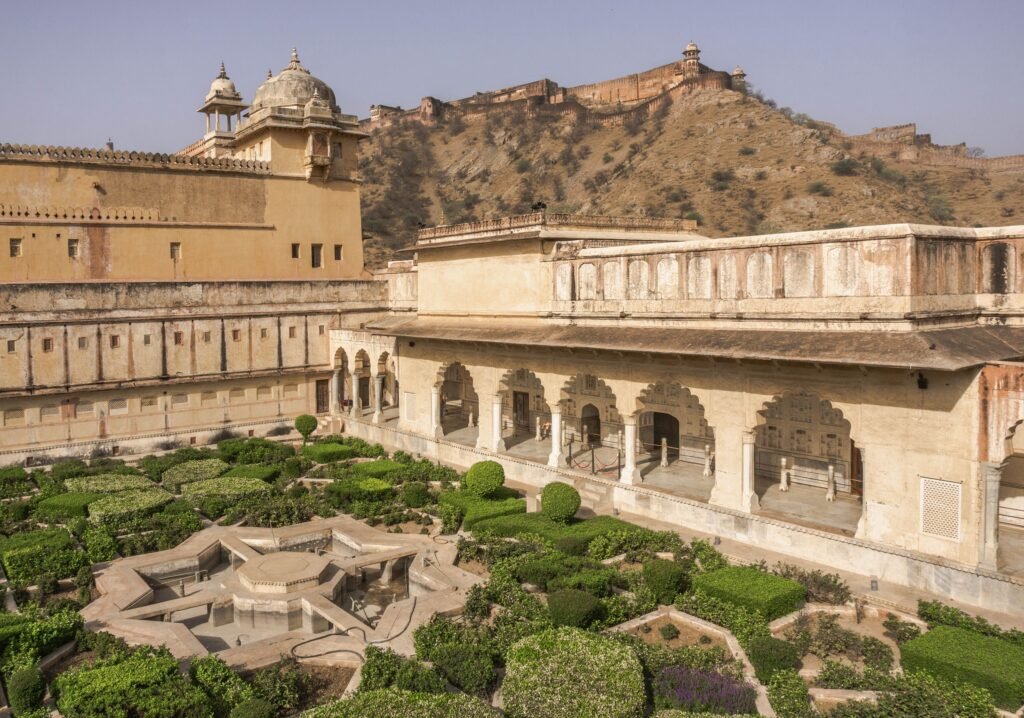
Most lists of things to do in Jaipur are written with the winter crowds in mind, and they run long. The monsoon simplifies the schedule on its own. Forts and walks belong to the morning, since the showers hold off until evening more days than not, and Amber Fort at opening time, with Maota Lake full below its ramparts, is worth the early alarm. Afternoons suit a long lunch, the covered bazaars, or nothing in particular. Evenings belong to the rooftops, where the weather can be watched arriving from twenty kilometres out, and where whatever got skipped can be moved to tomorrow without guilt.
August does occasionally overdo it. A street floods for an hour, an afternoon is lost, and the city orders more chai and waits it out. With a comfortable base in the old city, close to everything, a heavy spell costs nothing worse than a longer lunch. The standard roundups of places to visit in Rajasthan still treat the state as a winter destination with a heatstroke problem. Between July and September, Jaipur makes a persuasive case to the contrary.
The best seat in the house
We have watched this season from the same courtyard since 1885. At Dera Mandawa, our family home and a heritage haveli in Jaipur, the first downpour drums on the courtyard stone and the bougainvillaea goes on dripping for hours after the sky has finished. The smell of wet earth gets into everything here, including the kitchen, which leans happily into the season and its hot, crisp demands. Breakfast moves under the arcade when the rain is loud, and our terrace gives the best view in the house of the weather rolling in over the old city. When Teej comes, the procession passes through the bazaars, a short walk from our gate. Guests can follow the drums home.
So come in the rain. Few people do, which is most of the point, and the Pink City keeps its best colours for those who turn up to see them.
Planning a monsoon stay? Get in touch and book with us at Dera Mandawa.
