

Travel today often turns into a checklist of places to see and photos to take, leaving little time to pause and connect truly. Slow travel in Jaipur, however, offers something more noteworthy. It invites you to stay longer, breathe deeper, and experience a destination in its natural rhythm. In a city as layered and storied as Jaipur, embracing this way of travelling can remake your journey into something memorable, turning a quick visit into a genuine relationship with the place.
For many travellers, slow travel in Jaipur begins the moment they choose where to stay. A Jaipur heritage stay sets the tone for everything that follows, shaping how you move through the city and how much you absorb rather than simply observe.
Choosing to Slow Down in Jaipur
Known as the Pink City, Jaipur is often associated with grand forts, lively bazaars, and striking palaces. While these are certainly worth exploring, slow travel reminds us to seek the city’s essence beyond its main sights. It is in conversations with locals, leisurely walks through quiet alleys, and appreciation of daily rituals that one uncovers the true Jaipur.
Jaipur’s historic walled city is recognised by UNESCO for its distinctive urban planning, traditional bazaars, havelis and enduring craft culture.
A stay in a Jaipur palace is an ideal way to ground the experience. Instead of rushing from monument to monument, you can base yourself in a setting that mirrors the city’s cultural and architectural spirit. The palace walls, courtyards, and verandas become part of your story, adding depth and continuity to your travels. This is the foundation of experiential travel in Jaipur: letting the place shape your days instead of forcing your days onto the place.
Slow Tourism in Jaipur: How It Differs From Just Staying Longer
Booking five nights instead of three is not slow travel. Plenty of people stay a week and still see the city through a car window, from one monument to the next. Slow tourism in Jaipur is a set of structural decisions, not a matter of duration.
Four of them matter most. Keep to one neighbourhood a day, so walking replaces driving, and the same faces start recognising you. Cap yourself at a single major sight, which sounds restrictive until you have spent two unhurried hours somewhere instead of forty rushed minutes. Leave afternoons deliberately empty, because everything worth finding turns up in unplanned hours. And go back to places you liked at a different time of day rather than adding new ones.
That last habit is the one most people skip and the one that changes everything. Johari Bazaar at nine in the morning and Johari Bazaar at seven in the evening are two different places, and seeing both teaches you more than a second bazaar would.
Staying in a Living Heritage
Unlike large hotels that can feel detached from their setting, heritage stays let you step into living history. Dera Mandawa is one such place where time seems to lengthen gently. Built as a family home and lovingly restored, it balances old-world charm with thoughtful hospitality. Each corner tells a story, whether through intricate frescoes, traditional Rajasthani décor, or quiet courtyards filled with flowering trees.
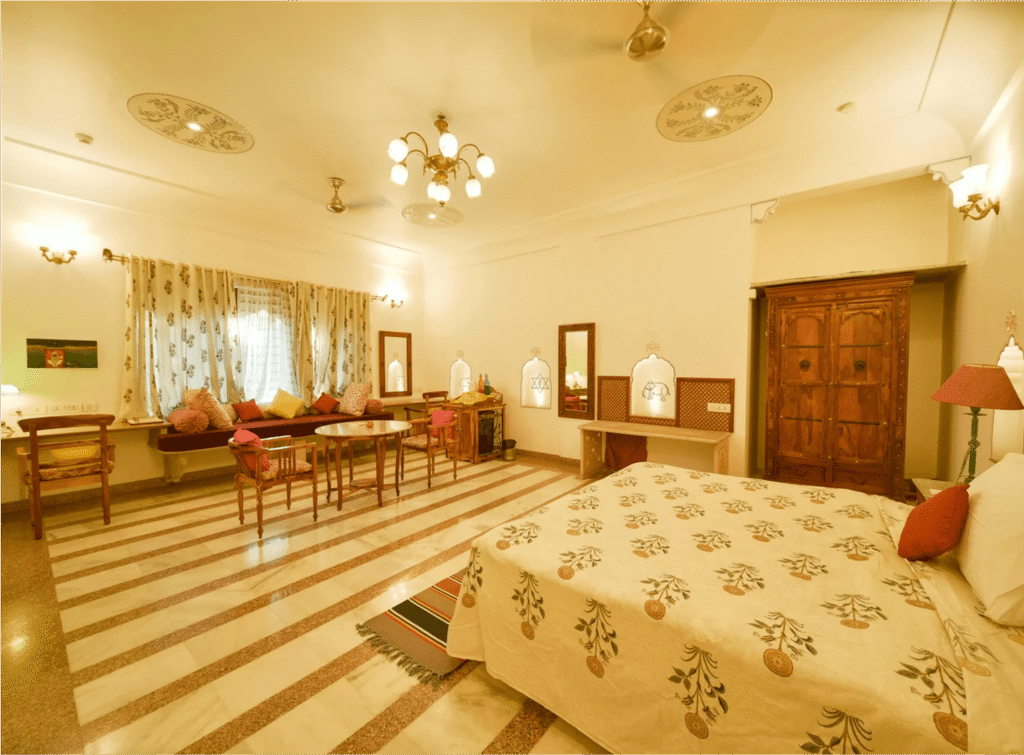
This sense of continuity makes a stay in a Jaipur haveli feel more than just a holiday. It becomes a way of life, where mornings begin with a comfortable breakfast in the courtyard, afternoons evolve with leisurely explorations, and evenings are reserved for conversations over local cuisine.
What Slow Travel in Jaipur Looks Like Day to Day
Slow travel is easiest to understand through its small moments rather than its big ideas. A morning might open with the sound of temple bells drifting over the haveli walls, followed by a relaxed breakfast rather than a rushed one before a packed itinerary. Afternoons could be spent learning the delicate rhythm of saree and safa tying, a tradition that says as much about Rajasthani identity as any monument does.
Evenings lend themselves naturally to slower pleasures too. A gourmet session at Dera Mandawa turns dinner into a lesson in regional flavour and family recipes. At the same time, festival season might bring the joy of kite flying in Jaipur from a rooftop terrace, watching the sky fill with colour. None of these experiences demands a strict schedule. They simply ask for your time and attention, which is the entire premise of slow travel in Jaipur.
Embracing Slow Travel in Jaipur
Slow travel in Jaipur means shifting your focus from how many places you see to the depth of each encounter. You can spend an afternoon learning a traditional craft from local artisans, or wander through the old city markets with time to savour the colours and aromas. Watching a block printer at work or sipping chai while listening to shopkeepers’ stories offers insights no guidebook can provide.
Back at Dera Mandawa, you can join experiences designed to connect you with the local culture. Cook alongside the family to learn the nuances of Rajasthani recipes, or sit in the shaded courtyards listening to tales of this city’s regal past. In a world that continually rushes forward, such moments of pause bring balance and perspective.
Why a Palace Stay Matters
For travellers seeking a stronger connection, where you stay matters as much as what you see. Staying in a Jaipur palace heritage accommodation offers both comfort and historical context. Unlike standard hotels, the atmosphere of such a place aligns with the spirit of the city. You are not merely a visitor passing through but a guest sharing in a legacy.
Dera Mandawa’s ethos of hospitality extends beyond service. It is about making you feel at home, while still offering the grandeur and grace of a bygone era. This thoughtful approach makes it a heritage haveli worth choosing for those who value authenticity over haste.
Best Places to Experience Jaipur Slowly
Some of Jaipur’s most iconic sights reward a slower approach far more than a rushed one. Watching the golden light settle over Amer Fort at dusk, once the day trip crowds have thinned, reveals a completely different mood than a midday visit. Similarly, an early morning look at Hawa Mahal, before the street below fills with traffic, lets its honeycomb facade catch the first light in relative quiet.
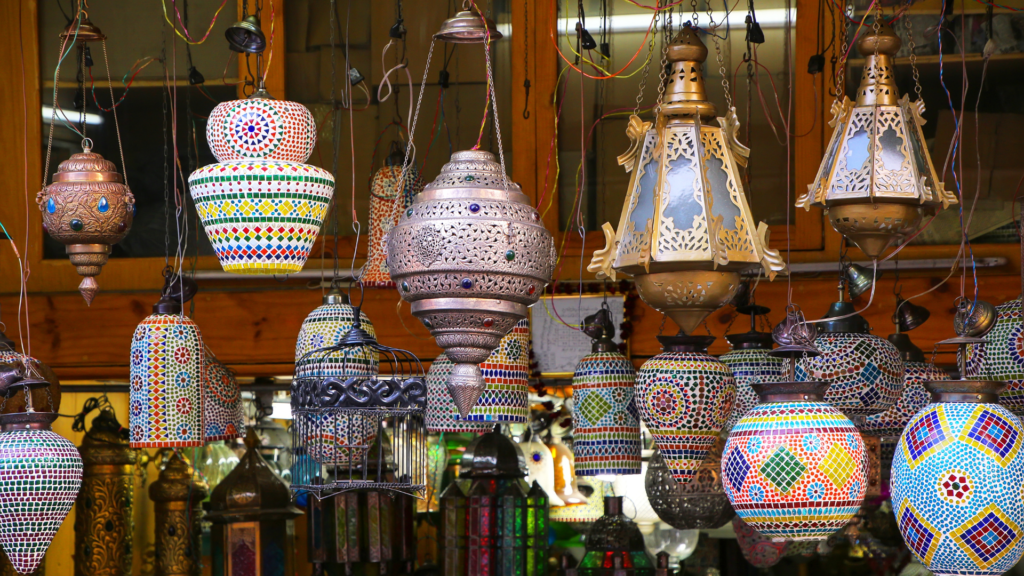
Johari Bazaar deserves unhurried time, too. The rustle of silk saris, the clink of jewellery being weighed, and the calls of shopkeepers are all part of an experience that a quick photo stop simply cannot capture. Slow travel in Jaipur often means returning to the same places at different hours, rather than seeing every place once.
A Four-Day Jaipur Slow Itinerary
Four days is usually the minimum a city needs to breathe, and it is the length most people planning slow travel in Jaipur end up settling on. Day one is for arrival and nothing else: settle into the haveli, walk to Chandpole Gate in the late afternoon, and eat in the courtyard. Day two takes Amer Fort early, before the coaches arrive, then leaves the rest of the afternoon free.
Day three belongs to the walled city on foot: Johari Bazaar and Tripolia Bazaar, with no fixed route or return time. Day four is deliberately unplanned, kept for whatever you found on days two and three and want to see again. Most itineraries fail because they leave no room for the return visit, which is where slow travel in Jaipur actually happens. If you have a fifth day, spend it on a craft workshop or a cooking session rather than adding another monument.
The flower market outside Chandpole is worth setting an alarm for. Traders begin laying out marigold and rose garlands well before sunrise, and the whole operation is finished by the time most visitors have had breakfast. It is not a monument, and there is no ticket, which is exactly why it rewards the kind of unhurried travel Jaipur responds to best.
The Gift of Time
Slow travel teaches us that journeys are not measured in miles but in moments. When you allow yourself to rest and truly observe, Jaipur reveals itself in unexpected ways. The flutter of pigeons across Hawa Mahal, the rustle of silk saris in Johari Bazaar, or the golden light bathing Amer Fort at dusk feel more vivid when you are not rushing to the next stop.
Staying at a traditional heritage haveli in Jaipur that encourages this pace enriches your experience further. The art of slow travel is not only about what you see, but how you feel. In places like Dera Mandawa, you find the space to reflect, reconnect, and carry memories that last far beyond the journey itself.
Your Invitation
Jaipur is a city best enjoyed slowly. Choosing a stay that mirrors its history and hospitality allows you to experience it with greater depth and warmth. At Dera Mandawa, every detail invites you to embrace the art of slow travel, where each day is less about ticking boxes and more about creating lasting impressions.
If you are ready to discover Jaipur in its most authentic spirit, we welcome you to begin your journey with us.
Frequently Asked Questions
What is slow travel in Jaipur?
Slow travel in Jaipur means spending unhurried time in the city, focusing on culture, local life, and fewer destinations rather than a packed sightseeing checklist.
Why choose slow travel over a typical Jaipur tour?
It allows a deeper connection with the city’s culture and people, rather than rushing between monuments without truly experiencing any of them.
What is the best way to experience Jaipur slowly?
Base yourself at a heritage stay, limit your daily plans, and leave room for spontaneous conversations, walks, and local experiences.
Where can I stay for an authentic Jaipur heritage stay?
Dera Mandawa offers a restored family haveli setting that blends traditional Rajasthani hospitality with the comfort needed for a relaxed, immersive stay.
How many days are ideal for slow travel in Jaipur?
Four to five days allow enough time to explore major sights unhurriedly while also leaving space for local experiences and simple rest.
What local experiences suit slow travel in Jaipur?
Cooking sessions, saree and safa tying, block printing demonstrations, and quiet courtyard conversations all fit naturally into a slower pace.
Is a palace stay in Jaipur worth it for slow travel?
Yes, a palace or haveli stay adds historical context and atmosphere that standard hotels cannot offer, making the destination feel lived in rather than visited.
What makes Dera Mandawa ideal for slow travel in Jaipur?
Its family-run heritage setting, personal hospitality, and curated cultural experiences encourage guests to settle in rather than simply pass through.
What is the best time of year for slow travel in Jaipur?
October to March offers the most comfortable weather for leisurely walks, courtyard mornings, and extended outdoor exploration.
How is slow travel different from regular sightseeing in Jaipur?
Regular sightseeing focuses on covering attractions quickly, while slow travel prioritises fewer places, more time, and genuine local interaction at each one.
Do I need a guide for slow travel in Jaipur?
Not for most of it. Walking the walled city, sitting in bazaars, and returning to the same corners at different hours are all better done alone or with a host who knows the area. A guide is worth hiring for Amer Fort and the City Palace, where the history genuinely needs explaining, and slow travel in Jaipur works well as a mix of both.
How do I build a Jaipur slow itinerary?
Start with fewer days planned than you have. Fix one anchor per day, an early fort or a bazaar morning, and leave the rest open. Group anchors by geography so you are not crossing the city twice. Build in at least one return visit to somewhere from an earlier day. A four day Jaipur slow itinerary with three planned anchors and one blank day usually delivers more than a packed five day plan.
Is slow travel India-wide, or particular to Jaipur?
Slow travel in India as a whole suits the approach, and it works especially well in walled cities where the historic core is compact enough to cover on foot. Jaipur, Udaipur, Ahmedabad and Varanasi all reward it. What makes slow travel in Jaipur particularly workable is that the old city grid is walkable, the bazaars run on predictable daily rhythms, and the major forts sit close enough for early starts.
