

If you have ever been told to skip Jaipur in summer, you have been handed lazy advice. The city does not shut down between April and July. It just shifts its hours. Most travellers turn up at 11 am, get hit by 42 degrees and decide the place is impossible to explore. If you want a guide to Jaipur that actually works in the warmer months, the answer is simple. Start your day five hours earlier. From around 6 am to 9 am, the Pink City is at its most beautiful, the air is cool, the light is golden, and you get the kind of access to monuments and streets that paying tourists in October will never enjoy.
Sunrise in the summer months occurs around 5.30 am and by 9 am, the heat starts to climb. That gives you a generous three- to four-hour window. Here is how to actually use it.
Why A Practical Guide To Jaipur Begins Before Sunrise
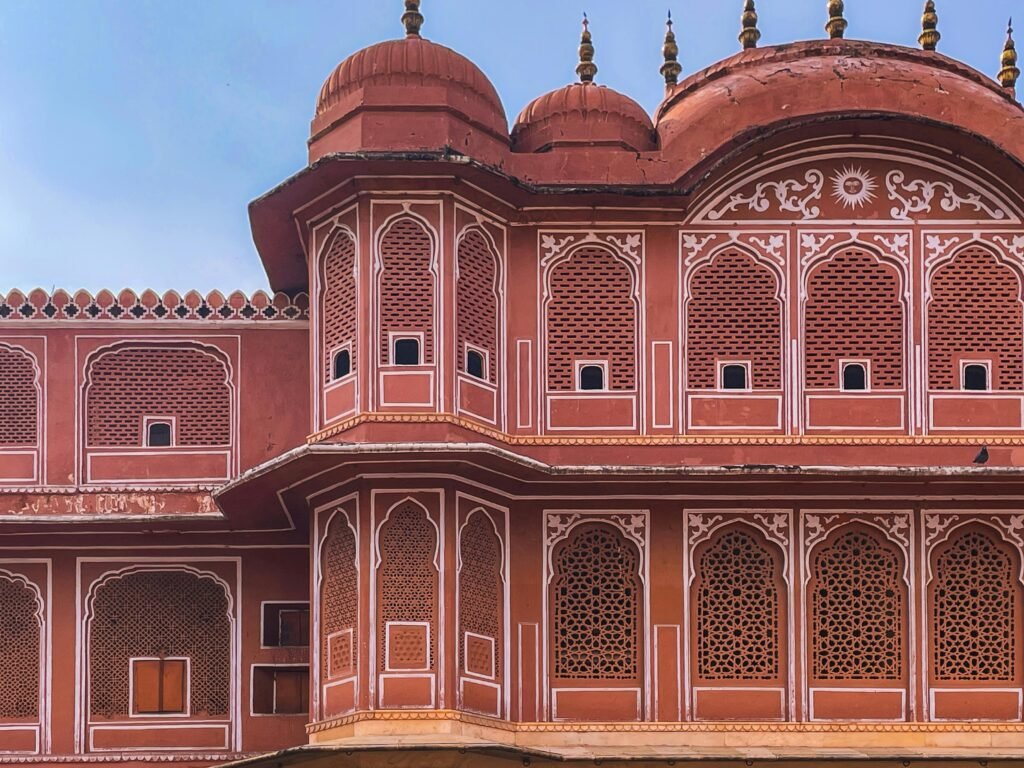
The first thing to understand is that dawn in Jaipur has its own ecosystem. The chaiwallahs are already out firing up their stoves, the temple bells are starting up, and the milkmen are doing their rounds. The city is awake but has not yet been overrun by traffic, touts and tour buses. Photographers know this, and of course, the locals know this. Most visitors do not, which is why summer is, counter-intuitively, one of the best seasons to actually see Jaipur properly. You just have to be willing to set an alarm.
The other thing is temperature. By 7 am in mid-May, you have perhaps two more hours before you start sweating. At 6 am, it can be a pleasant 28 degrees. That is t-shirt weather, not bottled-water-emergency weather.
Catch Sunrise From Nahargarh Or Galta Ji
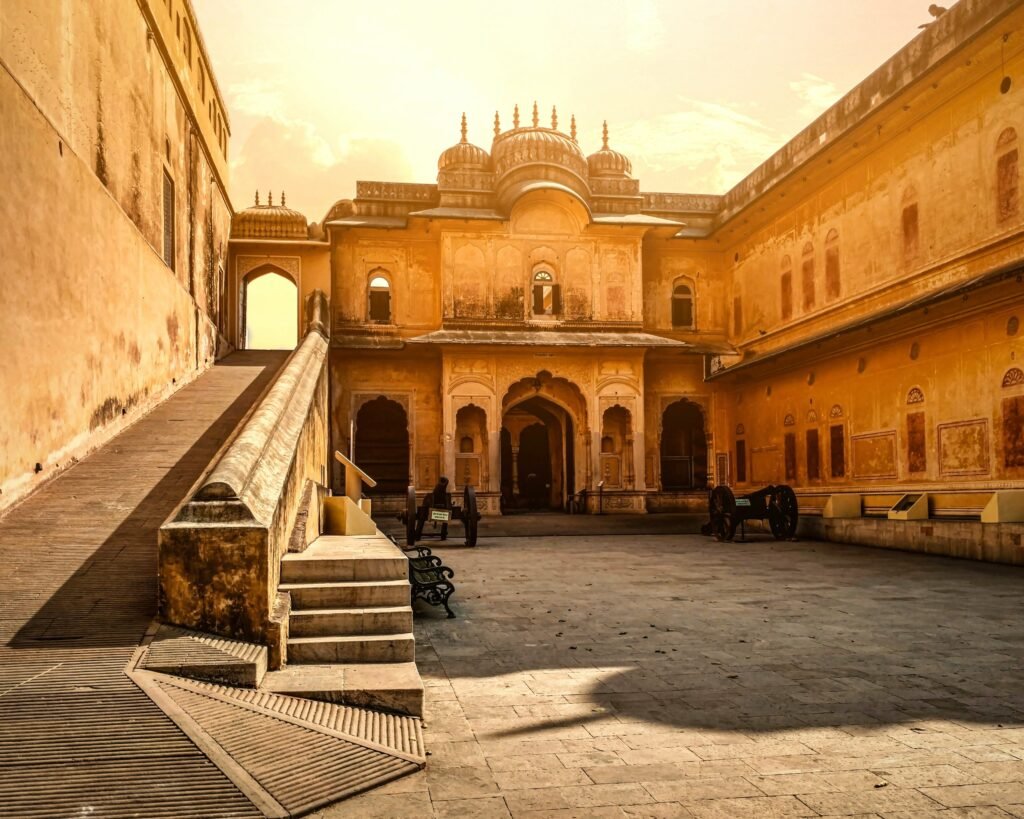
If you do only one early morning thing in Jaipur, make it a sunrise. There are two strong options.
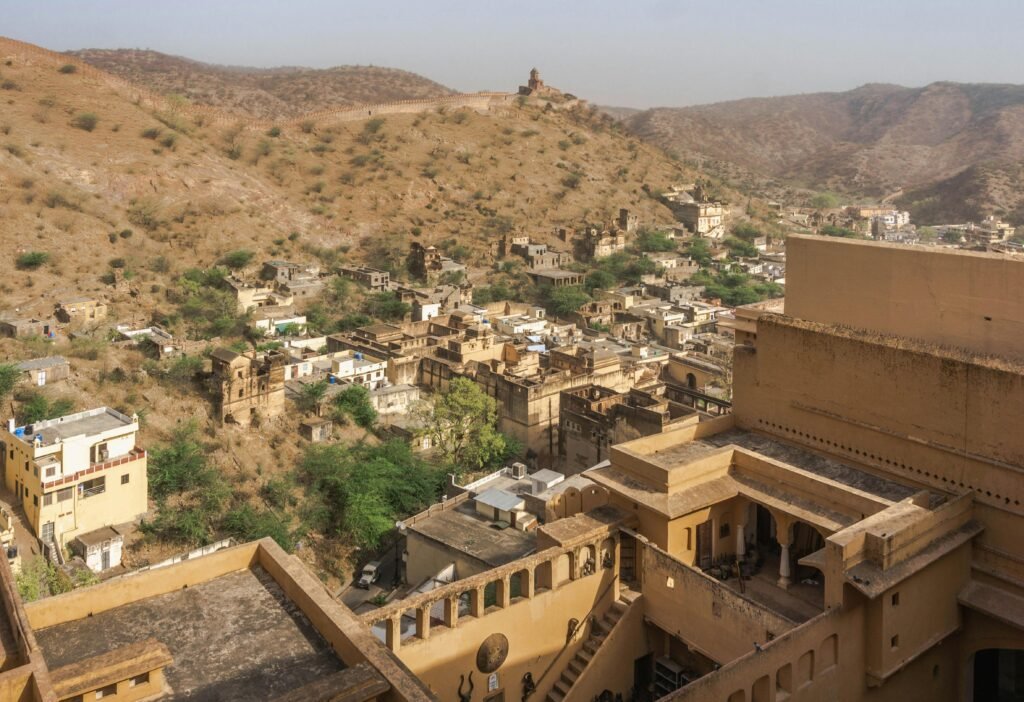
Nahargarh Fort sits on the Aravalli ridge above the city. The drive up is short, the views are vast, and watching the first light hit the pink walls of the old town from above is the kind of moment that puts the whole city in context for you. The fort itself opens to visitors later in the morning, but the road and the viewpoints around it are accessible earlier, and you can stop anywhere along the way for an uninterrupted view.
Galta Ji, also known as the Monkey Temple, is the other obvious choice. The ancient temple complex sits in a gorge in the Aravalli hills east of the city, surrounded by sacred water tanks. Pilgrims arrive at dawn for their morning bathing rituals, and the place has a slow, devotional energy that nothing later in the day can match. There are a lot of monkeys here, and they are not shy about grabbing any food they can see, so leave the snacks at your hotel. Entry is free, and the walk to the upper temples is short.
A Walk Through The Old City While It Wakes Up
Once the sun is up, the Pink City itself is the best place to walk in. The walled town was painted that famous terracotta colour by Maharaja Sawai Ram Singh II in 1876 to welcome the Prince of Wales, and at dawn, the colour is at its most striking. The streets are wide enough to wander without a plan, the shopfronts are still shuttered, and you can stand in front of Hawa Mahal without sharing the pavement with two hundred other people.
The five-storey honeycomb facade of Hawa Mahal looks completely different in low morning light than it does on postcards. The sun comes up behind the palace at this hour, so you get the building in silhouette first and then watch the pink sandstone catch the glow as the sun rises. Photographers, this is your slot.
From there, walk the bazaars. Johari Bazaar, Bapu Bazaar and Tripolia Bazaar are still mostly closed at 7 am, but the streetscape is the point. The carved gateways, lattice screens and corner buildings of the walled city are more visible without the crush of midday commerce. By 8 am, the chai stalls have opened, the kachori vendors are setting up, and you can pull up a plastic stool and eat breakfast as the locals do.
Jal Mahal And The Stepwell Detour
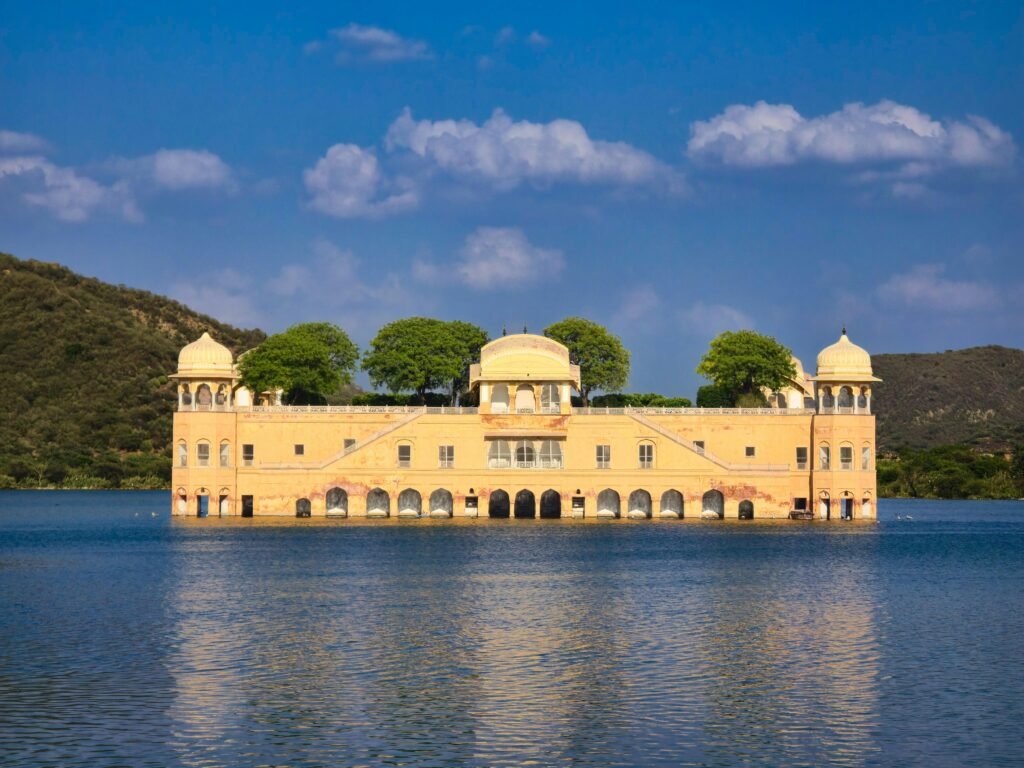
A short drive north of the old city, Jal Mahal, the so-called water palace, sits in the middle of Man Sagar Lake. The building itself is not open to the public, but the lakeside promenade is, and the view of the half-submerged palace at sunrise, with the Aravalli hills behind it, is one of the most photographed scenes in Rajasthan for good reason.
Push on a little further toward Amer, and you reach Panna Meena Ka Kund, the symmetrical stepwell with its zig-zag staircases. Early morning is one of the only windows when you will get the well largely to yourself. By mid-morning, it is a queue of Instagrammers.
Breakfast Like A Jaipurite

By 8 or 8.30 am, the Jaipur breakfast scene is in full swing. The old city is dotted with kachori and mirchi vada stalls, and the day is properly meant to start with a small steel glass of strong, sweet chai. Pyaaz kachori and dal kachori are the local staples, fried fresh and served with a sweet-spicy tamarind chutney. This is one of those city traditions that is best experienced rather than researched, and the easiest thing to do is ask the first chaiwallah you walk past where to get the best kachori within five minutes.
The answer will be specific, confident, and probably accurate.
If you would rather sit down properly, the Pink City has a long list of old breakfast restaurants serving everything from poha to South Indian filter coffee. Both work as a way to round out the morning before the heat properly arrives.
Then Retreat From The Heat
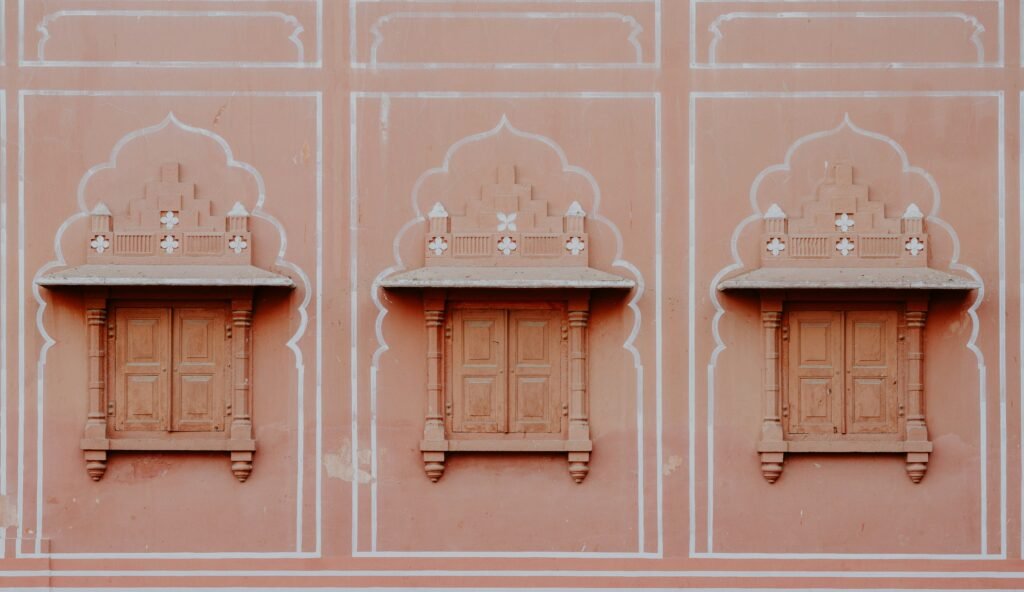
The trick to summer in Jaipur is not to fight the afternoon. You front-load the day, eat well, and disappear indoors by 10 or 11 am. With a cold drink, a thick-walled or well-insulated room and a slow lunch, you can sit out the worst of the heat and then come back out after 6 pm when the city cools down for round two.
Where you stay matters enormously for this. Being already inside the old city when the sun comes up means you are not negotiating an Uber at 6 am, which defeats the point entirely. A functioning haveli hotel in Jaipur, like Dera Mandawa, puts you inside the walled town and a short walk from most of the morning rituals described above. Step out at dawn, climb a fort, drink the chai, and be back before the heat properly reaches. That is how summer in Jaipur is meant to be done.
