

Travelling often becomes most cherished through the tastes and aromas we encounter along the way. In Jaipur, food is far more than sustenance. It is a living expression of tradition, family recipes, and a culture deeply rooted in hospitality. Our gourmet Rajasthani cooking sessions in Jaipur offer far more than recipes. At Dera Mandawa, guests step into a family kitchen to learn traditional Rajasthani cooking recipes passed down through generations, making every session a memorable cultural experience.
More than a culinary activity, the experience reflects the philosophy that defines some of the best hotels in Jaipur – offering travellers meaningful connections with place, people, and culture rather than simply a place to stay.
Traditional Rajasthani cooking as a Cultural Exchange
Food has always been central to Rajasthani hospitality. From the royal kitchens of the past to the family courtyards of today, every dish is a reflection of generosity and care. For us, sharing these recipes with our guests is not just about teaching a method; it’s about exchanging stories and traditions. This is what makes a cultural food experience in Jaipur so exceptional: it connects the traveller directly with the city’s living heritage.
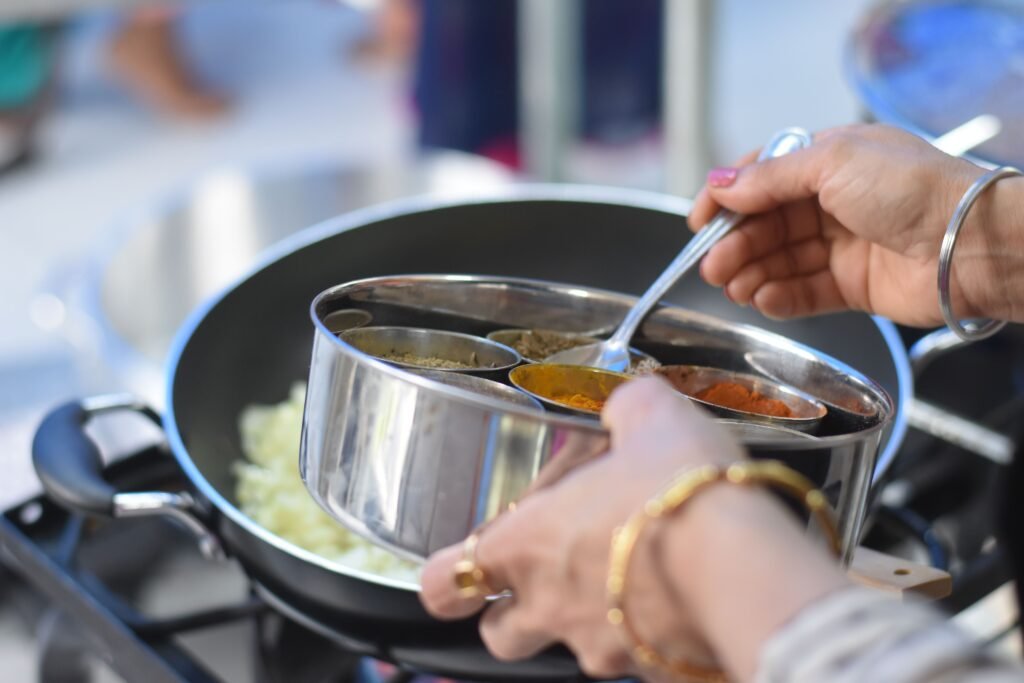
During each Rajasthani cooking session, we welcome guests into our kitchen or onto the terrace, where we lay out ingredients with care. We introduce spices not just by name, but by purpose and history. Grinding masalas, stirring slow-cooked curries, and shaping breads together create an immersive cultural food experience that many guests associate with the warmth found in a family home.
What Actually Happens in Our Traditional Rajasthani Cooking Classes
A session runs two to three hours and is built around three or four dishes rather than a long list. Groups stay small, usually between two and eight people, because the kitchen is a working family kitchen and not a demonstration theatre. You cook and learn Rajasthani cooking techniques standing at the counter alongside whoever normally makes that dish, which is often a family member rather than a hired chef.
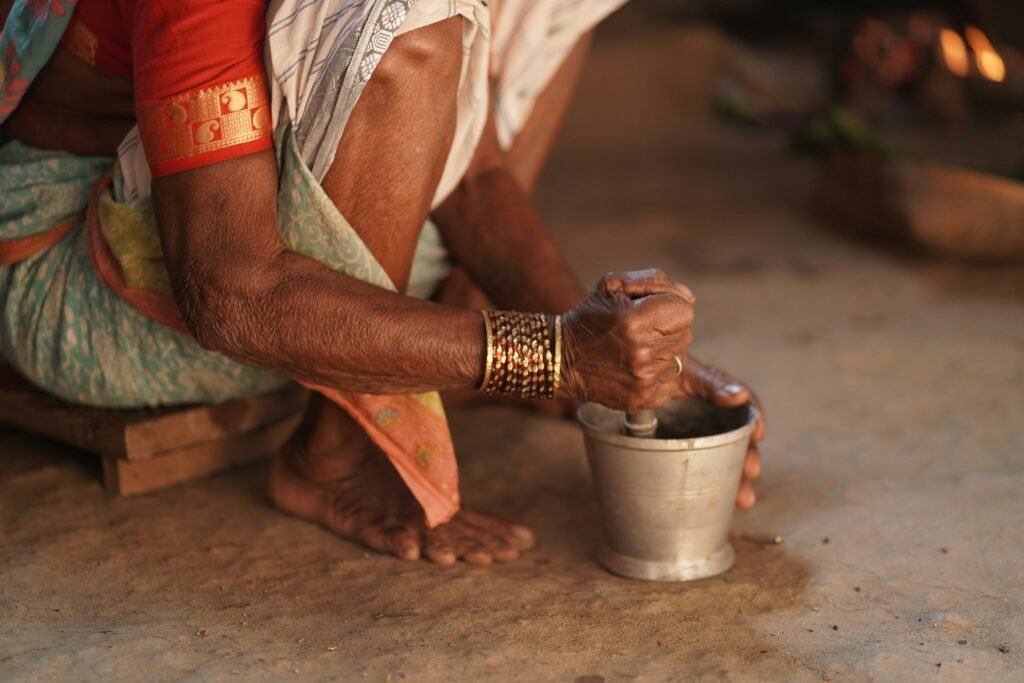
Everything is hands-on. You grind the masala on a stone, shape the baati by hand, and judge the ghee by smell instead of a timer. Vegetarian, Jain, and gluten-free menus are all doable if you flag them when booking. Unlike commercial Rajasthani cooking classes that run to a fixed daily slot, our sessions are arranged around your day – morning is generally better than evening if you want to eat what you cook as a proper lunch.
The Heritage of Flavours
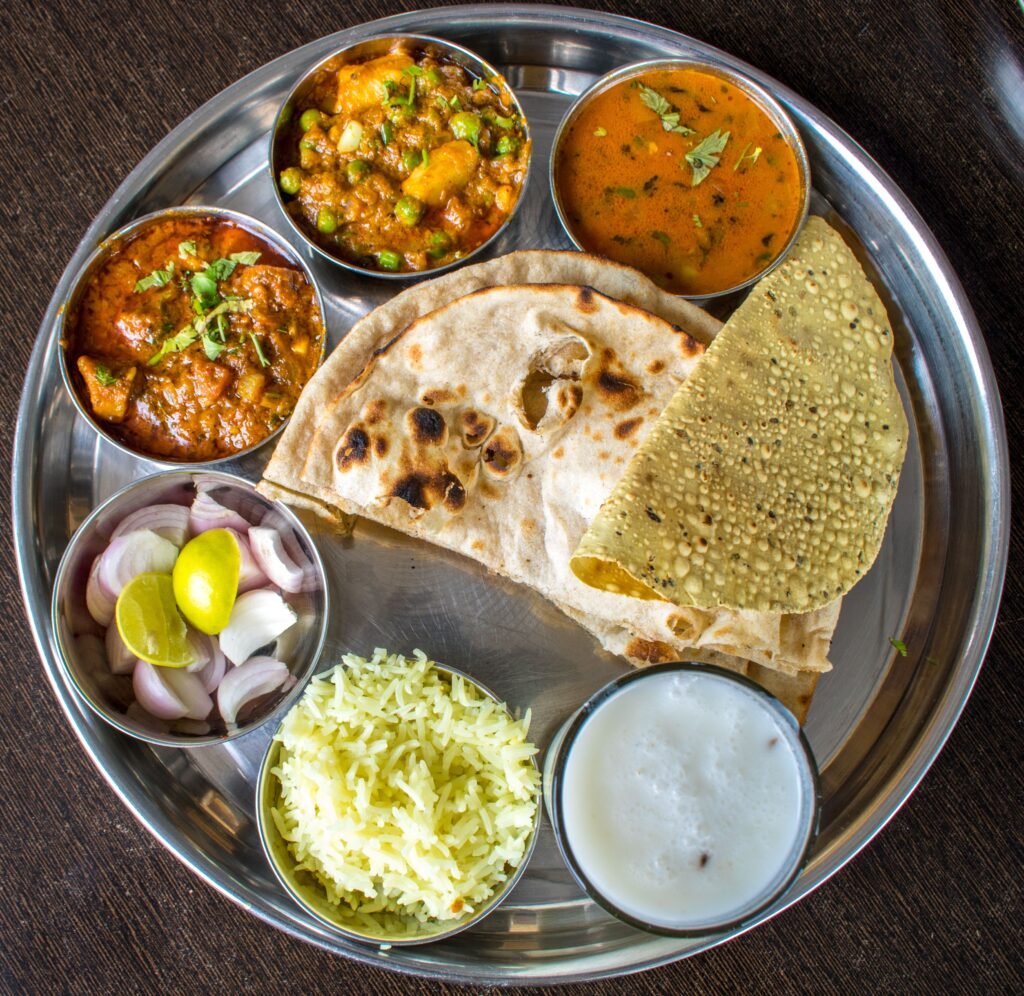
Each region of Rajasthan has its own culinary identity, and our menus reflect that diversity. In our cooking sessions, guests may discover the secrets behind laal maas, the fiery lamb dish that once fueled royal hunting expeditions, or the delicate gatte ki sabzi, made from gram flour dumplings in a spiced yoghurt gravy. Traditional breads such as baati, served with rich dal and lashings of ghee, showcase the resourcefulness of desert kitchens. Sweets like ghevar and churma add the final flourish of extravagance.
The Rajasthani cooking recipes are prepared using methods passed down through generations. Clay pots, iron griddles, and open flames feature, reminding us that the essence of our gourmet session lies in its authenticity. Guests are not only shown how to prepare these dishes but also told the stories that accompany them, when they are traditionally eaten, which festivals they belong to, and how they vary across households.
Traditional Rajasthani Cooking Techniques Worth Knowing
The methods matter more than the ingredient list, and most of them exist because of scarcity rather than style.
Dhungar is the smoking technique. A lit coal goes into a small bowl set inside the pot, ghee is poured over it, and the vessel is covered so the smoke enters the food. This gives Laal Maas its finish.
Bhunao is the long, patient frying of the masala base until the ghee separates and rises. Rushing it is the single most common mistake in traditional Rajasthani cooking.
Dahi-based gravies replace water entirely, which is why so many curries here carry a faint sourness. The yoghurt must be tempered slowly, or it splits.
Baking in ash and dung cake embers is how baati was originally cooked, and the hard crust it produces is the reason the bread keeps for days.
Guests spend most of a session learning these Rajasthani cooking techniques. The recipes are the easy part.
The Rajasthani Food Pantry
Understanding Rajasthani food means understanding scarcity. This is desert cooking, shaped by a climate with little water and few fresh vegetables for much of the year, and almost every signature technique traces back to that constraint. Yoghurt and buttermilk replace water in gravies. Dried lentils, beans and berries such as ker and sangri stand in for green vegetables. Ghee is used generously because it preserves.
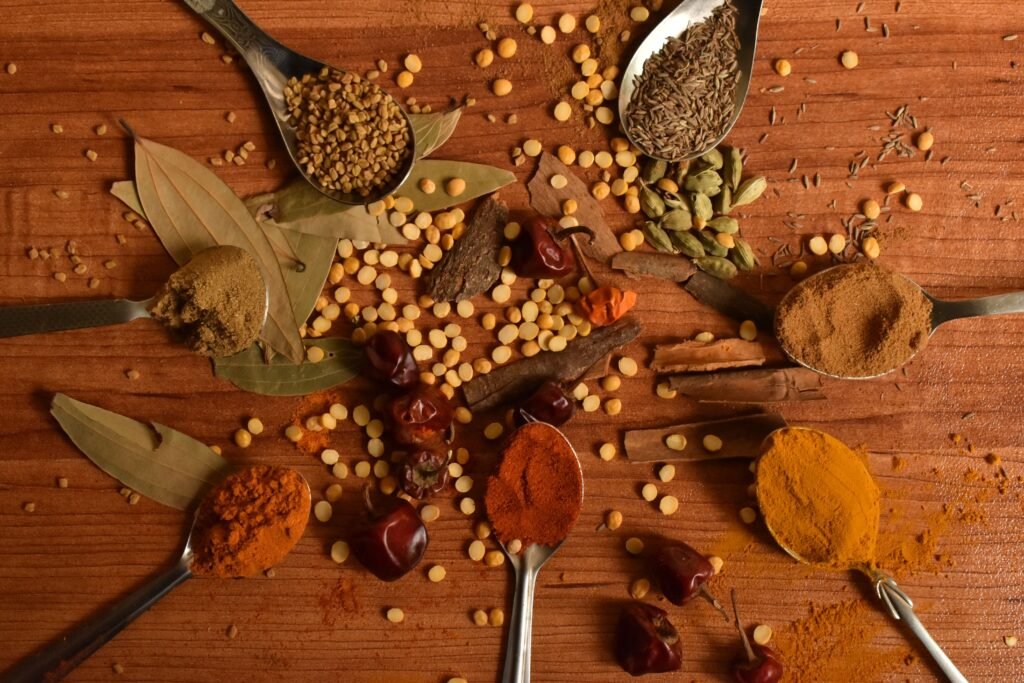
Amchur, or dried mango powder, adds sourness when lemons are scarce. Asafoetida replaces onion and garlic in many Marwari and Jain households. Mathania chillies from near Jodhpur give laal maas its colour without the ferocity the shade suggests. Once you know why these ingredients are in the pantry, the rest of Rajasthani food makes immediate sense, and that context is a large part of what our sessions teach.
From Market to Table
A highlight for many travellers is the chance to explore Jaipur’s bustling markets before cooking. The streets brim with the scent of spices, stacks of fresh vegetables, and baskets of fragrant herbs. Walking through these markets is an education in itself, as stallholders share tips and insights about their produce. Selecting ingredients here and bringing them back to our kitchen lets our guests experience the full journey from market to table.
This step helps those who want to understand how local produce shapes local cuisine. The sharp tang of amchur, the earthy depth of cumin, and the warmth of chilli each help balance a dish. Through this process, guests develop a deeper appreciation for the craft of cooking and the culture that sustains it.
Traditional Rajasthani Cooking Classes in Jaipur
While the techniques and recipes are valuable, what sets this gourmet cooking experience in heritage hotel surroundings apart is the sense of connection it creates. Guests often tell us that they arrived expecting a cooking class but left feeling as though they had shared a family meal.
The atmosphere is informal and convivial, and the shared meal at the end is a valid reward. Sitting down together, tasting the dishes they’ve created, and savouring them in the courtyard or on the terrace brings a sense of accomplishment and joy. It reminds us that food is not only about taste but also about the people and the place it comes from.
Cooking as Part of a Longer Stay
Food carries beyond the daily table here. The same kitchen and courtyard host small celebrations, and couples planning a destination wedding in Jaipur often build a Rajasthani cooking session into the itinerary as a daytime activity between ceremonies. Guests who have travelled from abroad tend to remember it more than the formal dinners.
For everyone else, the sessions work best on a second or third day, once you have eaten enough around the city to know what you want to learn.
An Invitation to the Kitchen
Food is the heart of our hospitality, and we are always delighted to share it with our guests. Taking part in a traditional Rajasthani cooking session here, in the surroundings of our heritage hotel, lets you experience the flavours and rhythms of this region in the most personal way.
To cook in a heritage haveli is to engage with the region in its most personal form – rolling up your sleeves, stirring the pots, tasting the spices, and discovering a side of Jaipur that is as rich and welcoming as its people.
Frequently Asked Questions
What makes a gourmet cooking experience in Jaipur unique?
A gourmet cooking experience in Jaipur combines hands-on learning with the richness of Rajasthani cuisine, often set in a heritage hotel that reflects the city’s cultural charm.
Do heritage havelis offer cooking classes?
Yes, many heritage hotels in Jaipur invite guests to join interactive cooking sessions to learn traditional recipes and discover the secrets of authentic Indian flavours.
What dishes are usually prepared in a Jaipur cooking experience?
Guests often learn to prepare classic Rajasthani dishes such as dal baati churma, gatte ki sabzi, laal maas, and traditional sweets that highlight the region’s culinary heritage, and they can take away Rajasthani cooking recipes to use at home.
Is prior cooking experience required to join?
No, these traditional Rajasthani cooking classes are for beginners and seasoned cooks alike. Chefs guide participants step by step to ensure everyone can enjoy the process.
How long does a typical gourmet cooking session last?
Most cooking experiences last between two and three hours, including preparation, cooking, and enjoying the freshly prepared dishes together.
How much do Rajasthani cooking classes cost?
Pricing depends on group size, the menu, and whether a market walk is included, so we quote it on enquiry rather than list a fixed rate. Sessions that include ingredients and a full sit-down meal generally sit above the rate of a standalone commercial class, since you are paying for the meal as well as the teaching. Among our gourmet sessions, the difference is usually the family kitchen rather than a training kitchen.
Can Rajasthani cooking classes be arranged around a wedding?
Yes. Interactive cooking sessions work well as a daytime activity between ceremonies, particularly for guests who have travelled from abroad. It is one of the more requested additions for a wedding in Jaipur at the haveli.
Do I need to be staying at the property to join?
No. The sessions are open to non-residents and guests, though residents have more flexibility with timing.
Can guests taste the food they cook during the session?
Yes, the highlight of a gourmet cooking experience in Jaipur is sitting down to enjoy the dishes prepared, often paired with local accompaniments and traditional drinks.
What other cultural activities can be paired with a cooking experience in Jaipur?
Along with cooking, guests can enjoy folk music performances, handicraft workshops, and guided tours of Jaipur’s palaces and markets for a fully immersive cultural experience.
Why choose a heritage haveli for a cooking class?
A heritage hotel provides an authentic backdrop where history, hospitality, and gourmet dining come together, making the cooking experience more memorable and rooted in tradition.
Can I take the Rajasthani cooking recipes home?
Yes. We write recipes for guests at the end of a session, adjusted for ingredients you can actually find outside Rajasthan. Where a substitution is needed, for ker sangri or mathania chillies, for instance, we tell you what works and what does not.
What is the difference between Rajasthani cooking and North Indian cooking?
Water and vegetables, or the absence of both. Traditional Rajasthani cooking uses yoghurt and buttermilk, while a Punjabi kitchen uses water and tomato, relies on dried beans and berries instead of fresh produce, and uses ghee generously because fat preserves food. Asafoetida often replaces onion and garlic in Marwari and Jain households.
