

Ask anyone who grew up in India what the first rains taste like, and the answer comes back the same almost every time. Hot fried snacks and a glass of milky, spiced tea. The minute the sky turns grey and the first drops land in the dust, a craving switches on across the country for something crisp straight out of the pan, eaten standing up while the rain comes down. Few cities take that craving as seriously as Jaipur. The street food in Jaipur is a proper institution year-round, and the monsoon, from roughly July to September, is when it hits its stride.
A quick word for anyone who has not eaten their way around this part of the world before. Rajasthan, the desert state Jaipur governs, is largely vegetarian, and its cooks turned frying and spicing into an art form generations ago. What follows is a short guide to the things worth queuing for once the rain arrives, none of it more than pocket change.
Monsoon Street Food in Jaipur: Why the Rains Bring Out the Best Flavours
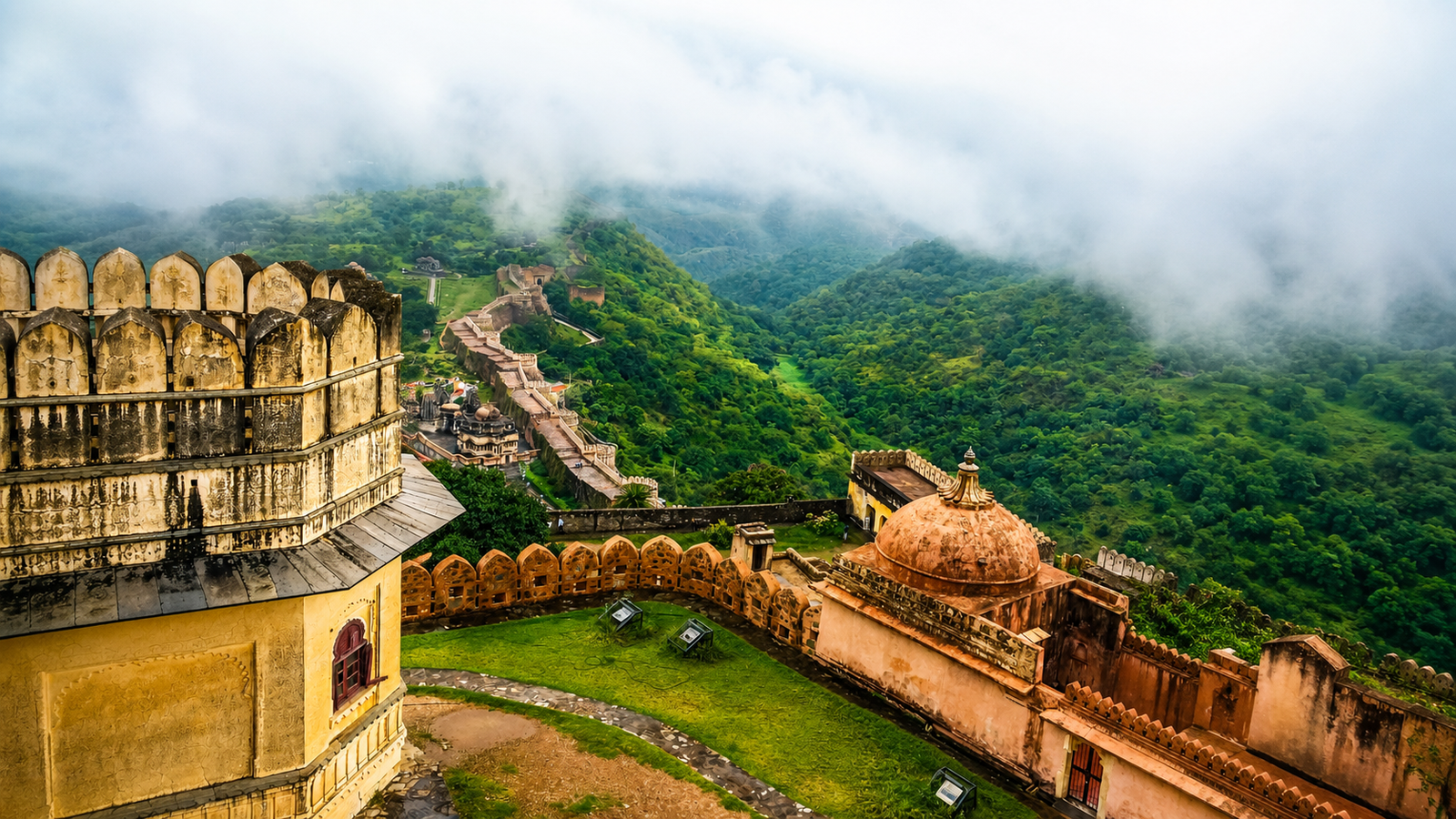
The logic of street food in Jaipur during the monsoon season is simple. The air turns cool and damp, the appetite wakes up, and a plate of something hot and golden feels like the correct answer to a grey afternoon. The vendors know it, so the pans stay busy from breakfast until late; the lines at the old favourites grow longer. This is the season when the frying side of Rajasthani cuisine comes fully to life, and when Jaipur’s Rajasthani dishes are eaten as they were meant to be, hot, loud with chilli, and chased down with tea. Here is what to look for.
Pakoras, the snack the whole country agrees on
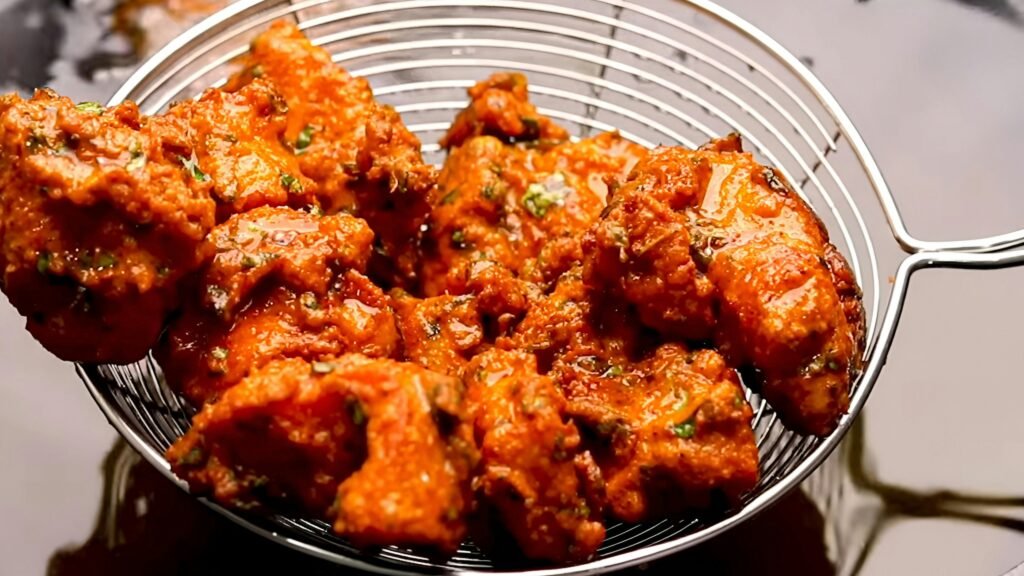
Start with the pakora, because every Indian does. A pakora is a fritter. You take a piece of vegetable, an onion ring, a slice of potato, a whole green chilli, a few spinach leaves, dip it in a spiced batter made from gram flour, which is simply flour ground from chickpeas, and fry it until crisp and deep gold. If you have eaten an onion bhaji, you have already met the pakora’s cousin. On a rainy evening, a paper cone of these, dusted with chaat masala and handed over with a fierce green chutney, is close to perfect.
The Pink City has its own upgrade, the bread pakora, where spiced mashed potato is packed between two slices of bread, dunked in the same batter and fried into a hot, filling slab.
Mirchi bada, Rajasthan’s favourite dare
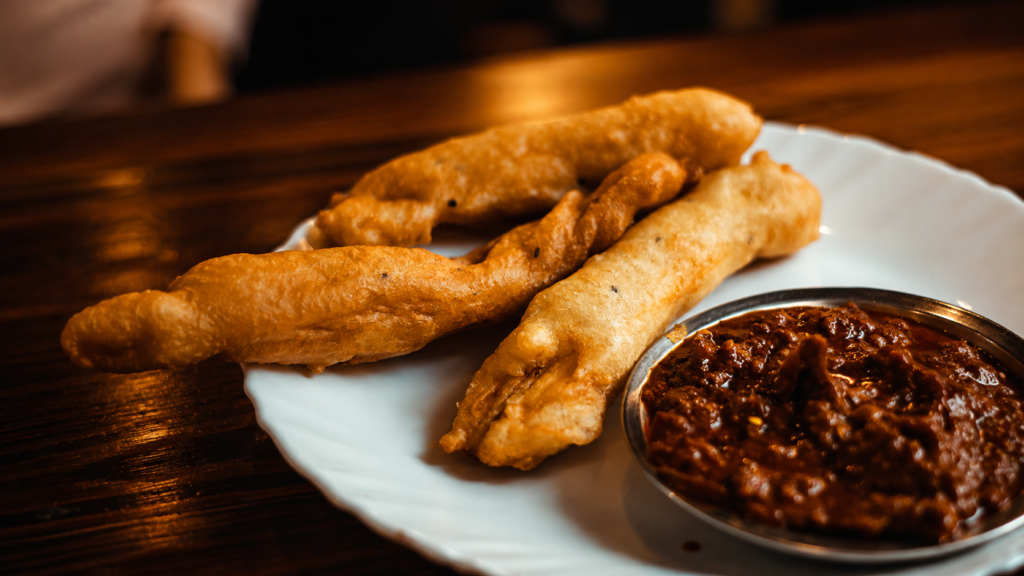
The mirchi bada is where the region shows off. A large, fairly mild green chilli is slit open, stuffed with spiced mashed potato, coated in gram flour batter and deep-fried until crisp. The name translates roughly as big chilli, which sounds alarming, though the heat is gentler than it looks, since the fat chillies used here are picked for flavour more than fire. It is a monsoon favourite across Rajasthan, and it reached Jaipur from Jodhpur, a few hours west, where it was first made. Have one hot, with a smear of sweet tamarind chutney, and you will understand the queues.
Pyaaz Kachori, the one you cannot skip
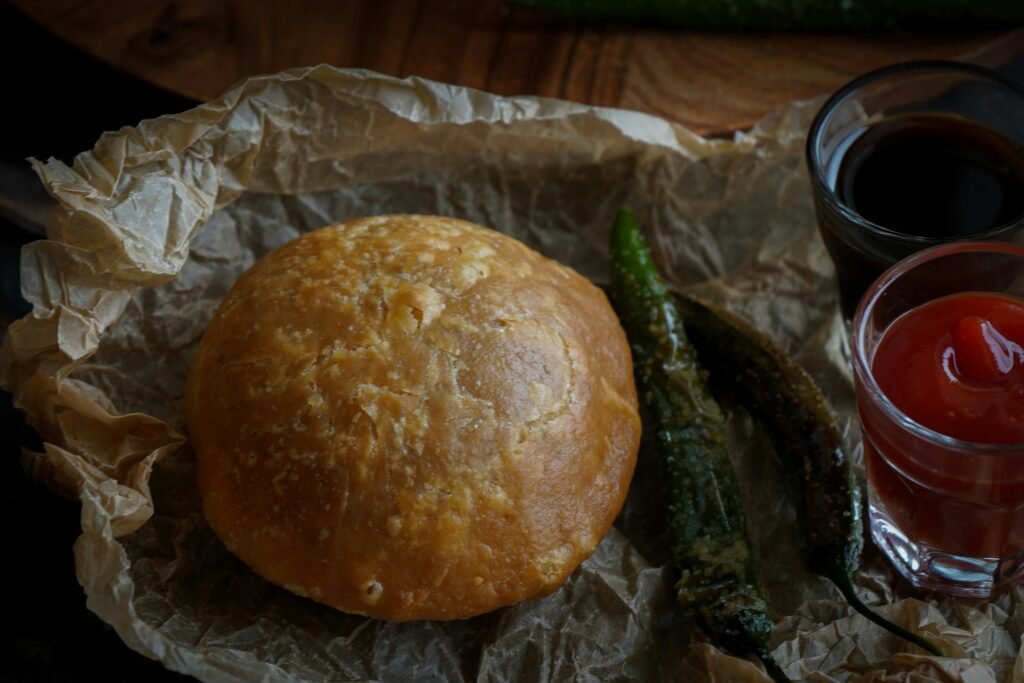
If you try a single thing on this list, make it the Pyaaz Kachori. This is a round pastry, deep-fried until it puffs and crisps, and packed with a filling of onions cooked down with warm spices until they are sweet and savoury at once. The word pyaaz simply means onion. It is eaten all day here, most of all at breakfast, torn open and dressed with tamarind and mint chutneys, and it is the dish most likely to stay with you long after the trip is over.
The name to know is Rawat Misthan Bhandar near Sindhi Camp, a Jaipur landmark with a permanent crowd at its standing counters and a reputation for the city’s finest onion kachori. Order it fresh and eat it standing shoulder to shoulder with commuters grabbing breakfast, and you will taste why the place is a rite of passage.
If you would rather learn the dish than simply eat it, this is where staying somewhere with a working kitchen pays off. A small heritage haveli in Jaipur, such as Dera Mandawa, a family-run mansion in the heart of the old city, cooks its Rajasthani cuisine the way the household always has, and the family cook can show you how the spices for a proper kachori filling come together. Being based in the middle of the walled city has a second benefit too, since the best food lanes are then a short walk from your door.
Masala chai, the drink that ties it together
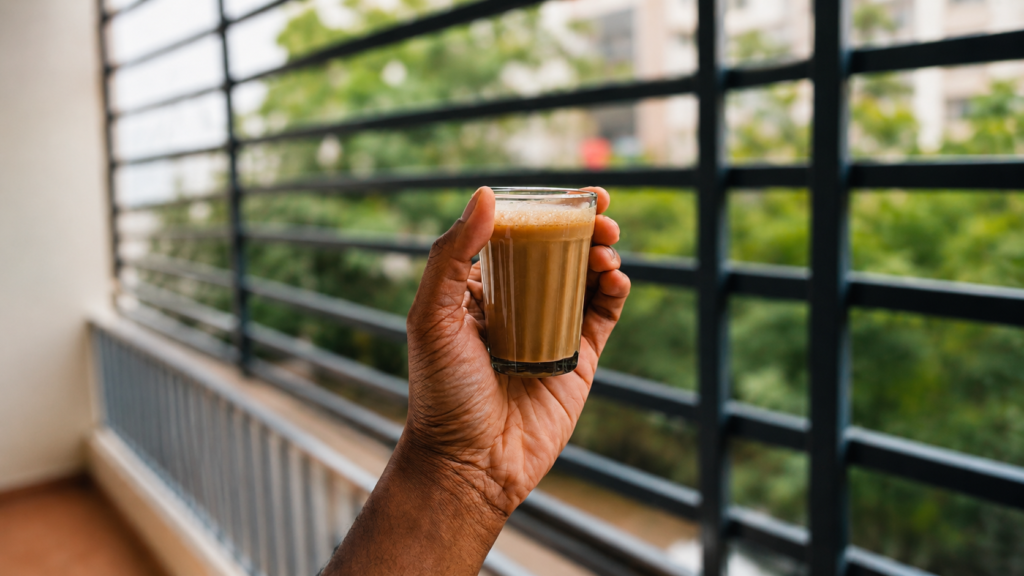
None of this works without tea. Masala chai is black tea brewed with milk, sugar and a warming mix of spices, usually cardamom, ginger, cinnamon and cloves, boiled together in a pan until it is strong and fragrant. In the old city, you will find it poured into a kulhad, a small unglazed clay cup that gives the tea a faint earthy note and can be tossed away when you are done.
A kulhad of chai and a fresh pakora, taken under an awning while the rain drums overhead, is one of the great small pleasures of an Indian monsoon.
Summer, of course, calls for an entirely different lineup of Jaipur’s cooling drinks. If you want something more filling with it, ask for bun maska, a soft roll split and spread thick with butter, made for dunking.
A sweet full stop, and where to go
Finish on a mawa kachori. It looks like its savoury cousin but is a dessert: the same fried pastry shell filled with mawa, which is milk cooked down to a soft, rich solid, along with chopped nuts and cardamom, then soaked in warm sugar syrup. Eaten straight after a savoury Pyaaz Kachori, it rounds off a Jaipur breakfast in the local style.
If you are new to all this and want it made easy, head to Masala Chowk in Ram Niwas Garden, an open-air food court that gathers dozens of stalls in one tidy, well-lit spot for a token entry fee. For the braver, the lanes around Johari Bazaar and Chandpole reward a slow wander with a chai stall or a frying pan every few steps.
Come hungry, carry small notes, and follow the longest local queue. During the rains, that queue almost always leads to something worth eating, and these Rajasthani dishes taste best exactly where they are made, on a busy street corner with the monsoon coming down around you.
Get in touch to book your monsoon stay with us at Dera Mandawa, right in the heart of the old city’s food lanes.
