

Jaipur is renowned for its grand palaces, bustling bazaars, and historic forts. Yet beyond the well-trodden paths lies a quieter, more secret side of the city one that exposes hidden places in Jaipur known only to those who live and breathe its streets. For travellers seeking authentic encounters, these lesser-known corners promise memorable experiences and a deeper connection to the city’s culture.
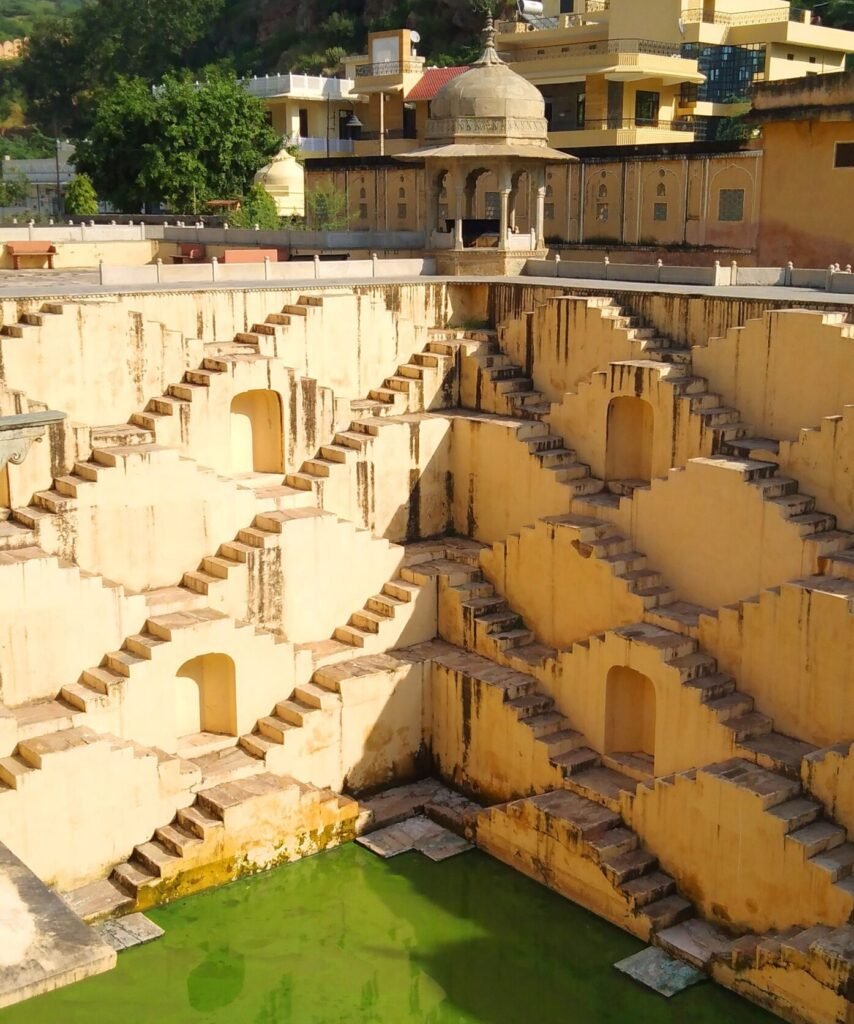
Panna Meena ka Kund
Tucked away near Amer Fort, Panna Meena ka Kund is an ancient stepwell that captivates with its geometric symmetry and calm waters. Less frequented by tourists, this spot offers a glimpse of Jaipur’s architectural ingenuity and a peaceful retreat from the city’s energy. The reflections on the water and the steps create an almost meditative setting, ideal for undisturbed exploration or photography.
Gaitor Ki Chhatriyan
A short drive from the old city, at the foot of the hill below Nahargarh Fort, sits the royal cremation ground of the Kachwaha rulers. The cenotaphs here are carved from white marble, each canopy raised over the spot where a maharaja was cremated, and the carving on Sawai Jai Singh II’s chhatri is among the finest stonework in the city.
Almost nobody goes. A small entry fee, a caretaker, and usually more peacocks than visitors. Of all the hidden places in Jaipur, this is the one that most reliably surprises people, partly because it sits within ten minutes of Jal Mahal and yet receives a fraction of the traffic. Go in the first hour after opening, when the light comes in low across the marble.
Explore the Obscure Havelis
Jaipur is dotted with historic havelis, many of which guidebooks overlook. Walking through narrow lanes, you can stumble upon beautifully muralled walls, carved doors, and courtyards that seem frozen in time. These offbeat things to do in Jaipur let travellers see traditional Rajasthani life in its most authentic form, away from crowds and commercialisation.
Hidden Places in Jaipur Around Amer Fort
Most visitors see one route through Amer Fort and leave. Below the main complex, in Amer town itself, Jagat Shiromani Temple is a sixteenth-century Vishnu temple associated with Meera Bai, with a carved marble entrance and almost no queue.
Also in Amer is the Anokhi Museum of Hand Printing, housed in a restored haveli, where block printers and carvers work on site, and the exhibits explain the craft properly rather than decoratively. It closes on Mondays and during peak summer, so check before you go.
Panna Meena ka Kund sits five minutes away and is best before nine in the morning, when the stepwell is empty and the geometry reads clearly. Doing all three together makes for a half-day around Amer Fort that most itineraries never touch, and it is one of the more rewarding things to do in Jaipur for a second visit.
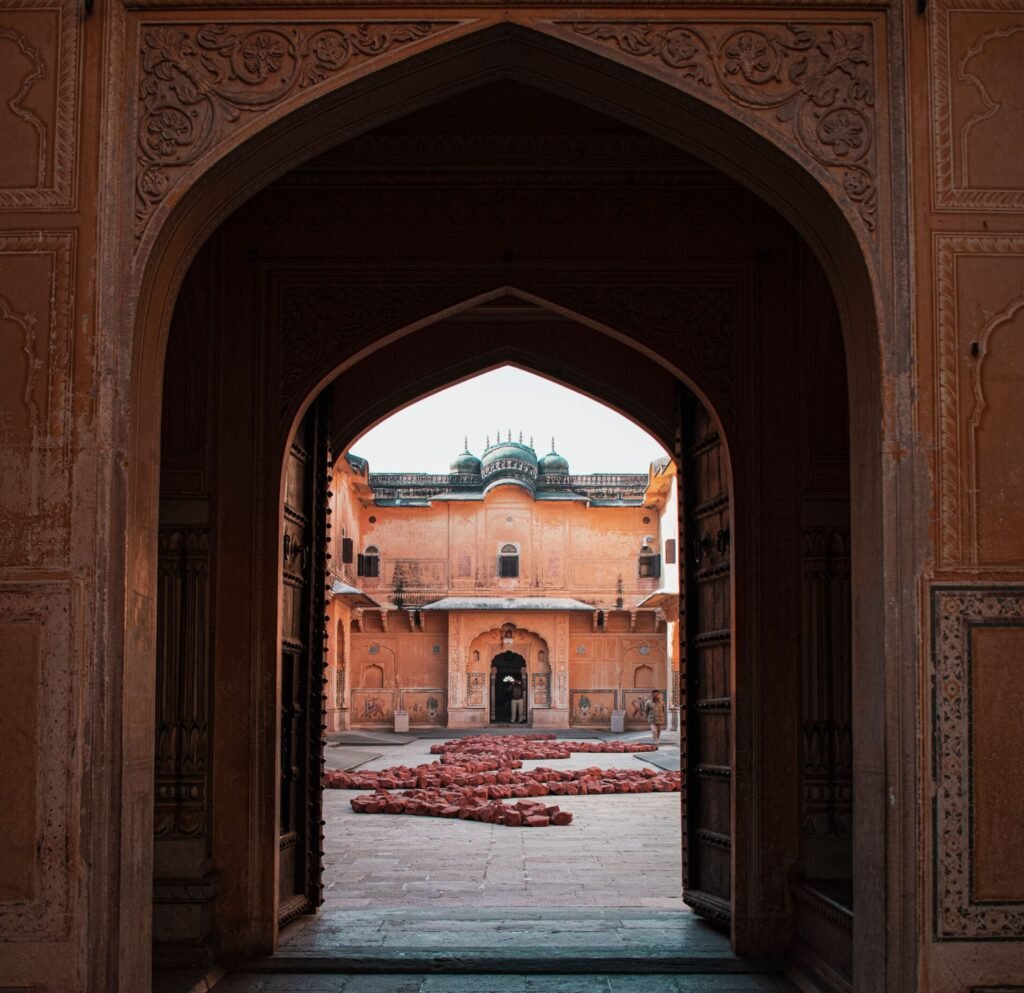
Nahargarh Fort Beyond the Viewpoint
Nahargarh Fort is busy at the wall and empty everywhere else. Madhavendra Bhawan, at the rear of the complex, is a set of nine near-identical suites built by Sawai Ram Singh II for his queens, connected by a corridor so the maharaja could visit any of them unseen by the others. The frescoed walls and the layout are worth an unhurried hour.
The fort also holds a stepwell most visitors walk past entirely, and a set of ramparts running west along the ridge that almost nobody follows. Sunset is the crowded hour. Arrive at opening instead, walk the ridge first, and take Madhavendra Bhawan before the coaches reach the top. Among hidden places in Jaipur that sit inside a famous monument rather than away from one, Nahargarh Fort offers the most.
Seek Out Secret Temples
Amid the busy streets, several secret places in Jaipur remain tucked away. Tiny temples, some dedicated to local deities, provide a spiritual pause amidst the city’s energetic pace. Mainstream itineraries often overlook these temples, offering a unique chance to observe rituals, hear chants, and experience local devotion firsthand.
Named Temples and Gardens Worth Finding
Above Galtaji, the well-known Monkey Temple, a steep path leads to the Surya Mandir, a small sun temple on the ridge with a view over the whole Pink City. Very few of the people at the water tanks below make the climb.
Sisodia Rani Bagh, on the Agra road, is a terraced Mughal-style garden built in 1728 for a queen of Udaipur, with painted pavilions and a stepped water channel. Kanak Vrindavan, near Jal Mahal, is quieter still and green through the monsoon. Chulgiri, a Jain temple on a hill south of the city, requires a climb and rewards it with silence and a full view of the city laid out below.
These sit among the more satisfying hidden places in Jaipur precisely because they are ordinary destinations for residents and invisible to itineraries.
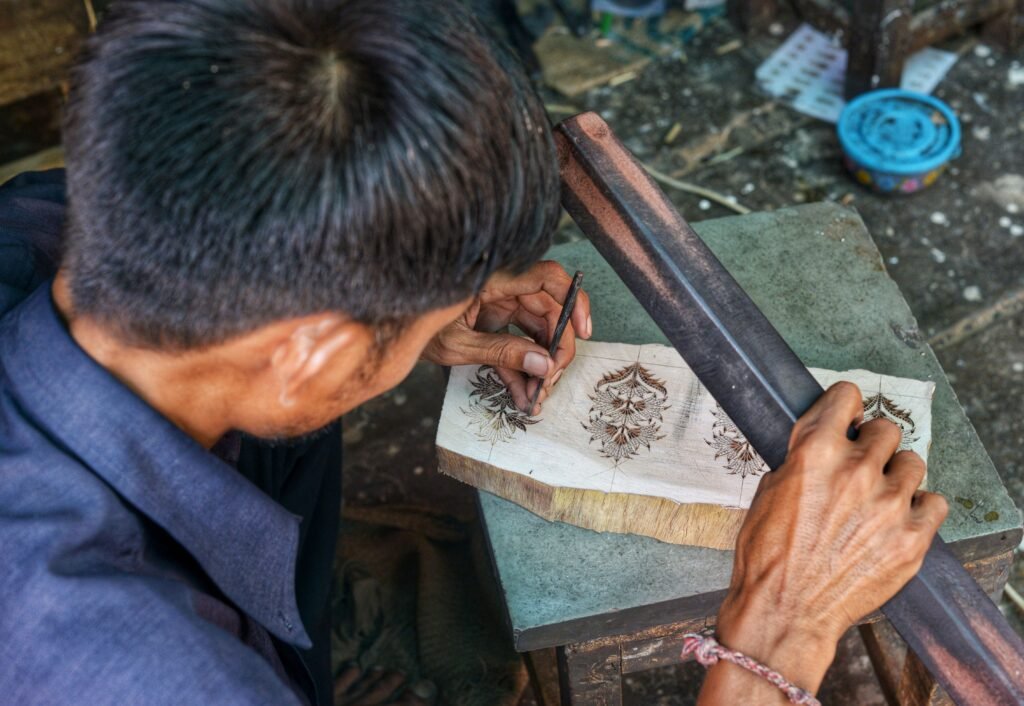
Embrace Local Markets and Workshops
For authentic local experiences, explore small artisan workshops and neighbourhood markets. These hidden places in Jaipur allow visitors to see craftspeople at work – from block printing to jewellery-making – and purchase unique souvenirs directly from the artisans. Wandering through these lanes offers insight into Jaipur’s living culture beyond the typical tourist gaze.
Artisan Lanes That Have Names
Khajane Walon Ka Rasta, off Chandpole Bazaar, is the marble carving lane, where statues and inlay work are cut by hand in open workshops, and nobody minds you watching. Kishanpole Bazaar nearby is where lac bangles are made over small flames.
For textiles, Sanganer and Bagru sit south and west of the city, where the block printing sold across Jaipur actually happens. Both are visitable in half a day, and both take walk-ins at the smaller units, though a call ahead helps at the larger karkhanas. Asking a host at a heritage stay in Jaipur which units are working on a given day is generally more useful than a listings site, since the smaller workshops keep irregular hours.
Quiet Gardens and Hidden Cafés: the most secret places in Jaipur
Several serene gardens and intimate cafés lie hidden behind Jaipur’s busy streets. These are perfect places to relax, enjoy a traditional chai, and watch city life occur. They offer a secluded retreat for introspection, reading, or simply appreciating the city’s slower side – a part of Jaipur seldom captured in travel guides.
Experience the Hidden Places in Jaipur Like a Local
To truly understand Jaipur, one must move beyond its main attractions. Exploring these hidden places in Jaipur – from secluded stepwells to tucked-away markets – reveals layers of culture, history, and daily life that are both enriching and memorable.
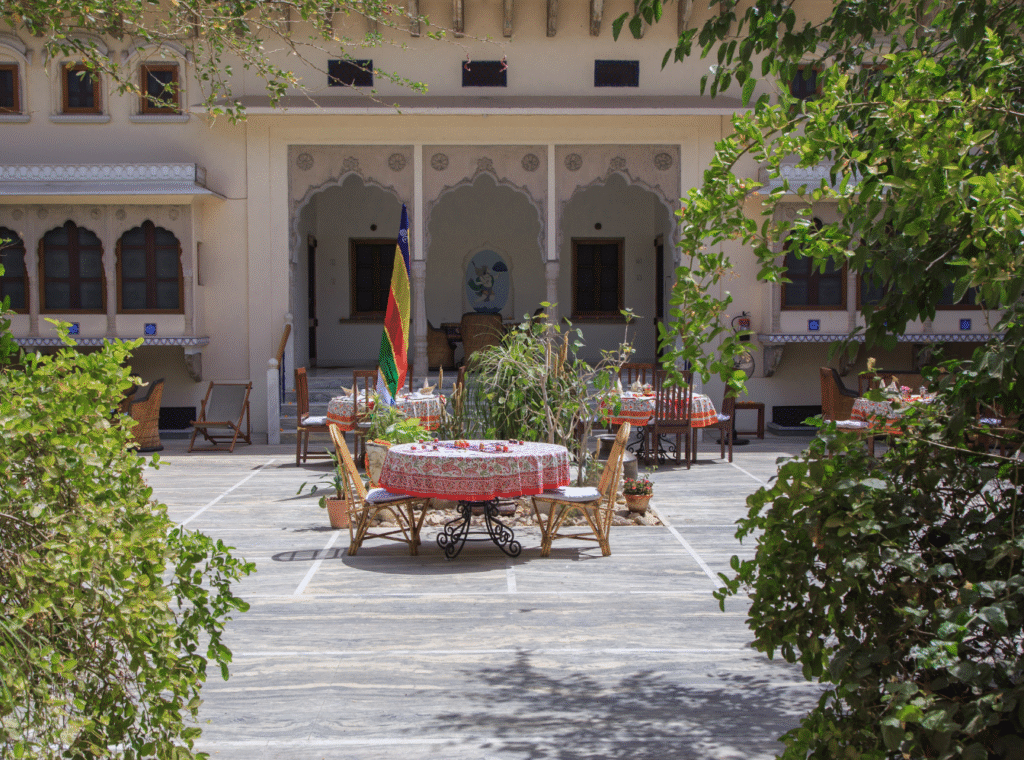
Stay Amidst History and Culture
After a day of uncovering Jaipur’s secrets, retreat to a place that mirrors the city’s heritage and elegance. Dera Mandawa, a heritage stay in Jaipur, offers a serene, luxurious sanctuary that combines authentic architecture with modern comforts. Here, the spirit of Jaipur’s past meets present-day hospitality, giving guests a fascinating experience of the Pink City.
We invite you to stay with us and let Jaipur reveal its secrets – from hidden alleys to timeless courtyards – and every moment at Dera Mandawa is a discovery waiting to unfold.
Frequently Asked Questions
What are some truly hidden places in Jaipur worth exploring?
Some of the most intriguing hidden places in Jaipur include Panna Meena ka Kund, the lesser-visited courtyards of Nahargarh Fort, and the havelis tucked away in the old city lanes.
Which offbeat things to do in Jaipur are ideal for curious travellers?
For travellers who enjoy discovery, the offbeat things to do in Jaipur range from exploring artisan workshops in the old quarters to joining local food walks or cycling tours through heritage neighbourhoods. Each experience reveals a different side of the Pink City.
Are there unexplored places in Jaipur near the principal forts and palaces?
Yes. Around Amer and Nahargarh Forts lie several unexplored places in Jaipur, including concealed stairways, small shrines, and ancient stepwells that most tourists overlook. These areas offer incredible views and great photo opportunities.
Where can I find secret places in Jaipur for peace?
There are many offbeat places in Jaipur perfect for slow travel, from shaded gardens and stepwells to rooftop cafés with city views. Locals usually retreat to these corners to escape the bustle and enjoy a slower pace.
Which hidden places in Jaipur can be reached on foot?
From inside or just outside the walled city, Khajane Walon Ka Rasta, Kishanpole Bazaar, the flower market and the smaller temples of the old grid are all walkable. Gaitor, Amer Fort, Nahargarh Fort, Galtaji and Sisodia Rani Bagh all need a short drive. Staying at a heritage stay in Jaipur inside the old city means the walkable half needs no planning at all.
What are the entry fees for these places?
Most carry a small fee, typically under a hundred rupees for Indian nationals and higher for foreign visitors, with camera charges at some. The Jaipur composite ticket covers Amer Fort, Nahargarh Fort, Jantar Mantar, Albert Hall, Hawa Mahal and several others, and is worth buying if you plan to see three or more within two days.
How many days do I need for the offbeat things to do in Jaipur?
Two days on top of a standard itinerary is usually enough. One for the Amer and Nahargarh side, one for the old city lanes and workshops. Anything less and you are choosing between them.
What local experiences in Jaipur are worth trying?
The most rewarding local experiences Jaipur offers include learning block printing, visiting a family-run jeweller, or attending a small cultural performance at a local haveli. These experiences bring travellers closer to the city’s living traditions.
Is it easy to visit these hidden places in Jaipur without a guide?
While some hidden places in Jaipur are easy to explore independently, having a local guide can help uncover lesser-known stories and ensure access to privately owned havelis or workshops that may not be open to the public.
When is the best time to explore hidden places in Jaipur?
The cooler months between October and March are ideal for exploring lesser-known attractions in Jaipur, as the weather is pleasant for walking tours, photography, and outdoor exploration.
How can visitors make the most of Jaipur’s hidden adventures?
To truly enjoy the hidden places in Jaipur, take time to wander without a fixed plan, follow local recommendations, and remain open to discovery. The most memorable moments come from unexpected encounters and unscripted experiences.
