
Nahargarh Fort, Jaipur

lotus

Overview

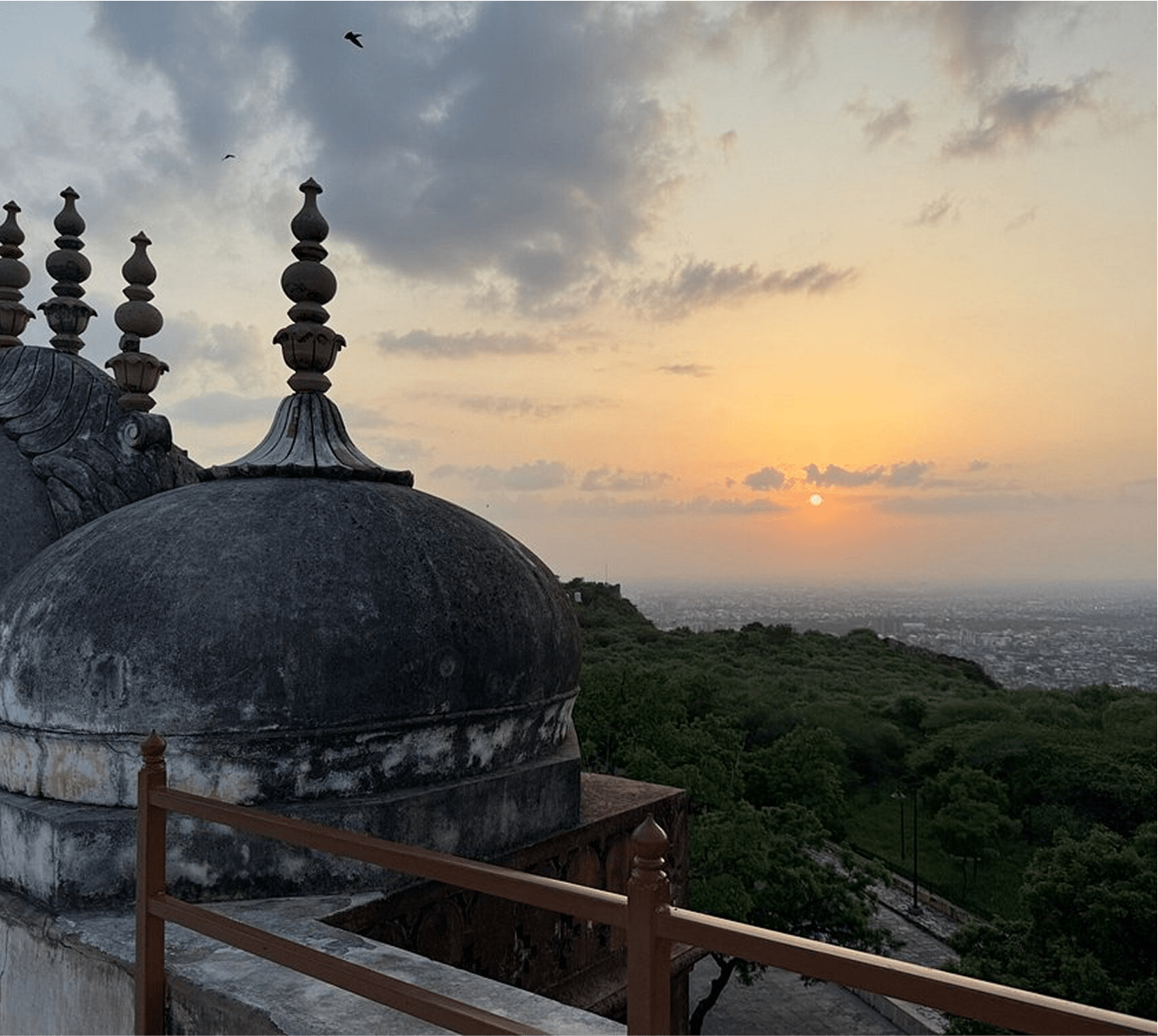
Nahargarh Fort, perched on the rugged Aravalli Hills, is one of Jaipur’s most iconic landmarks, offering breathtaking panoramic views of the Pink City. Along with Amer Fort and Jaigarh Fort, Nahargarh Fort formed a formidable defence ring for Jaipur, showcasing Rajput valour, architectural brilliance, and royal legacy.

Originally built as a retreat and stronghold, Nahargarh Fort in Jaipur is now a favourite among travellers for its history, scenic vantage points, and romantic sunset views. From exploring its ornate palace interiors to dining at its hilltop restaurants, visiting Nahargarh Fort offers a unique blend of cultural and leisure experiences.

Location

Aravalli Hills, Brahmapuri, Jaipur

Timings

10:00 AM – 6:00 PM

Entry Fee

₹50 (Indians), ₹200 (Foreigners)

Time Required

2–3 hours
lotus

What is the History of Nahargarh Fort?

Nahargarh Fort was built in 1734 by Maharaja Sawai Jai Singh II, the founder of Jaipur, as a retreat on the ridge above his new capital. Originally named Sudarshangarh, it took on its present name after a local legend involving the spirit of Nahar Singh Bhomia. Along with Amer Fort and Jaigarh Fort, it formed part of Jaipur’s defence ring, and today it is known chiefly for its nineteenth century Madhavendra Bhawan and its sunset views over the Pink City.

Maharaja Sawai Jai Singh II built Nahargarh Fort in 1734 as a hilltop retreat soon after founding Jaipur, on a ridge of the Aravalli Hills overlooking his new capital. The fort was originally called Sudarshangarh, but it became known as Nahargarh, or “Abode of Tigers,” after a persistent legend: construction was said to be repeatedly disrupted by the spirit of Nahar Singh Bhomia, a local Rathore prince, until a temple was built in his memory inside the fort walls.

The fort’s walls extend across the surrounding hills to connect with Jaigarh Fort, forming a defensive line that, together with Amer Fort, protected Jaipur from attack. It was never directly attacked, though it served a different purpose during the Revolt of 1857, when it gave shelter to European residents of Jaipur.

In 1868, Maharaja Sawai Ram Singh II expanded and refurbished the fort. Its most striking addition came later in the century, when Maharaja Sawai Madho Singh II commissioned the Madhavendra Bhawan, a palace of near identical suites for his queens and a matching suite for himself, turning what had been a defensive outpost into a royal summer retreat.

For decades afterwards, Nahargarh played an unusual civic role: until April 1944, a cannon fired from the fort signalled the official time for Jaipur State, based on readings taken from the Samrat Yantra sundial at Jantar Mantar in Jaipur. Today, the fort is a protected heritage site, home to a wax museum, a biological park at its base, and one of Jaipur’s most popular sunset viewpoints.

Nahargarh Fort Through the Centuries

  • 1734: Maharaja Sawai Jai Singh II builds the fort as “Sudarshangarh,” soon renamed Nahargarh after the legend of Nahar Singh Bhomia.
  • 1857: The fort shelters European residents of Jaipur during the Revolt of 1857.
  • 1868: Maharaja Sawai Ram Singh II expands and refurbishes the fort.
  • Late 19th century: Maharaja Sawai Madho Singh II commissions the Madhavendra Bhawan, turning the fort into a royal retreat.
  • Until 1944: A cannon fired from Nahargarh serves as the official time signal for Jaipur State.
  • Present day: The fort operates as a heritage site with a wax museum, a biological park, and one of Jaipur’s best known sunset points.

Architecture of Nahargarh Fort

Nahargarh brings together Rajput military design with later palace-style additions. Its robust outer walls run across the ridge of the Aravalli Hills, forming a natural barrier that once safeguarded Jaipur, while the fort’s elevated position made it a strategic watchpoint over the city, Amer Fort, and the surrounding landscape.

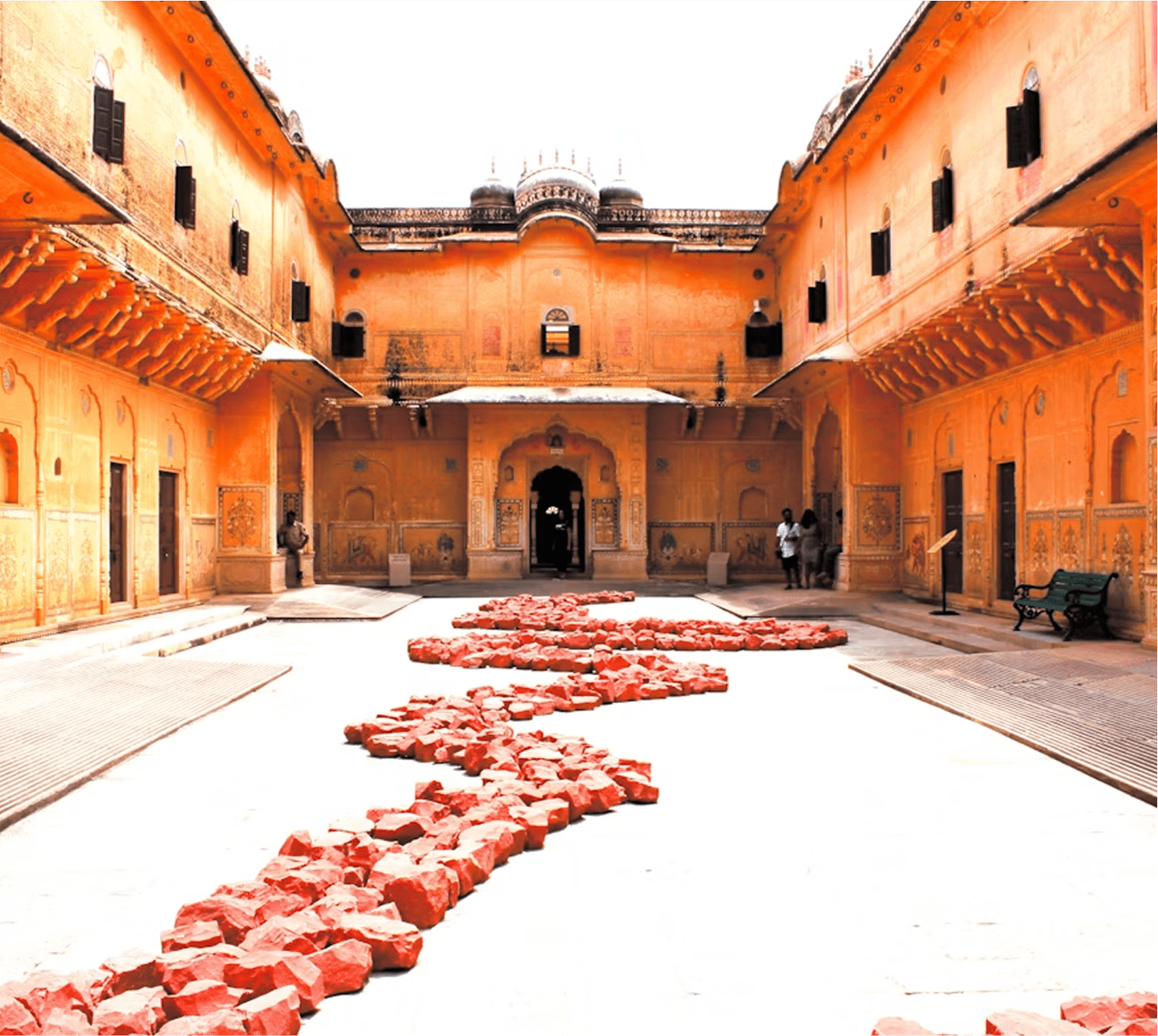
Inside, the Madhavendra Bhawan is the fort’s architectural highlight: a two storey palace of a dozen near identical suites for the king’s queens, arranged around a central courtyard with a suite for the king at its head. Corridors linking the suites carry murals, frescoes, and delicate latticework, with European touches such as rectangular window casements marking it out as a later addition to the mostly Rajput fort.

fish

Main Attractions & Highlights

A quick overview of the key highlights worth your attention.
Madhavendra Palace within the Nahargarh Fort in Jaipur, India.

Madhavendra Bhawan

The palace within the fort is the biggest highlight. Designed with suites for the king and his queens, it features frescoed walls, ornate ceilings, and beautifully arched windows. Each queen’s suite had a separate chamber connected through common corridors, reflecting both privacy and symmetry in design.
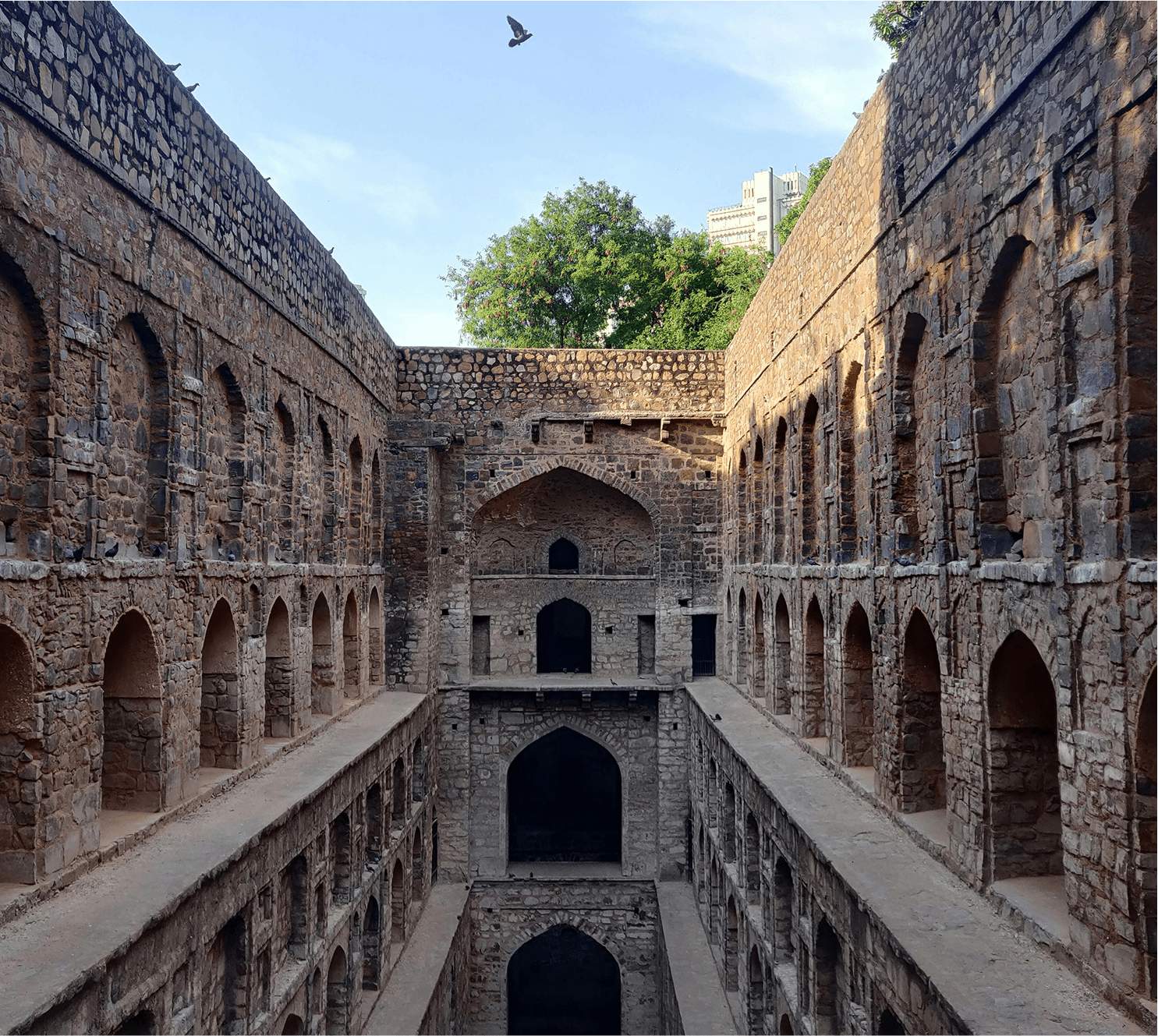
This image captures Agrasen ki Baoli, an ancient stepwell in the heart of New Delhi, India.

Step Wells (Baoris)

Nahargarh Fort features historic step wells that showcase the traditional water conservation systems of Rajasthan. These structures not only provided water but also added to the fort’s sustainable design.
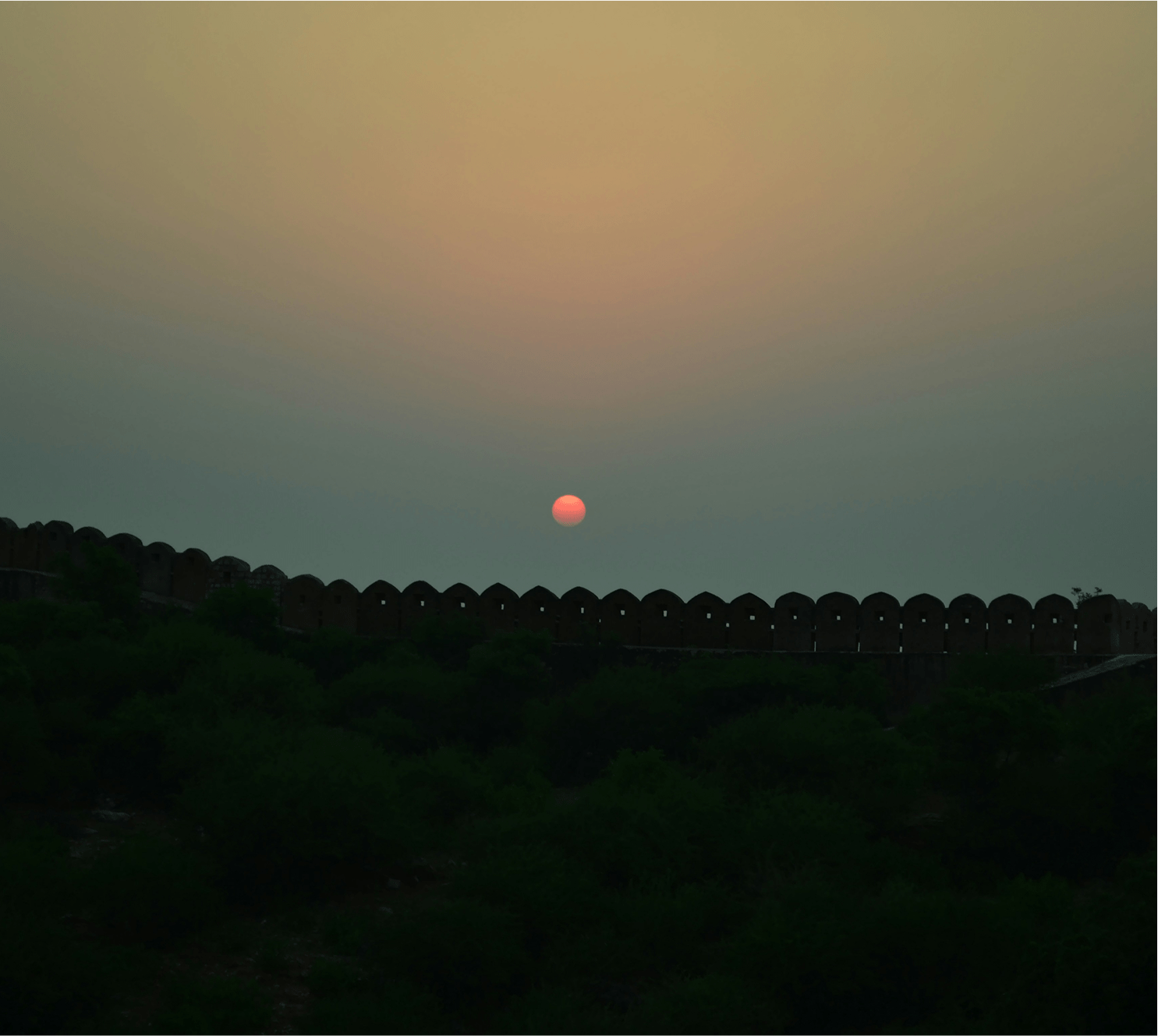
This image captures a sunset view over the walls of the Nahargarh Fort in Jaipur, India.

Sunset Point

Nahargarh is Jaipur’s most famous sunset spot. The terrace and walls of the fort provide dramatic views as the sun sets over the Pink City, painting the sky in shades of orange and gold. It’s a photographer’s paradise.
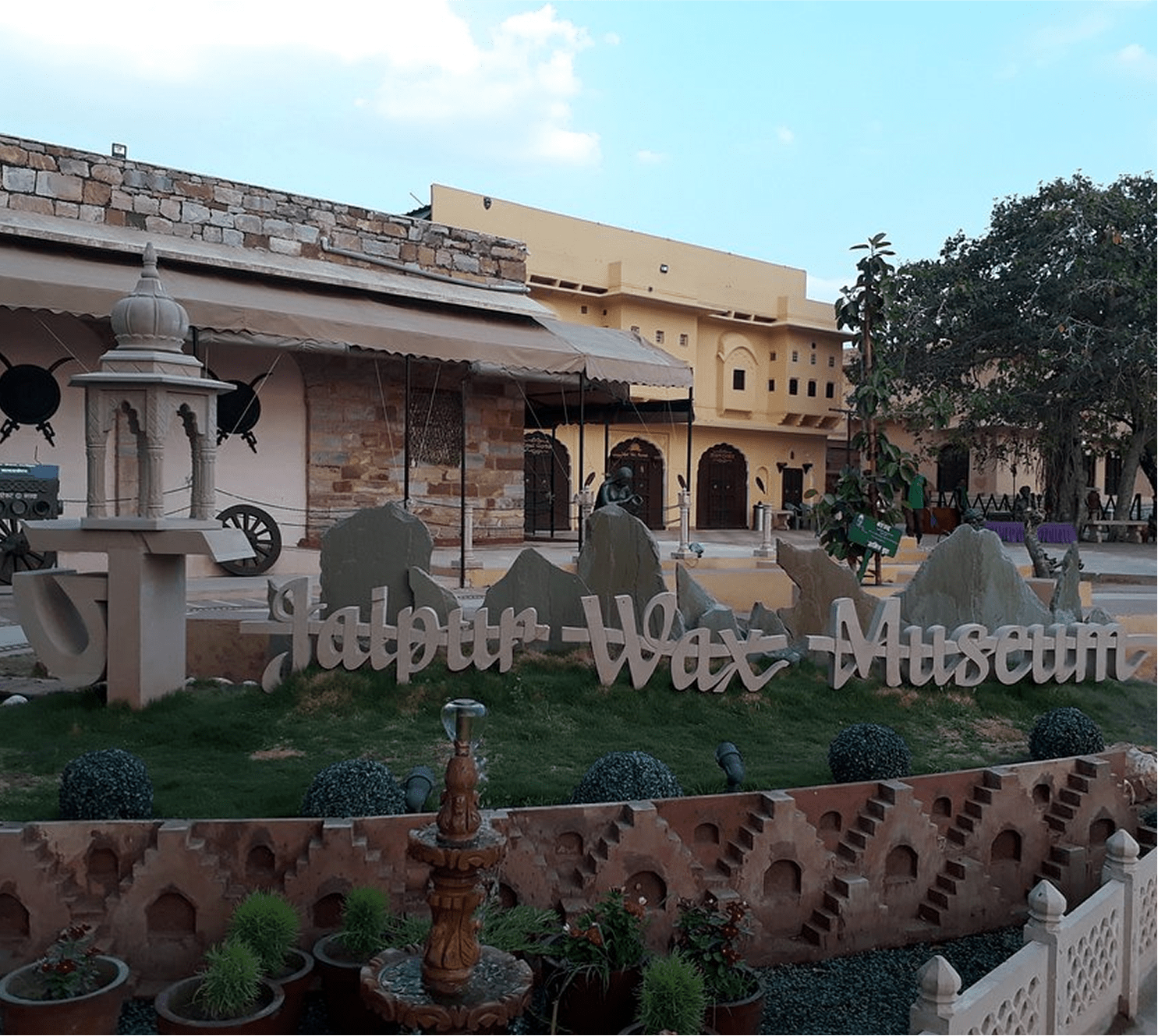
The image shows the entrance to the Jaipur Wax Museum, located within the historic Nahargarh Fort in Jaipur, India.

Wax Museum & Sheesh Mahal

The fort complex houses Jaipur Wax Museum, featuring lifelike wax figures of famous personalities, and Sheesh Mahal (Hall of Mirrors), which beautifully combines glasswork with Rajasthani artistry.
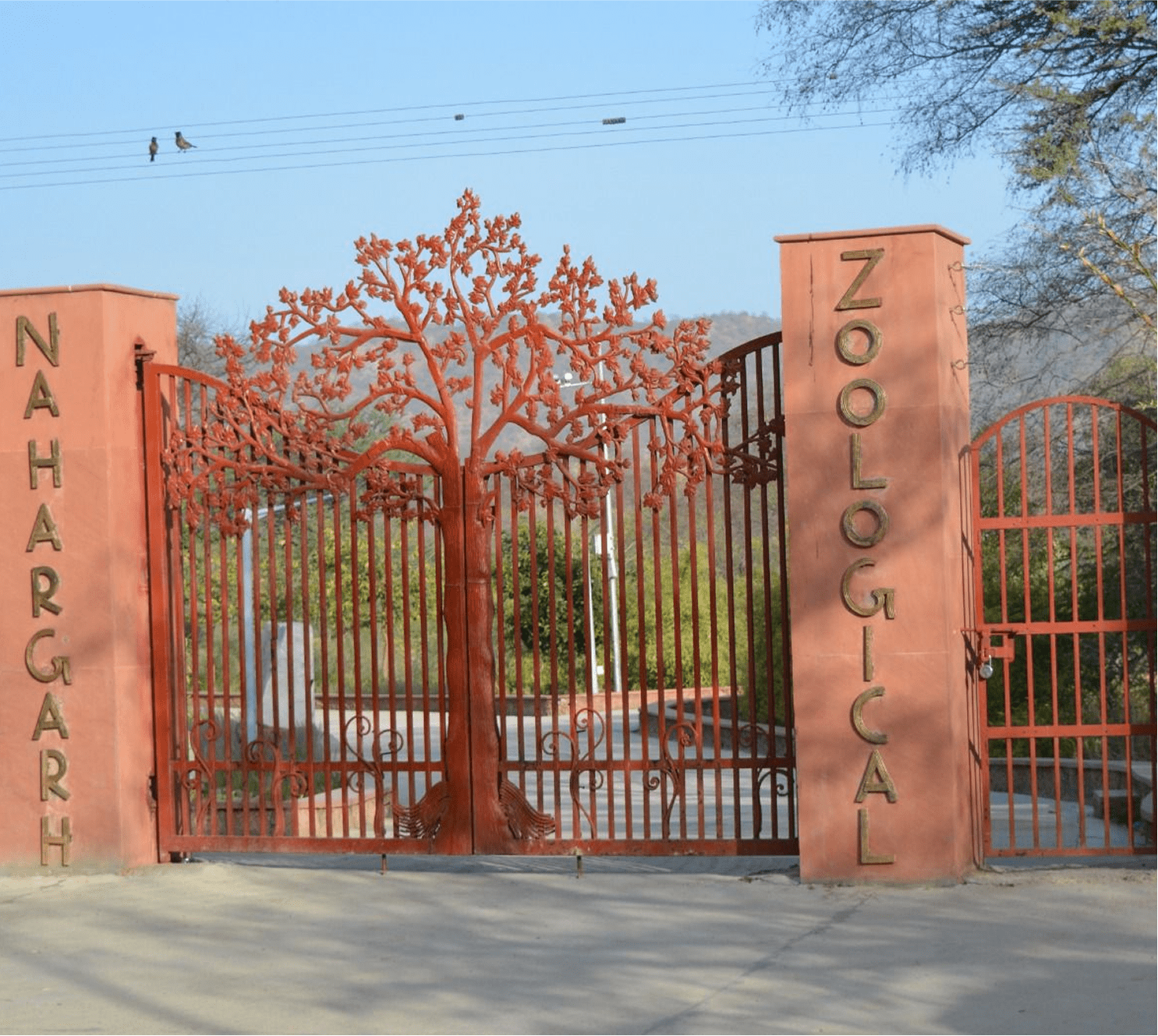
The image shows the entrance to the Nahargarh Biological Park, also known as the Nahargarh Zoological Park, located near Jaipur, India.

Nahargarh Biological Park

Situated at the base of the fort, this wildlife park is home to lions, tigers, leopards, and several bird species, making it a great addition to your itinerary if travelling with family.
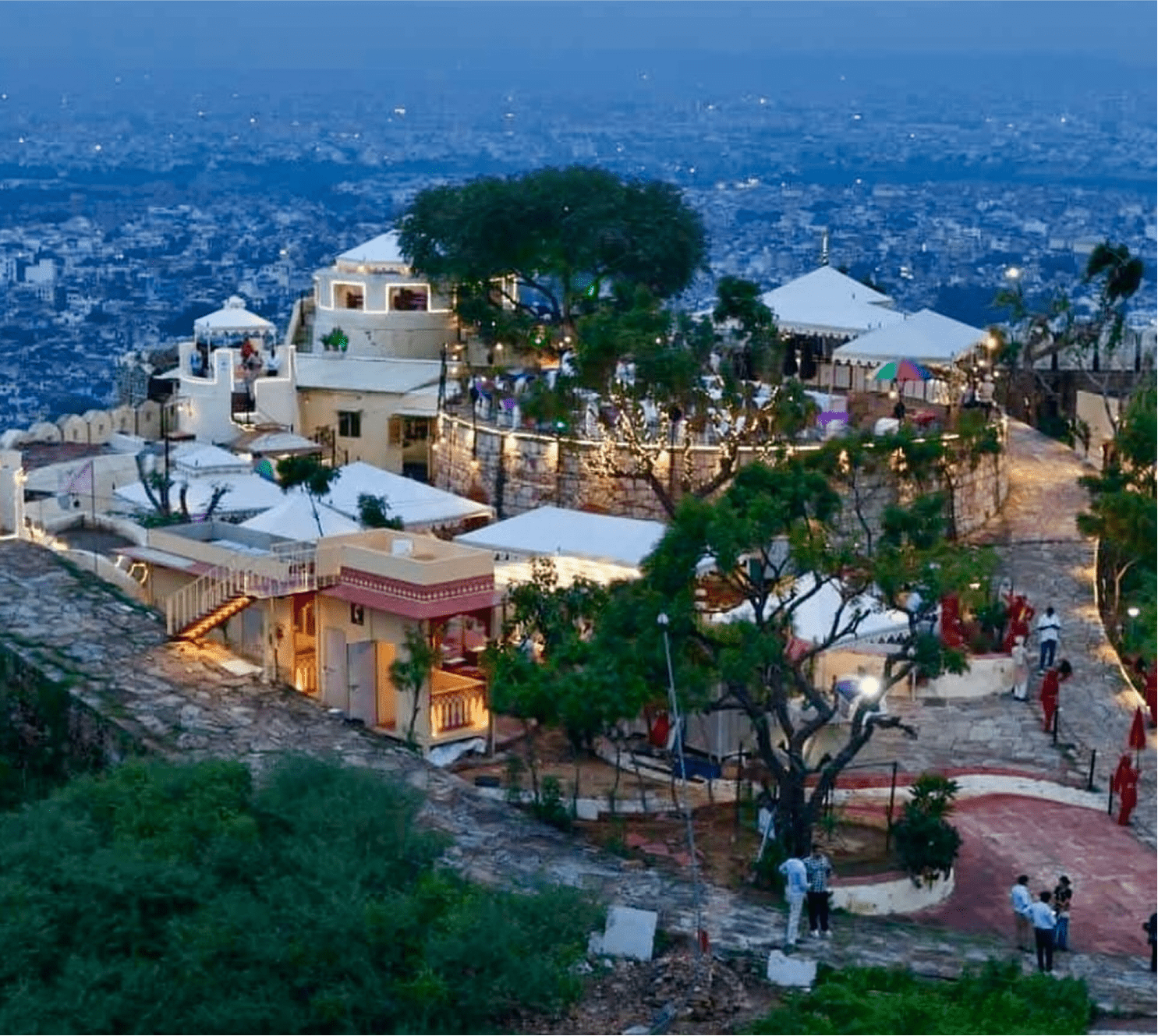
The image shows the Padao Cafeteria and Restaurant located atop the historic Nahargarh Fort in Jaipur, India.

Cafés & Restaurants

The fort features trendy rooftop restaurants and cafés, such as Padao Restaurant, offering panoramic views of Jaipur city, making it a popular spot for evening hangouts and candlelight dinners.
Visitor Information: Timings, Entry Fee & How to Reach

Essential details to help you plan your visit with ease.

Timings & Best Time to Visit

Entry Fee

How to Reach

Tips for Visiting Nahargarh Fort

fish

Nearby Attractions

Discover the notable sights and cultural landmarks located close to Nahargarh Fort.
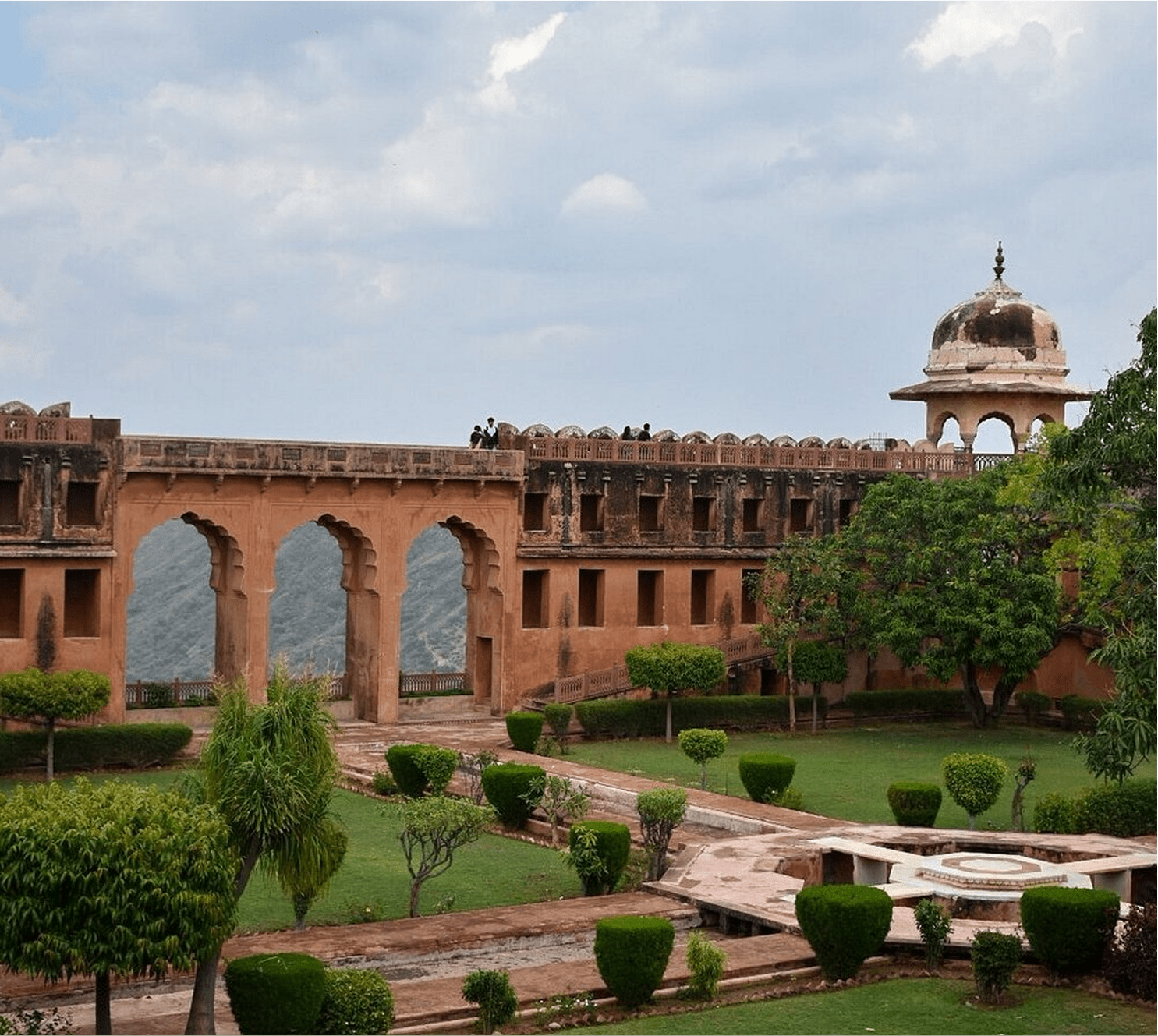
This is an image of the inner courtyard and garden of the Jaigarh Fort in Jaipur, Rajasthan, India.

Jaigarh Fort

5 km, famous for the world’s largest cannon on wheels (Jaivana).
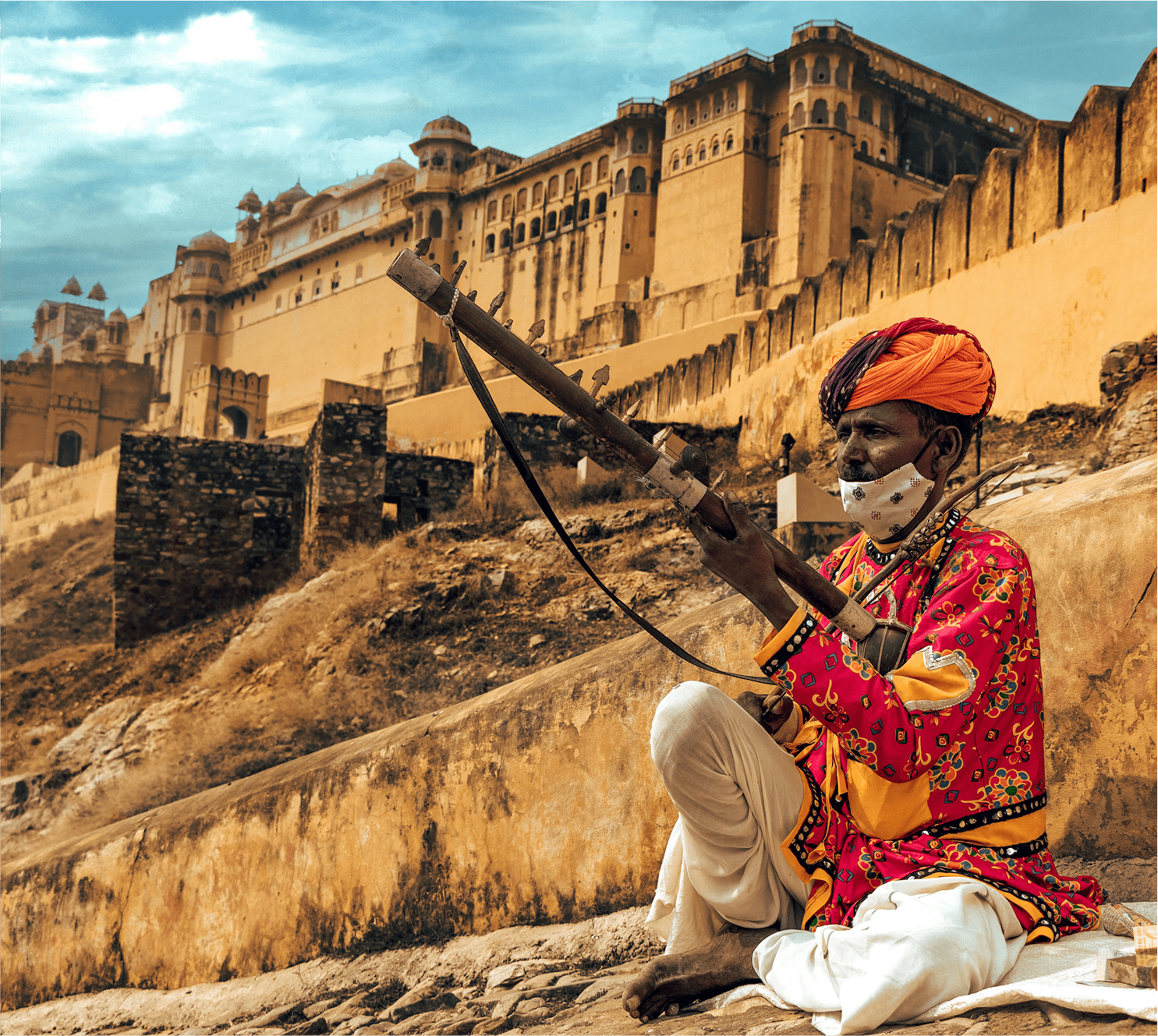
The image displays the Amer Fort (also known as Amber Fort), a UNESCO World Heritage site located near Jaipur, Rajasthan, India.

Amer Fort

10 km, UNESCO World Heritage site and architectural marvel.
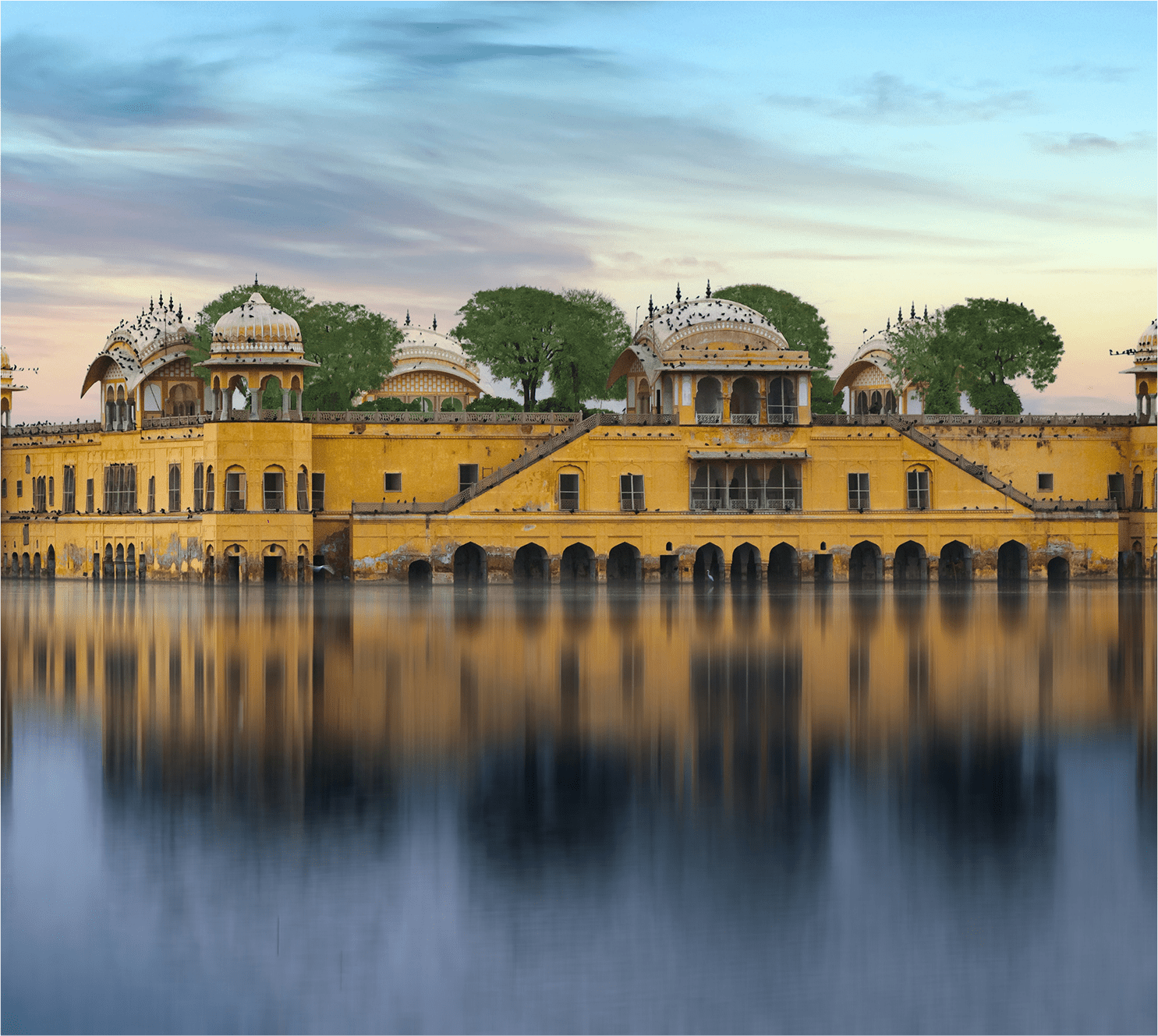
The image shows the Jal Mahal (Water Palace), a palace located in the middle of the Man Sagar Lake in Jaipur, India.

Jal Mahal

10 km, a palace floating on Man Sagar Lake.
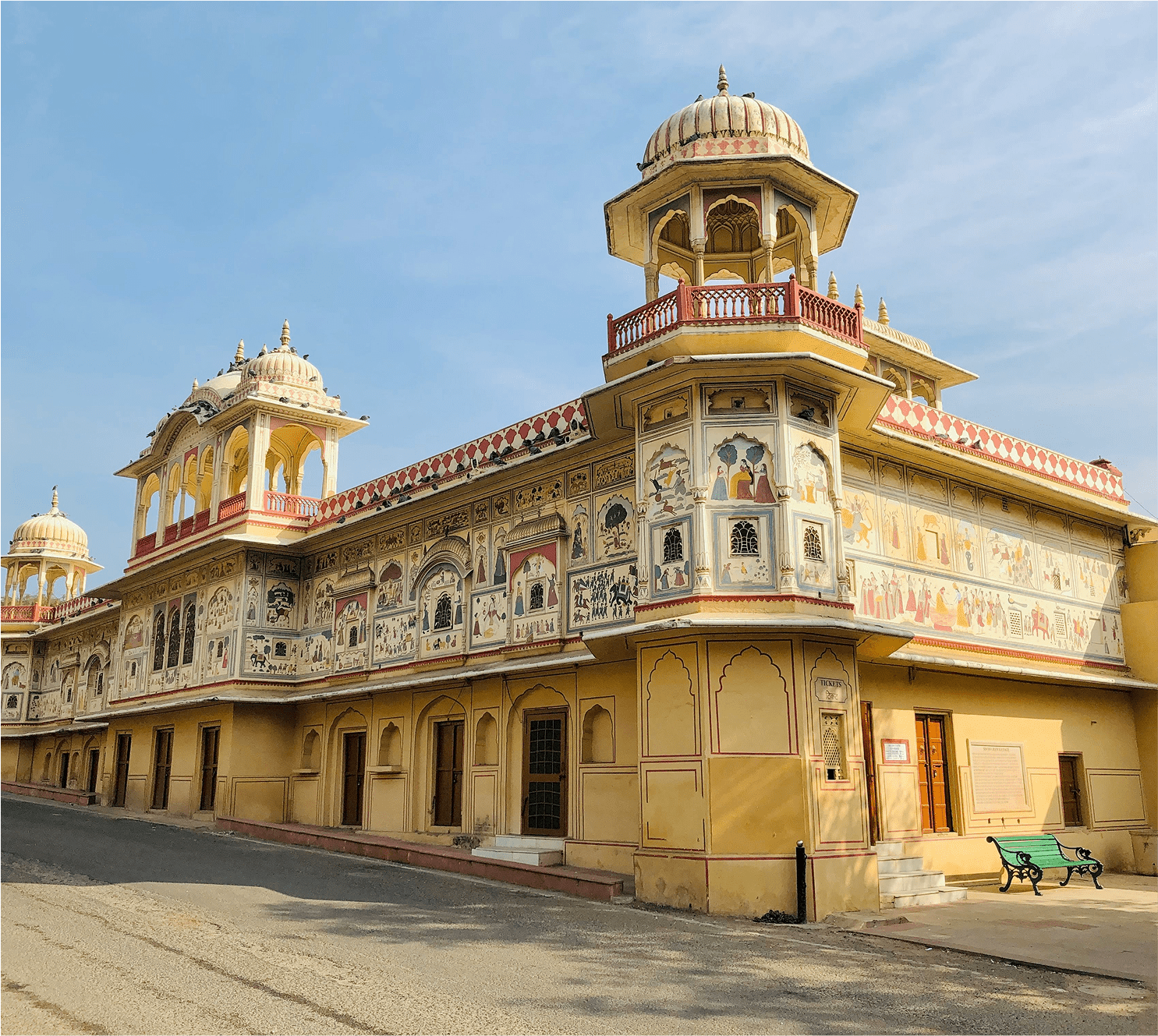
The image shows the Sisodia Rani Palace and Garden located in Jaipur, Rajasthan, India.

City Palace & Jantar Mantar

14 km, Jaipur’s historic core.

fish

Photography & Instagram Spots at Nahargarh Fort

The image shows a sunset view over Jaipur from the historic Nahargarh Fort, a popular tourist attraction known for its panoramic views.

Sunset Point

Panoramic views of Jaipur at golden hour.
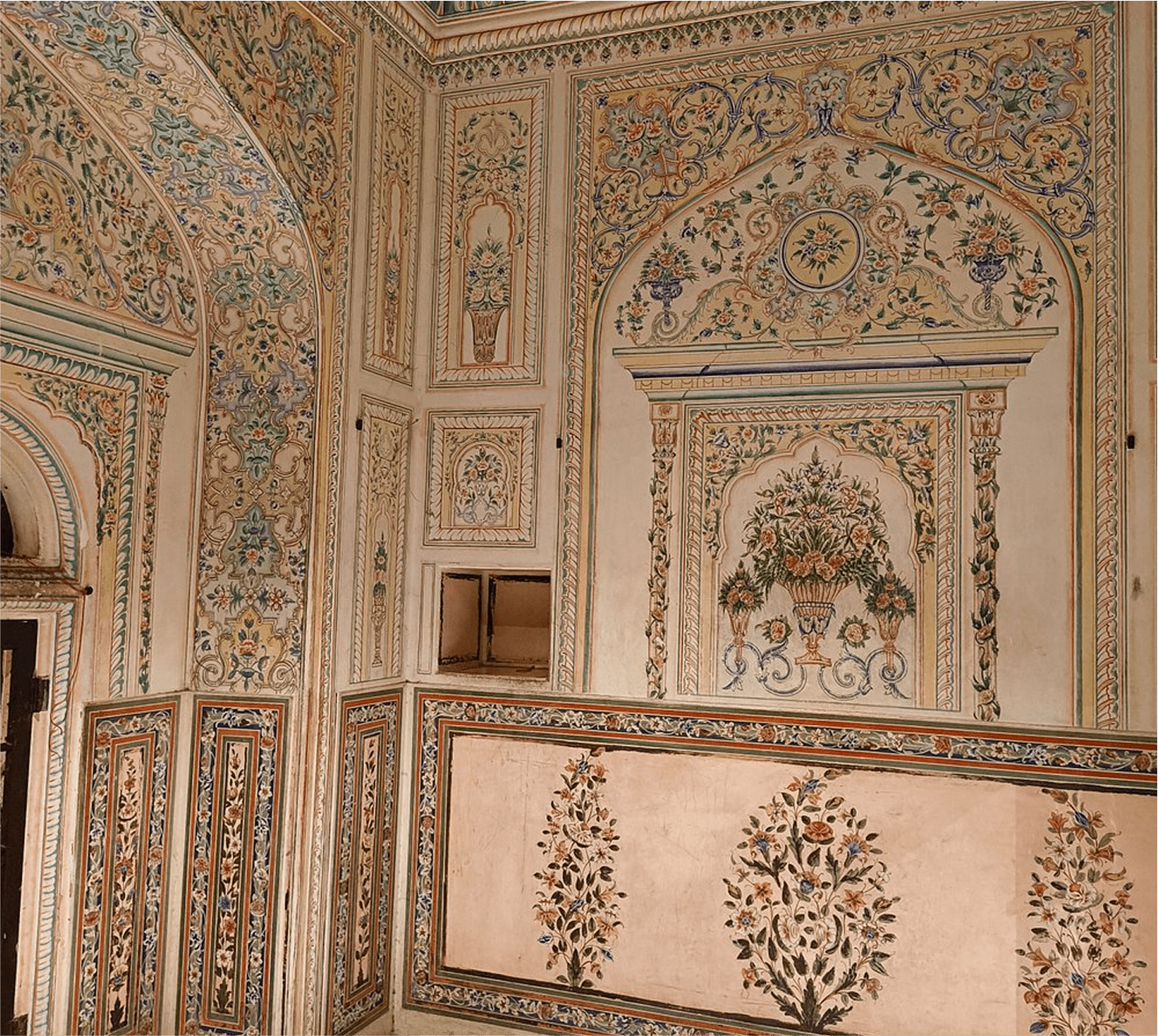
The image shows the intricate, traditional frescoes and artwork on the interior walls of the Nahargarh Fort in Jaipur, Rajasthan, India.

Madhavendra Bhawan Interiors

Intricate frescoes and arched corridors.
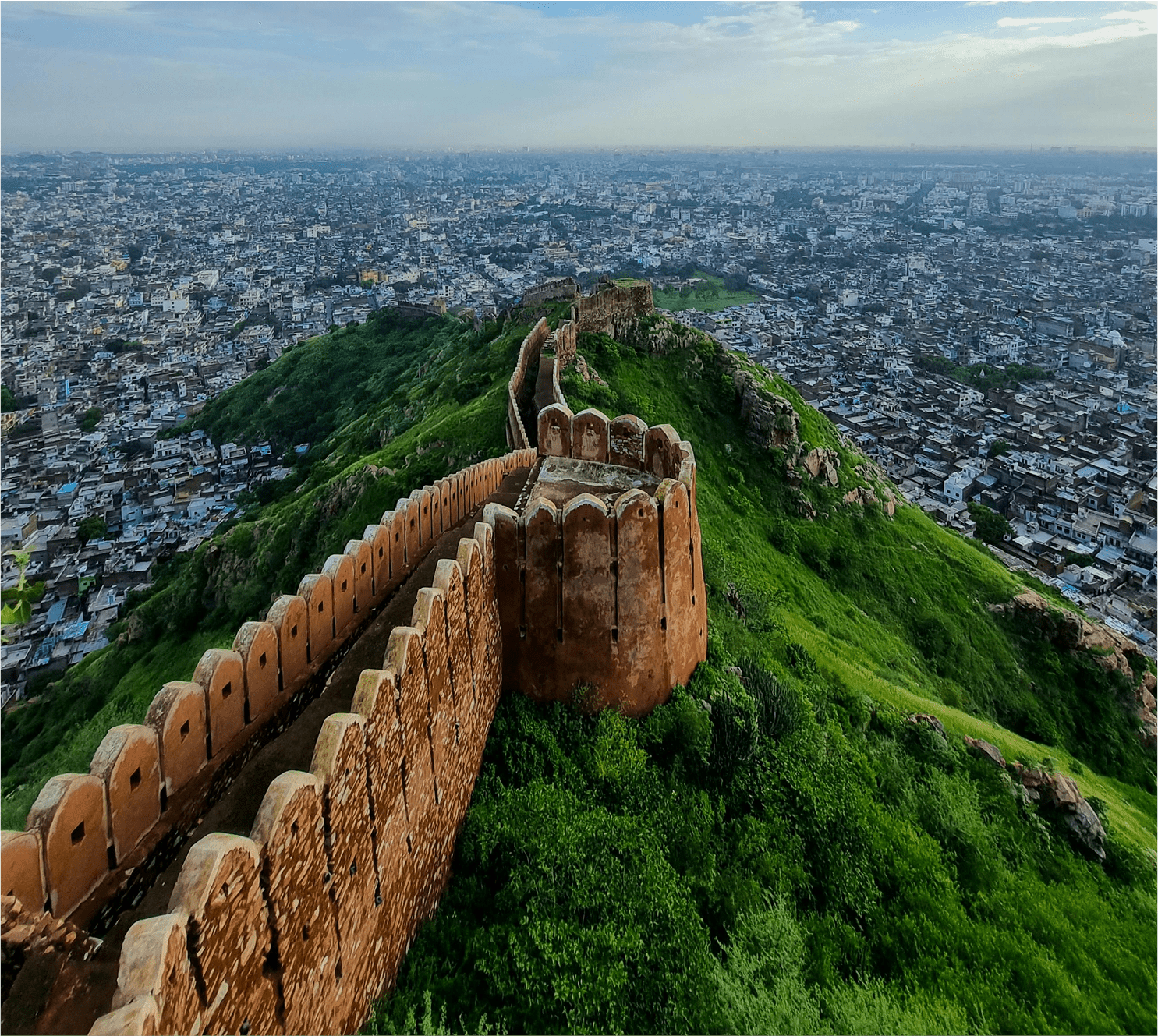
The image shows the historic ramparts of Nahargarh Fort, perched on the Aravalli Hills overlooking the city of Jaipur, India.

Fort Walls & Ramparts

Wide-angle shots of fort architecture against city views.
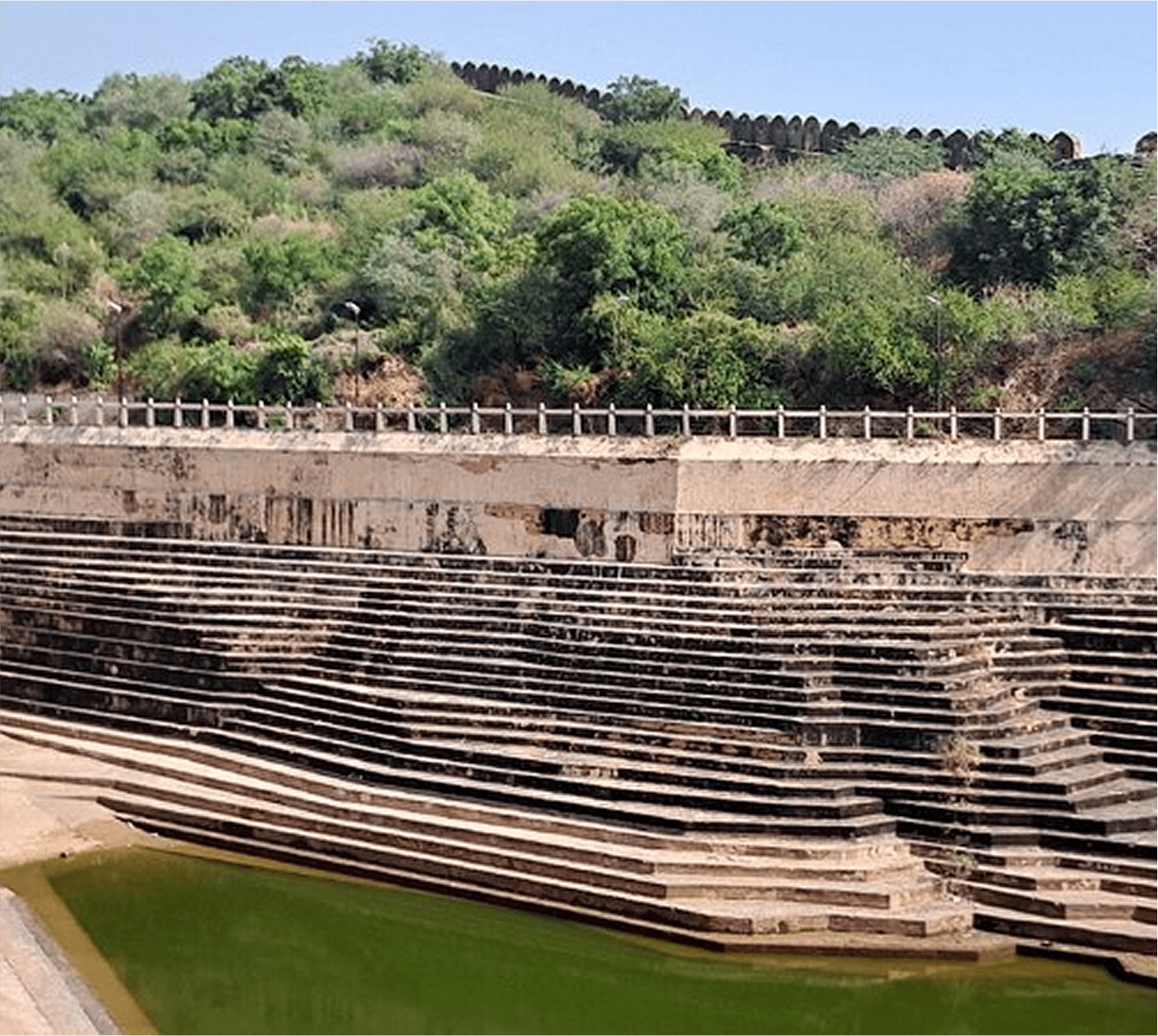
This image shows a water tank or stepwell located within the historic Nahargarh Fort in Jaipur, Rajasthan, India.

Step Wells

A rustic photography spot featuring geometric patterns.
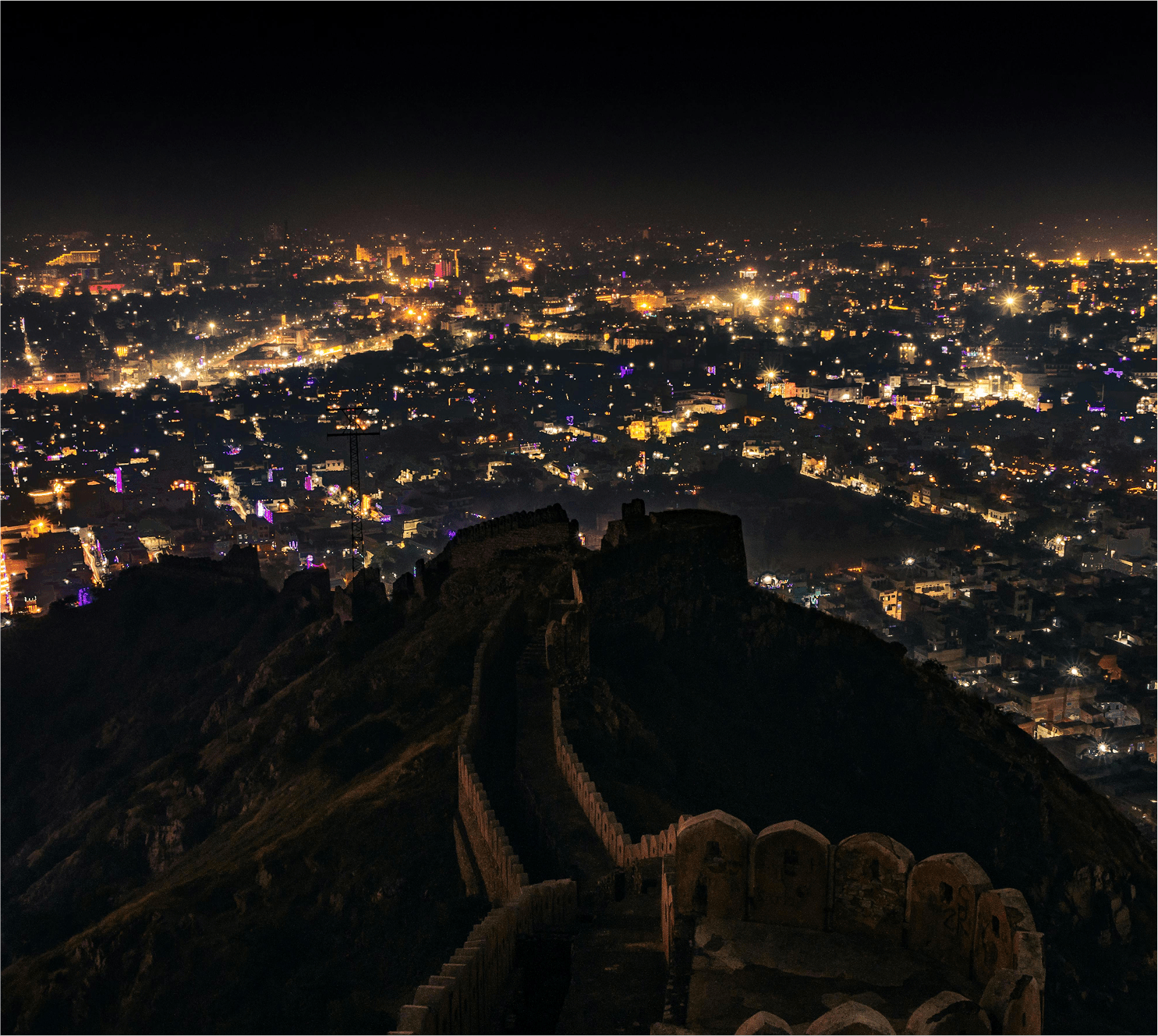
The image captures the panoramic night view of the city of Jaipur from the walls of Nahargarh Fort.

Evening Lights

Jaipur city sparkling at night, seen from the fort terrace.

Photography Tips:

FAQs

Find quick answers to common questions before planning your visit to Nahargarh Fort.
1. When was Nahargarh Fort built, and why?

Maharaja Sawai Jai Singh II built Nahargarh Fort in 1734, soon after founding Jaipur, as a hilltop retreat and part of the city’s wider defence system alongside Amer Fort and Jaigarh Fort.

The fort was originally named Sudarshangarh. Its present name comes from a legend that construction was disrupted by the spirit of Nahar Singh Bhomia, a local Rathore prince, until a temple was built in his memory inside the fort.

No, Nahargarh was never directly attacked. It did shelter European residents of Jaipur during the Revolt of 1857, and until 1944, a cannon fired from the fort served as the city’s official time signal.

Maharaja Sawai Madho Singh II commissioned the Madhavendra Bhawan in the late nineteenth century, adding a palace of matching suites for his queens and turning the fort from a defensive outpost into a royal retreat.

About 2-3 hours, including palace exploration and sunset viewing.
It is renowned for its panoramic views of Jaipur, beautiful palace interiors (Madhavendra Bhawan), and its role in Jaipur’s defence system.
Yes, it is a must-visit for history lovers, photographers, and those seeking Jaipur’s best sunset view.
₹50 for Indians, ₹200 for foreigners, and extra charges for cameras and the Wax Museum.
The fort closes by 6 PM, but Padao Restaurant inside remains open for dinner, allowing you to enjoy night views of Jaipur.
Late afternoon to sunset; October to March offers the most comfortable weather.

About 14 km from City Palace and 25 km from Jaipur Airport, both around a 30 to 50 minute drive depending on traffic.

Yes, the Jaipur Wax Museum and Sheesh Mahal are both inside the fort complex, with a separate entry ticket.

Yes, Padao Restaurant inside the fort provides open-air dining with sweeping city views, popular for an evening out.

Book your stay with us now