

Panna Meena ka Kund, Amer

lotus

Overview

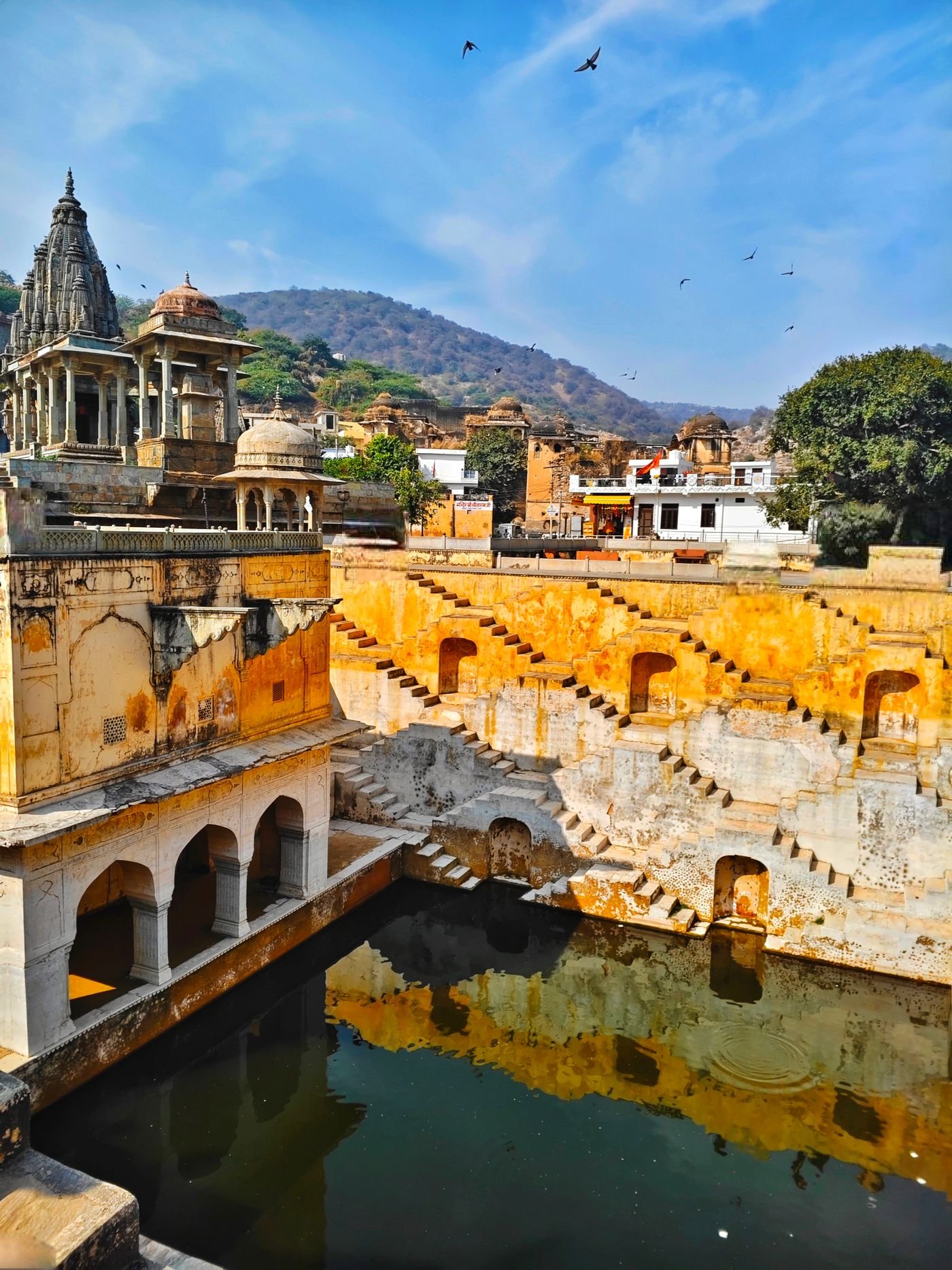
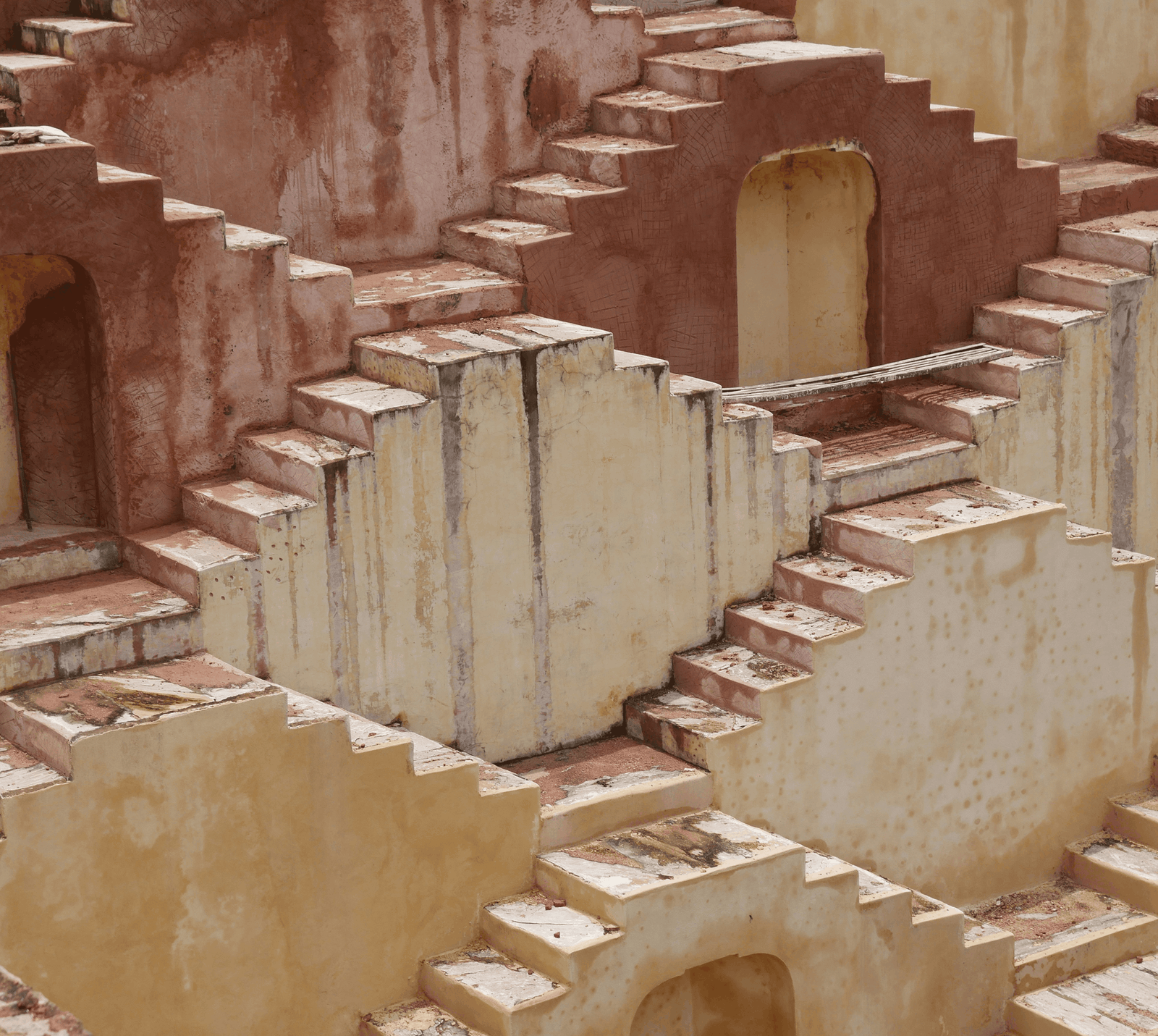
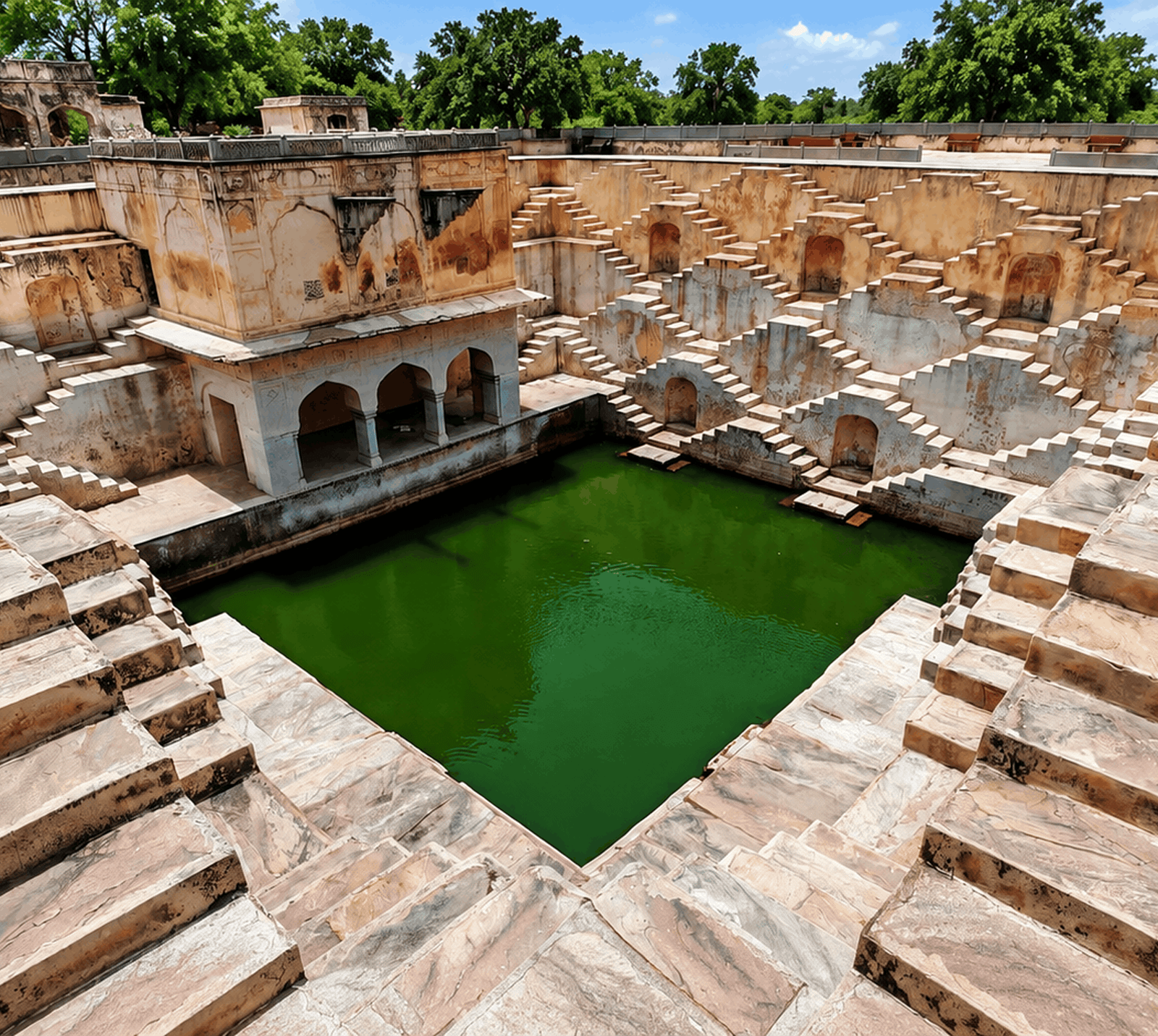
Panna Meena ka Kund is a 16th-century stepwell in the old town of Amer, a short walk from Amer Fort and about 10 km north of Jaipur. Also known as Panna Miyan ka Kund or Panna Meena ki Baori, this yellow sandstone baori is one of Rajasthan’s most photographed stepwells, famous for the crisscrossing symmetrical staircases that zigzag down its four walls in a near hypnotic pattern.

Built as part of Amer’s traditional water-harvesting system, the kund once supplied water for daily use and served as a cool communal gathering place during the long desert summers. Today it draws photographers, architecture enthusiasts, and travellers looking for a quieter stop near the fort, thanks to its geometric stepwell design, its octagonal chhatris, and its calm, uncrowded atmosphere.

The criss-cross stairways of Panna Meena ka Kund stepwell near Amer

Location

Amer, near Amer Fort, about 10 km north of Jaipur city centre

Timings

Roughly sunrise to sunset, commonly cited as around 6:00 AM to 7:00 PM, open daily

Entry Fee

Free

Time Required

30 minutes to 1 hour
lotus

What is the History of Panna Meena ka Kund?

Panna Meena ka Kund is a stepwell, or baori, in Amer, Jaipur, generally dated to the 16th century, when Amer was the capital of the Kachwaha Rajputs, before the city of Jaipur was founded. It was built as a rainwater-harvesting tank and community water source for the arid climate of the region, and takes its name from Panna Miyan, usually described as a figure connected with the court of Amer. Much of its early history is undocumented, which is why it is known by several spellings and carries more than one legend about its origin.
Local accounts differ on exactly who Panna Miyan was. One tradition describes him as an official in the royal court of Amer during the reign of Maharaja Jai Singh, credited with commissioning or maintaining the stepwell; another ties the name to the Meena community, the earlier inhabitants of the Amer region, suggesting the kund honours a Meena warrior or chieftain. What is not in doubt is its purpose: like other stepwells of Rajasthan and Gujarat, it was built to reach groundwater year-round, store monsoon rain, and give the people of Amer a shaded, cooler place to collect water and gather, a role it filled for centuries before being preserved as a heritage site.

Panna Meena ka Kund Through the Centuries

Architecture of Panna Meena ka Kund

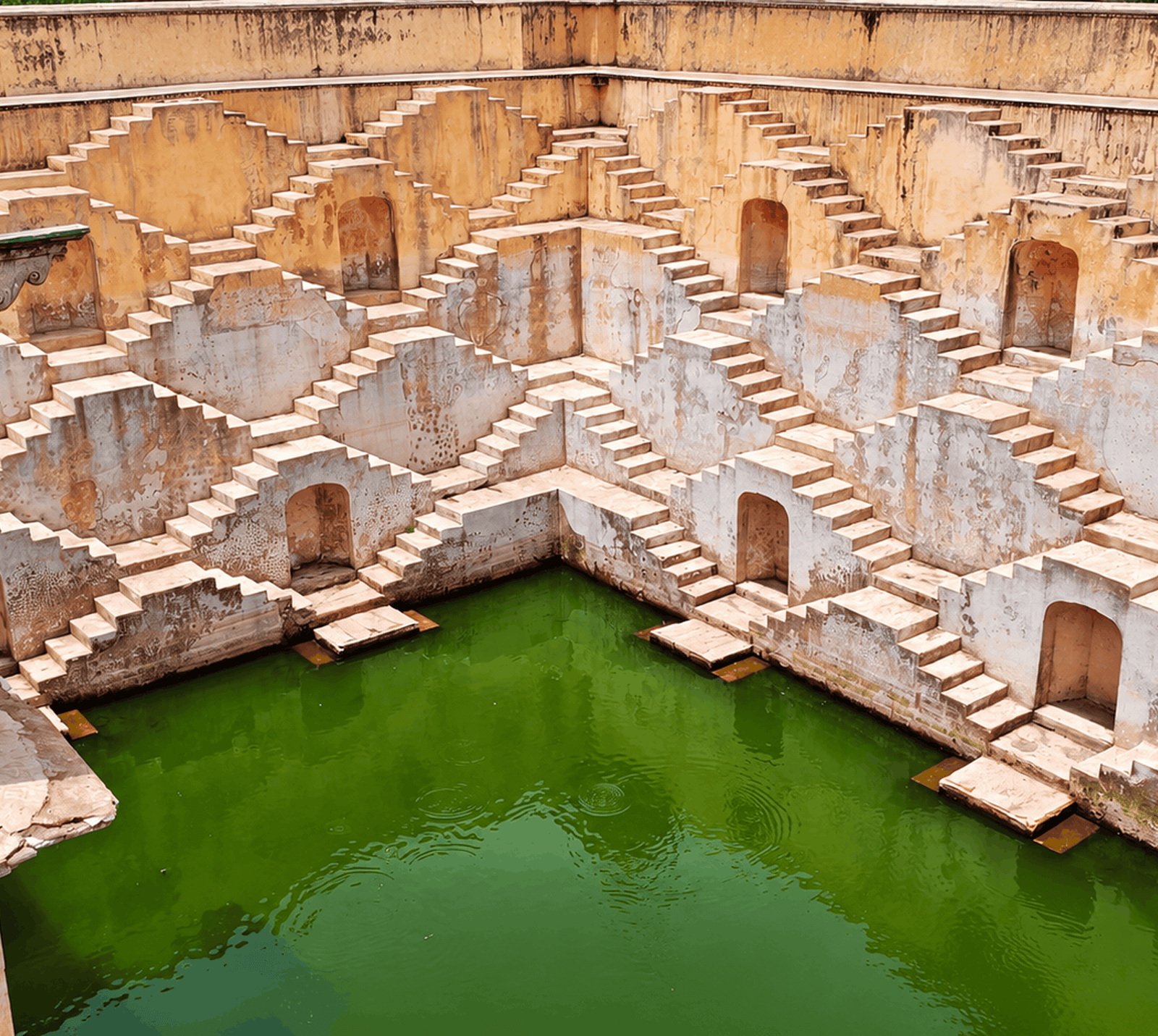
Panna Meena ka Kund is a square stepwell of eight levels, its walls lined with flights of symmetrical, crisscrossing steps that descend to the water in a zigzag, maze-like pattern. The steps run down three sides of the tank, leaving the fourth given over to a multi-storey structure with niches and a small room, and the whole arrangement is built from the yellow sandstone that gives the kund its warm colour. Reports of its exact scale vary, with the depth variously described as around 20 metres or deeper, but the effect is consistent: a deep, geometric well that seems to fold in on itself when viewed from the top corners.
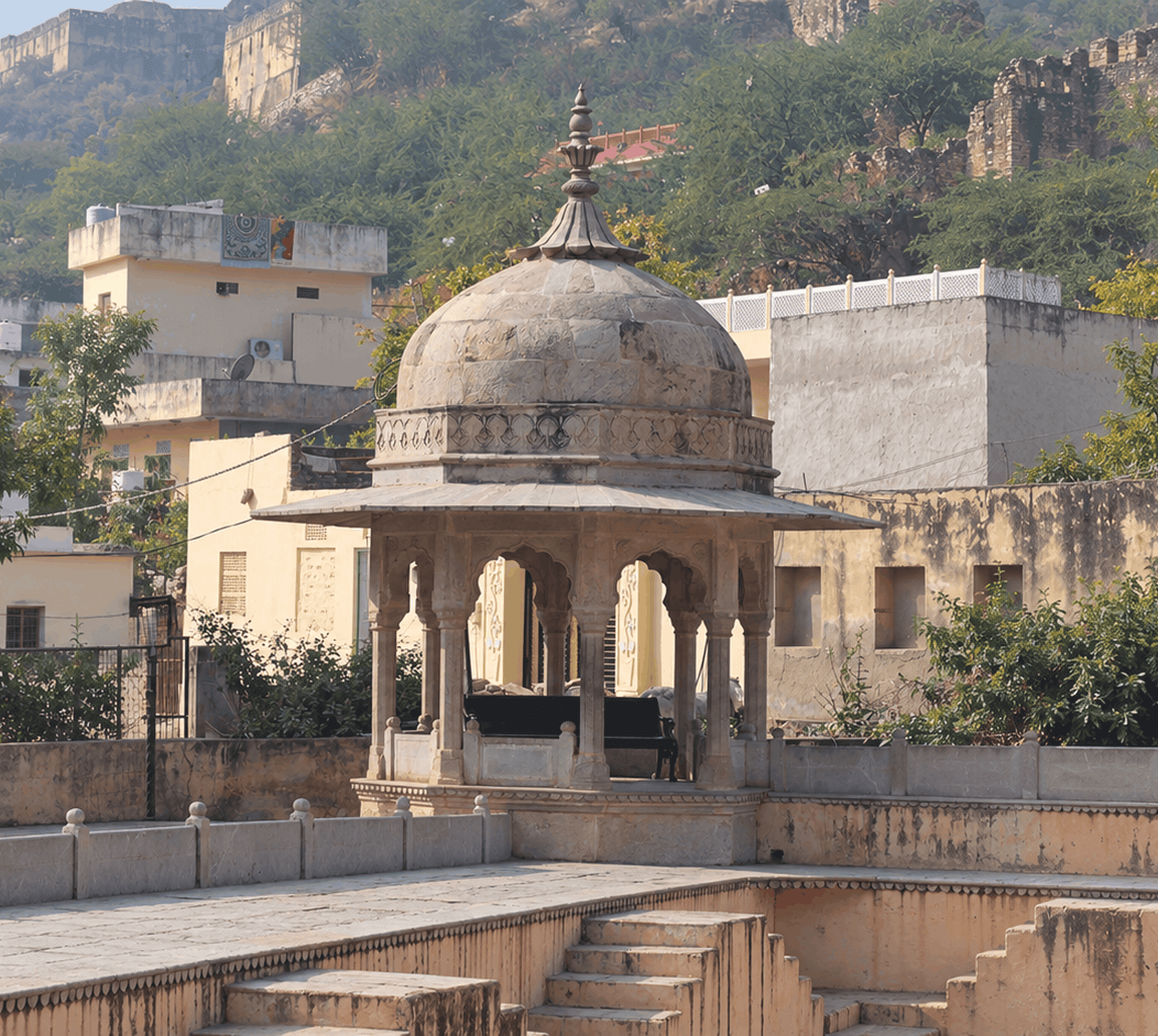
The design is as practical as it is striking. The stepped sides allowed people to reach the water at whatever level it stood, falling in the dry months and rising through the monsoon, while an octagonal chhatri, a domed pavilion, sits at each of the four corners to provide shade and a place to rest. A local saying holds that no two people can climb up and down by the same flight of steps, a quirk of the symmetrical layout that has become part of the kund’s mystique. Stepping down into the well, the temperature drops noticeably, the natural cooling effect that made these baoris such valued gathering places in the desert heat.
fish

Main Attractions and Highlights at Panna Meena ka Kund

A quick overview of the features worth your attention at the temple.
The Symmetrical Staircases

The Symmetrical Staircases

The defining feature of Panna Meena ka Kund is its network of crisscrossing stone staircases, which descend the walls in a perfectly symmetrical zigzag. Seen from the upper edge, the steps form a mesmerising geometric pattern that has made the kund one of the most photographed stepwells in Rajasthan.
Octagonal Chhatris

Octagonal Chhatris

An octagonal chhatri, or domed pavilion, stands at each of the four corners of the tank. These provided shade and a place to sit for those who came to collect water, and they frame the stepwell's symmetry from above.
The Eight Level Design

The Eight-Level Design

The kund descends in eight storeys, built so that water could be reached at any level as it rose and fell with the seasons. Niches and small platforms are set between the stair levels, adding to both the design and the structure's usefulness.
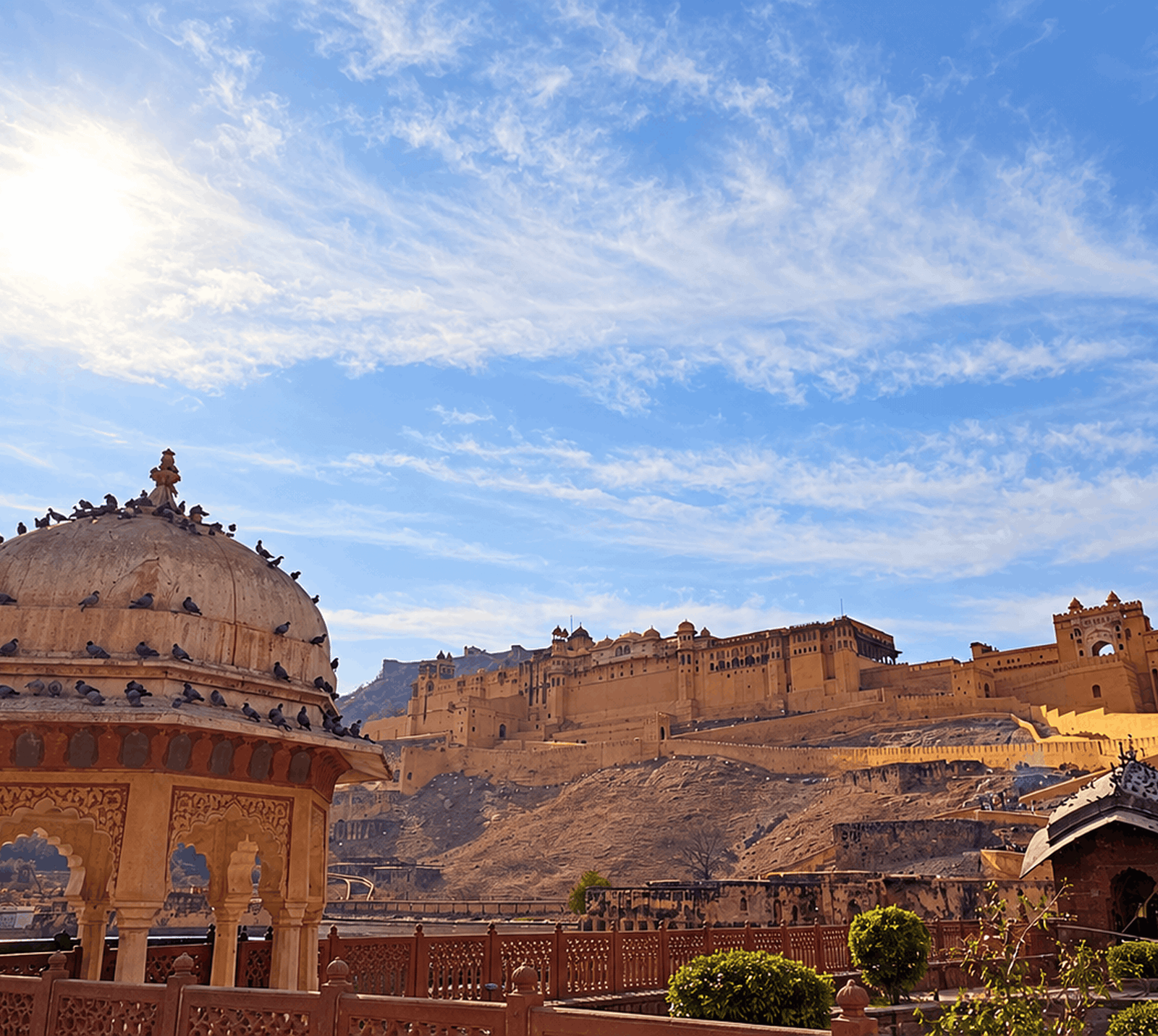
A Quiet Alternative to Amer Fort

A Quiet Alternative to Amer Fort

Unlike the busy Amer Fort just up the road, Panna Meena ka Kund is usually calm and uncrowded, which is a large part of its appeal. It makes a peaceful, atmospheric stop for those wanting a few minutes of quiet and some of the best stepwell photography in Jaipur.
A Popular Filming and Photo Location

A Popular Filming and Photo Location

The kund's dramatic geometry has made it a favourite backdrop for photo shoots and film crews, and it is a well-known spot for travel and fashion photography. Its proximity to Amer Fort makes it easy to combine the two in a single morning.
Visitor Information for Panna Meena ka Kund

Essential details to help you plan your visit with ease.

Best Time to Visit City Palace

Entry Fee

How to Reach

Tips for Visiting Panna Meena ka Kund

Planning your visit to the Galtaji Temple with these practical tips will enhance your experience:
fish

Nearby Attractions to Panna Meena ka Kund

Discover the notable sights and cultural landmarks located close to Panna Meena ka Kund.
Galtaji Temple in Jaipur by taking a taxi, auto-rickshaw, or Uber from the city center

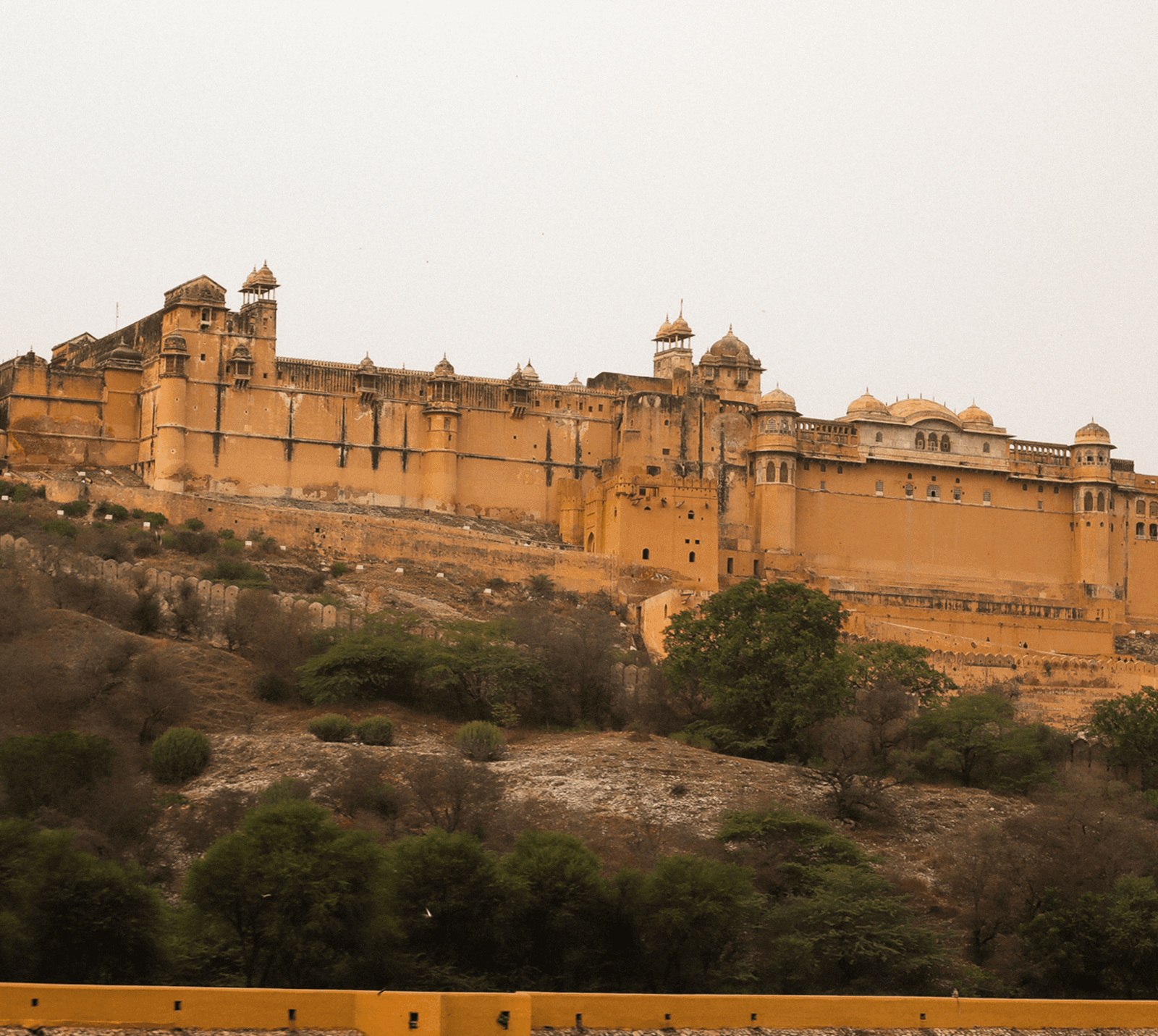
Amer Fort

The UNESCO-listed hill fort of the Kachwaha dynasty, about 1 km away, with its Sheesh Mahal, Ganesh Pol, and sweeping views over Maota Lake.
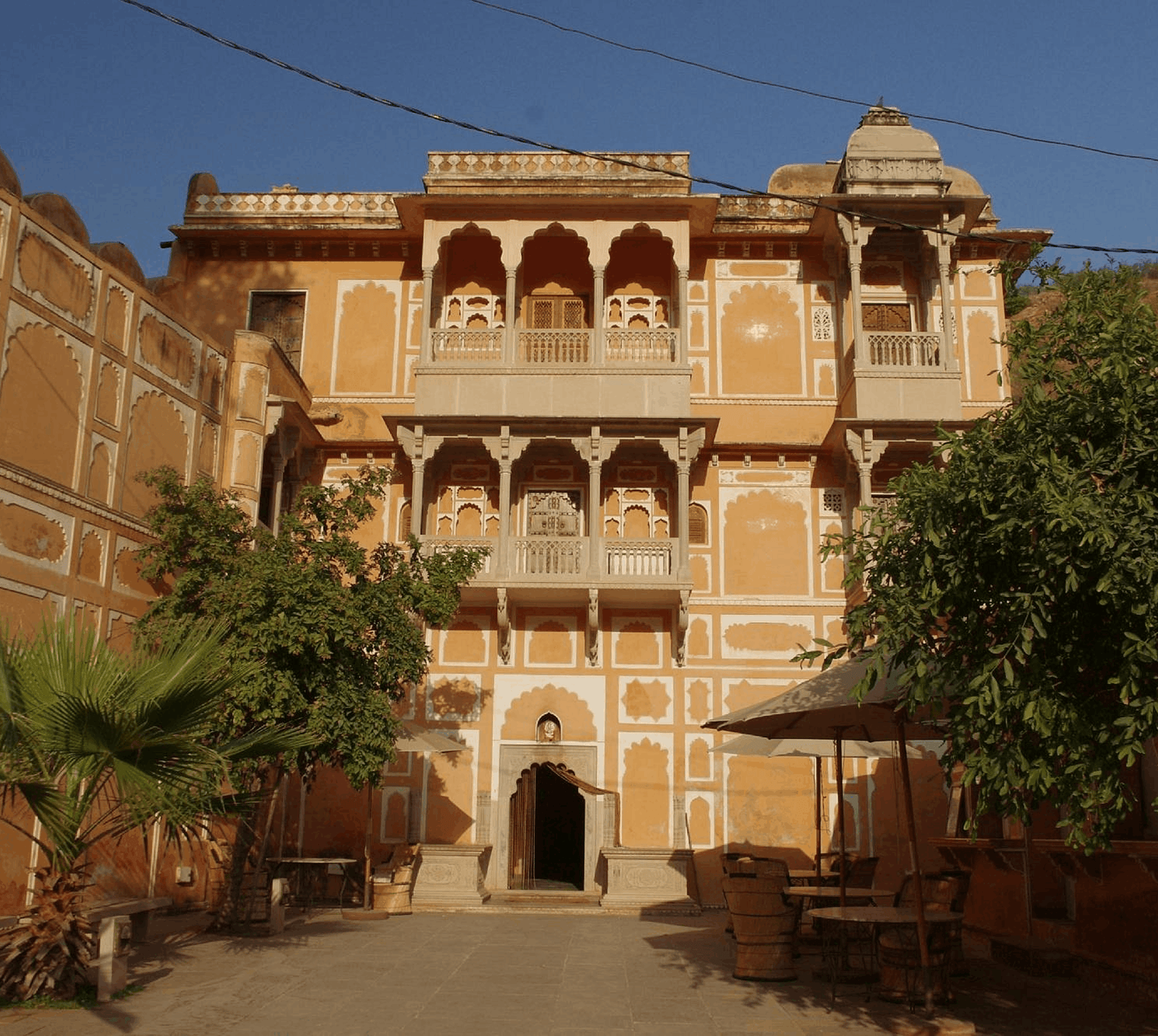
Anokhi Museum of Hand Printing, located in a restored 400-year-old haveli near Amber Fort in Jaipur, India.

Anokhi Museum of Hand Printing

Housed in a restored haveli close to the kund, this museum traces the craft of hand block printing through textile displays, demonstrations, and an archive of carved blocks.
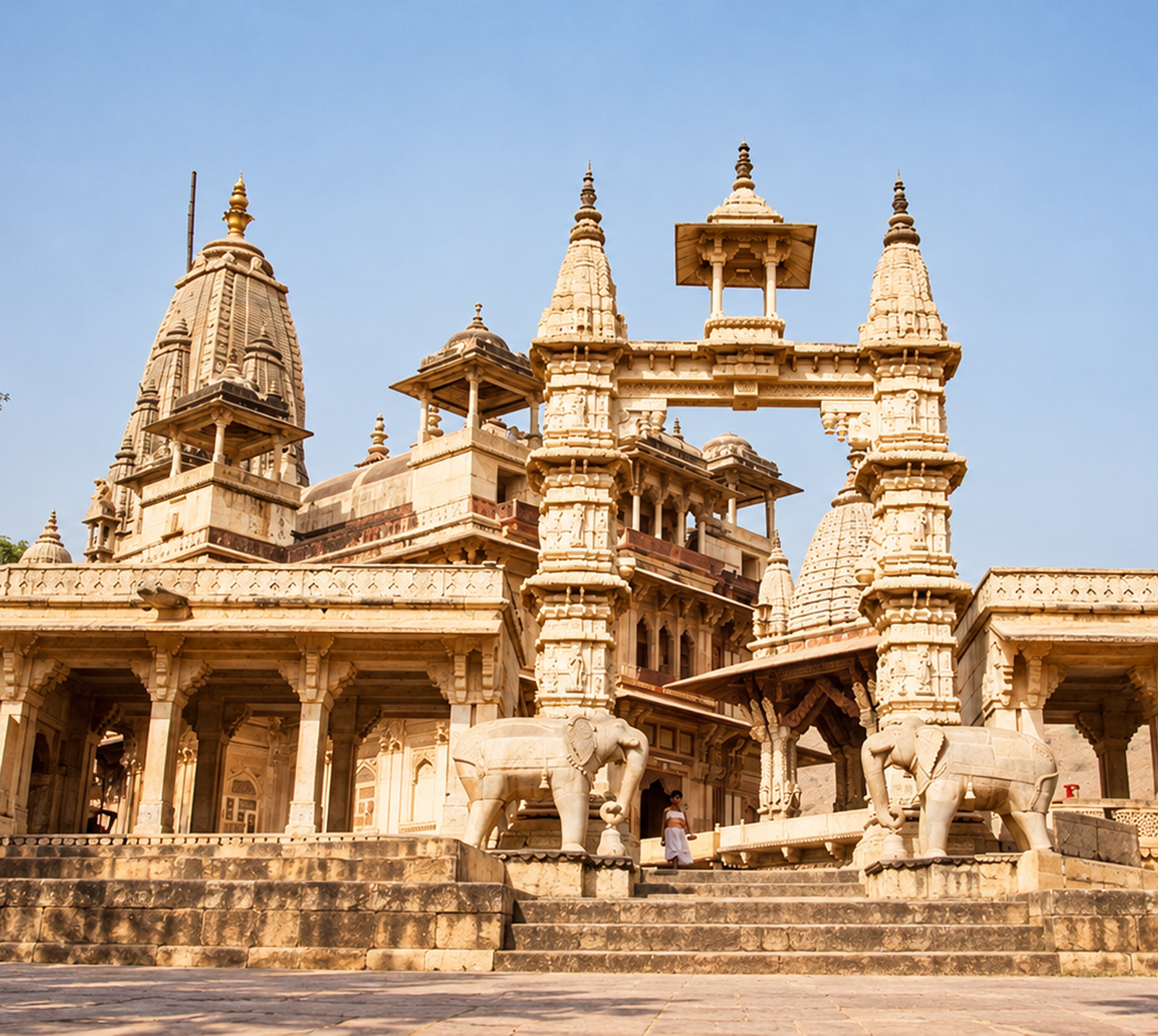
Jagat Shiromani Temple

Jagat Shiromani Temple

A 16th to 17th century temple in Amer town dedicated to Krishna and Meera Bai, known for its carved torana gateway and marble work.
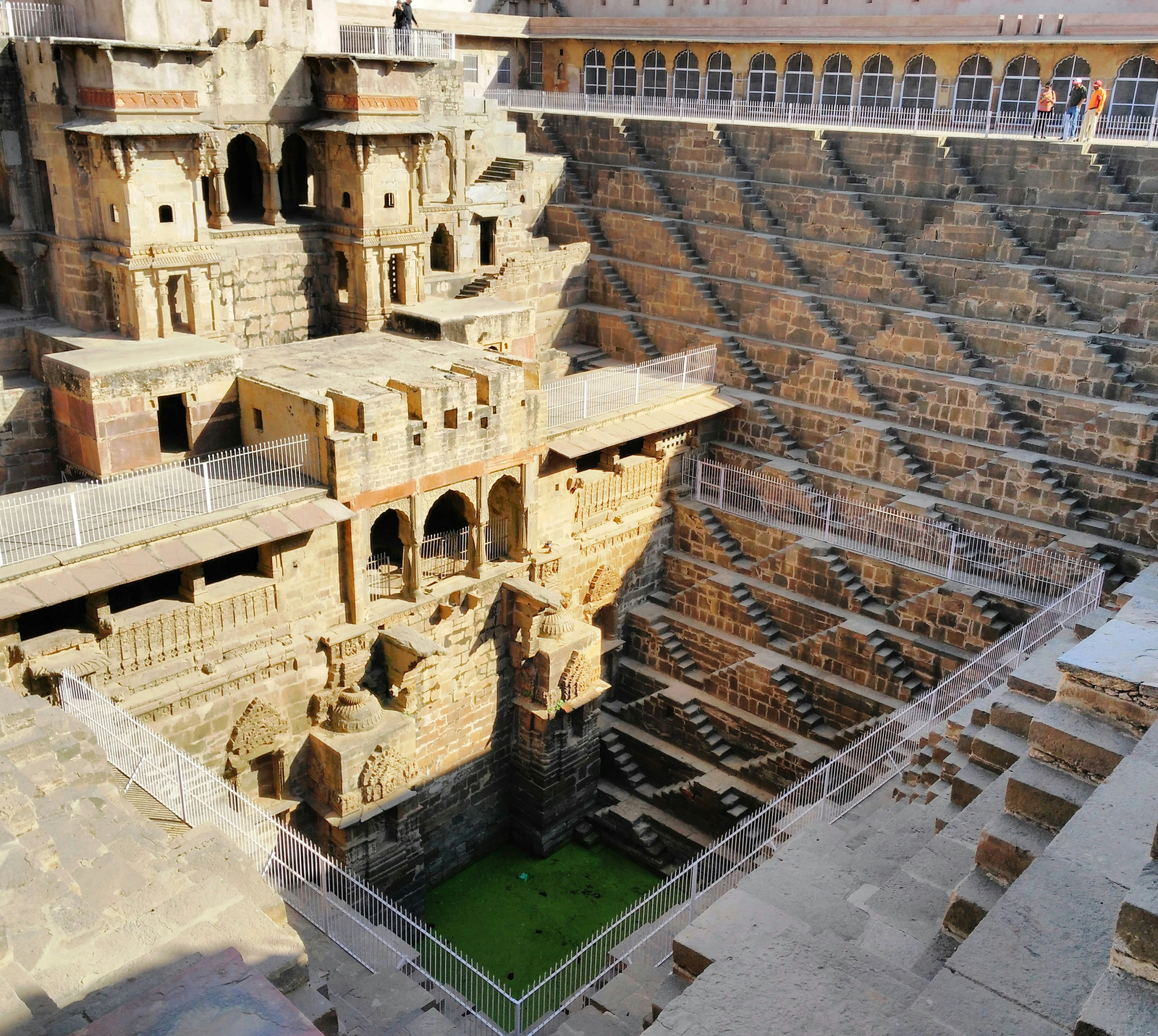
Chand Baori

Panna Meena ka Kund vs Chand Baori

Visitors often compare this kund with Chand Baori at Abhaneri. Panna Meena ka Kund is the smaller and more accessible of the two, close to Amer Fort, while Chand Baori is far larger, older, and about 95 km from Jaipur. Seeing both gives a fuller picture of Rajasthan's stepwell tradition.

Suggested Itinerary

Begin a morning in Amer at Panna Meena ka Kund while the light is soft and the steps are quiet, then walk up to Amer Fort for the main sightseeing, stopping at the Anokhi Museum of Hand Printing and Jagat Shiromani Temple before heading back towards Jaipur for lunch.

FAQs

Find quick answers to common questions before planning your visit to Panna Meena ka Kund.
1. Who built Panna Meena ka Kund, and when?
The stepwell is generally dated to the 16th century, when Amer was the Kachwaha Rajput capital. Its early history is largely undocumented, but it is traditionally linked to Panna Miyan, a figure associated with the court of Amer.
Kund and baori both mean stepwell or water tank. The name is usually traced to Panna Miyan, described in one tradition as a court official under Maharaja Jai Singh and in another as a figure connected to the Meena community, the earlier inhabitants of the Amer region.
It was built as a rainwater-harvesting tank and community water source for the arid climate of Amer, storing monsoon rain and providing water, shade, and a gathering place through the dry season, in the same tradition as other stepwells across Rajasthan and Gujarat.

No. Panna Meena ka Kund dates to around the 16th century, while Chand Baori at Abhaneri is much older, traditionally traced to the 8th to 9th centuries. Panna Meena ka Kund is, however, far closer to Jaipur and to Amer Fort.

It is famous for its perfectly symmetrical, crisscrossing staircases and eight-level geometric design, which make it one of the most photographed stepwells in Rajasthan, as well as for its quiet setting near Amer Fort.
No, descending the steps is no longer permitted, and a guard is usually on hand to enforce the rule. Visitors view and photograph the kund from the top edge.
No, entry is free for all visitors.
The kund is generally open from around sunrise to sunset, commonly cited as roughly 6:00 AM to 7:00 PM, every day.
It is about 1 km from Amer Fort, an easy walk or a few minutes by auto, which makes it simple to combine the two.
Early morning is best for soft light, sharp shadows on the steps, and the fewest crowds. October to March offers the most comfortable weather for walking around Amer.
Yes, especially for those interested in photography, architecture, or Rajasthan’s traditional water systems. It is quick to see, free to enter, and a short walk from Amer Fort, making it an easy and rewarding addition to an Amer itinerary.

Book your stay with us now