

Sisodia Rani Garden

lotus

Overview

Sisodia Rani Garden in Jaipur also known as Sisodia Rani ka Bagh, is one of Jaipur’s most graceful heritage gardens, laid out in tiers against the backdrop of the Aravalli hills. Located on the Jaipur-Agra Road at Ghat Ki Guni, about 10 kilometres from the city centre, it was built in 1728 by Maharaja Sawai Jai Singh II, the founder of Jaipur, as a gift for his second queen.

With its multi-level terraces, flowing water channels, painted pavilions and walls covered in Radha-Krishna murals, Sisodia Rani Garden pairs the symmetry of a Mughal garden with the artistry of Rajput painting. Designed as a calm retreat away from the affairs of court, it remains one of the most romantic tourist places in Jaipur and a rewarding stop on any list of places to visit in Rajasthan.

Location

Jaipur-Agra Road, Ghat Ki Guni, about 10 km from Jaipur city centre and 7 km from Dera Mandawa

Timings

Open daily from 8:00 AM
Closing time varies by season, generally between 5:00 PM and 8:00 PM, so it is worth confirming locally before you visit

Entry Fee

Indian Visitors – 50
Foreign Visitors – 200
Young children – Free entry
Students – Concessional rate with valid ID

Time Required

1 to 2 hours, a little longer for photography
lotus

History & Significance of Sisodia Rani Garden

Sisodia Rani Garden was commissioned in 1728 by Maharaja Sawai Jai Singh II, the ruler who founded and planned the city of Jaipur. He built it for his second queen, a princess of the Sisodia clan of Udaipur, whose marriage to the Maharaja sealed a political alliance between the royal houses of Jaipur and Mewar. The Sisodia line traces its descent from the Suryavanshi, or Sun dynasty, Rajputs of Mewar, and the garden takes its name from her.
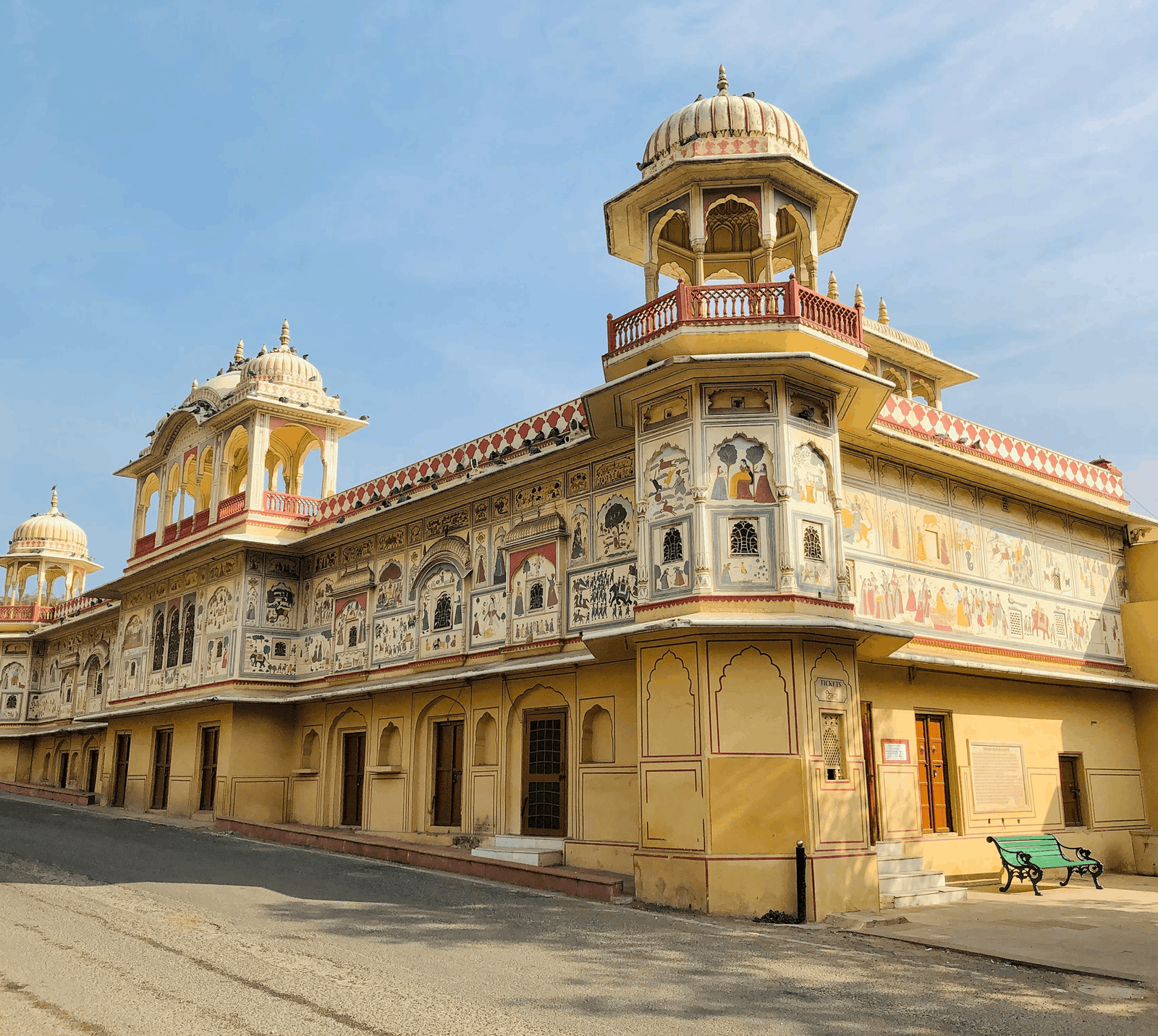
The design follows the Mughal Charbagh style, a four-part garden divided by walking paths and water channels, set out here across descending terraces and combined with distinctly Rajput decoration. Fountains and watercourses run through the centre, flowerbeds line the levels, and shaded pavilions sit along the paths. A double-storeyed palace crowns the top terrace, its inner walls painted with murals from the life of Krishna, scenes of Radha and Krishna, and royal hunting subjects.
The garden was intended as a private escape for the queen, a place to enjoy greenery and calm away from the politics of the royal court.
The Bollywood film Lamhe, starring Anil Kapoor and Sridevi, was shot here in 1991. Set slightly apart from the busier palaces in Jaipur, it makes a gentle contrast to a day of forts and city monuments, and earns its place on any Jaipur sightseeing route.
fish

Main Attractions & Exhibits at Sisodia Rani Garden

A quick overview of the key highlights worth your attention.
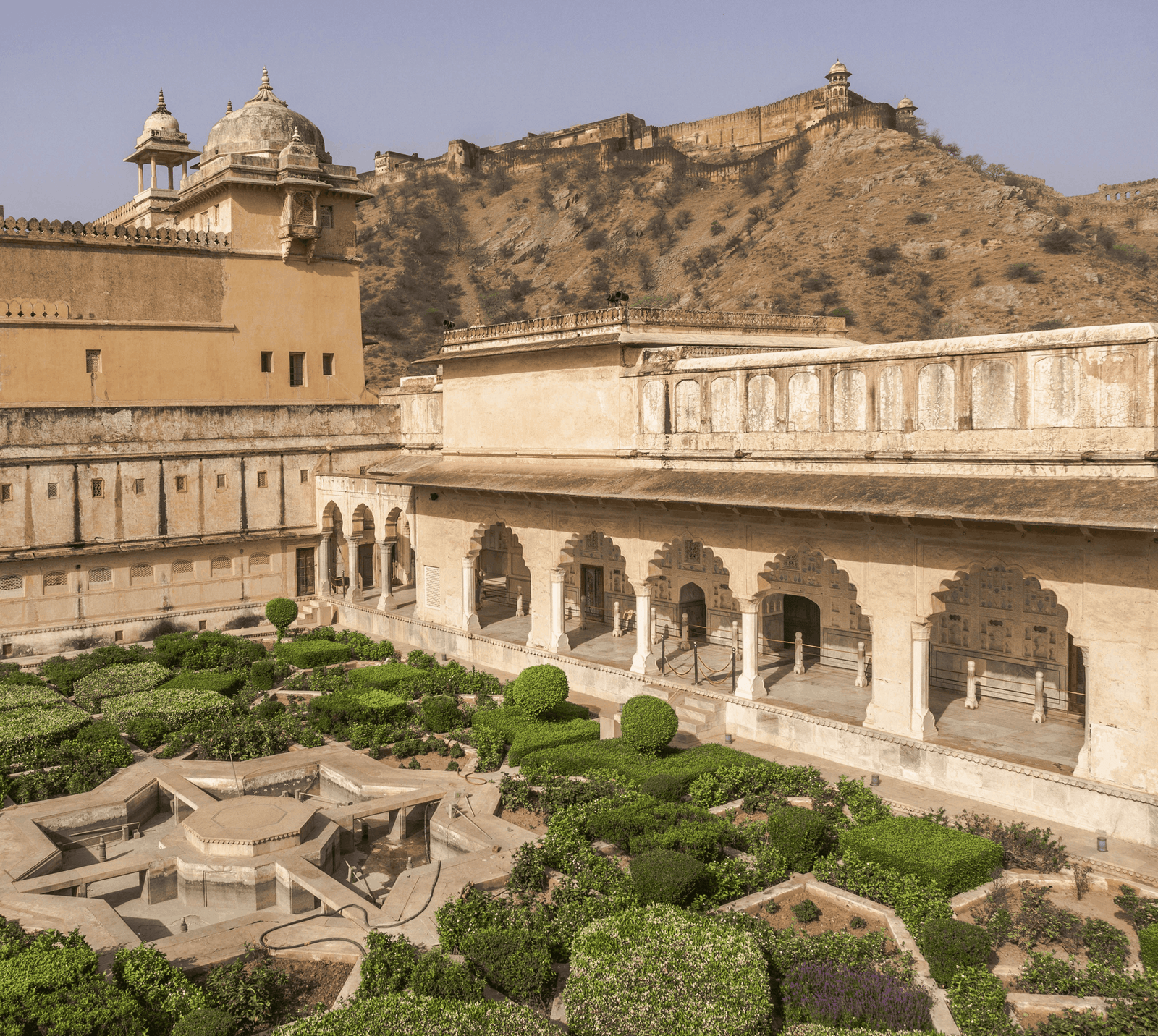
Aram Bagh, located within the Amber Fort in Jaipur, Rajasthan

The Terraced Gardens

The garden descends in landscaped tiers, each planted with lawns, flowerbeds and fragrant shrubs, giving open views across the greenery to the Aravalli hills beyond.
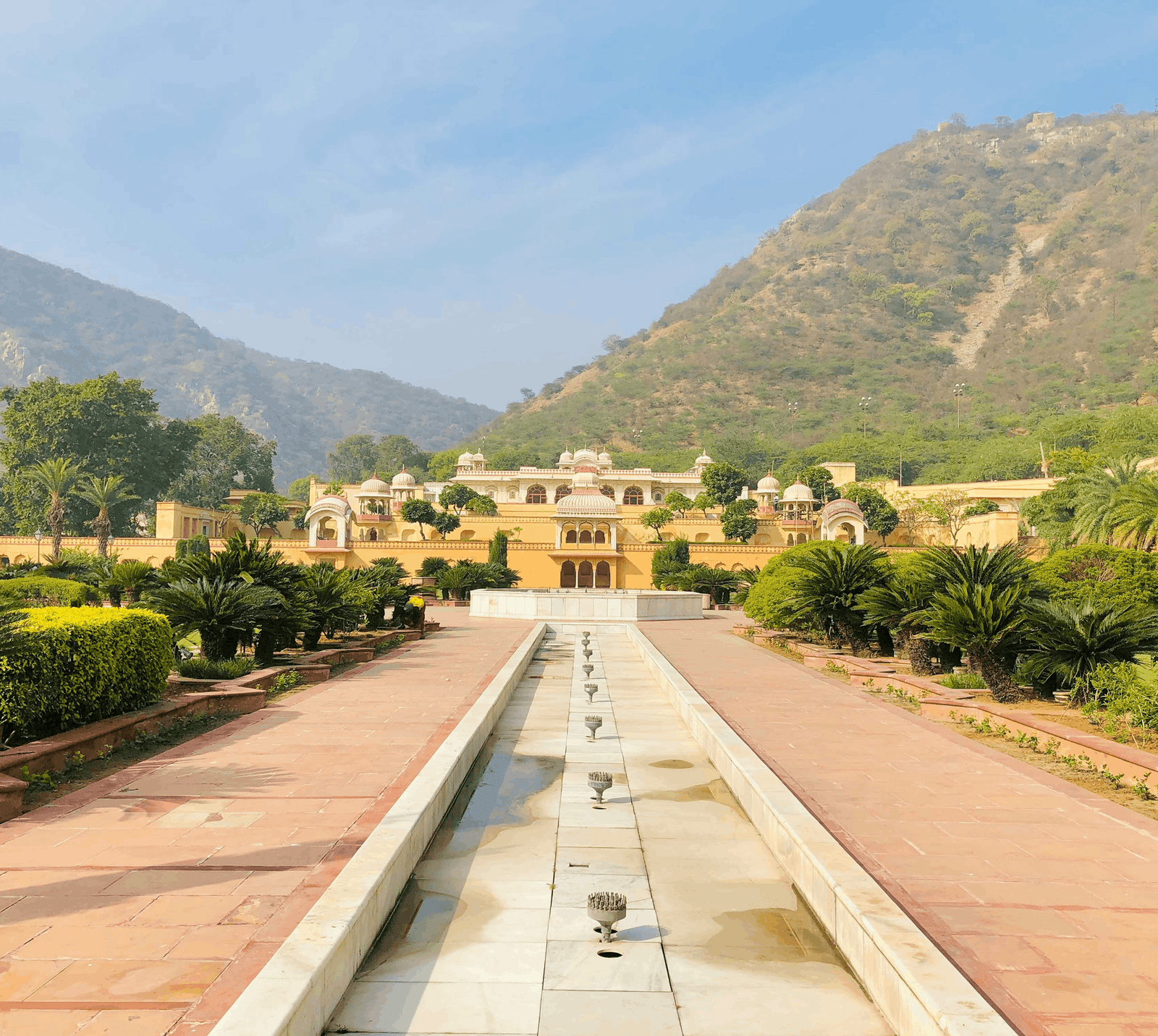
Sisodia Rani Palace and Garden in Jaipur, a historic multi-tiered garden built in 1728.

Fountains and Water Channels

Watercourses and fountains run down the central axis in the Mughal manner, once designed to keep the queen's retreat cool through the Rajasthan summer.
Sisodia Rani Garden and Palace in Jaipur, Rajasthan

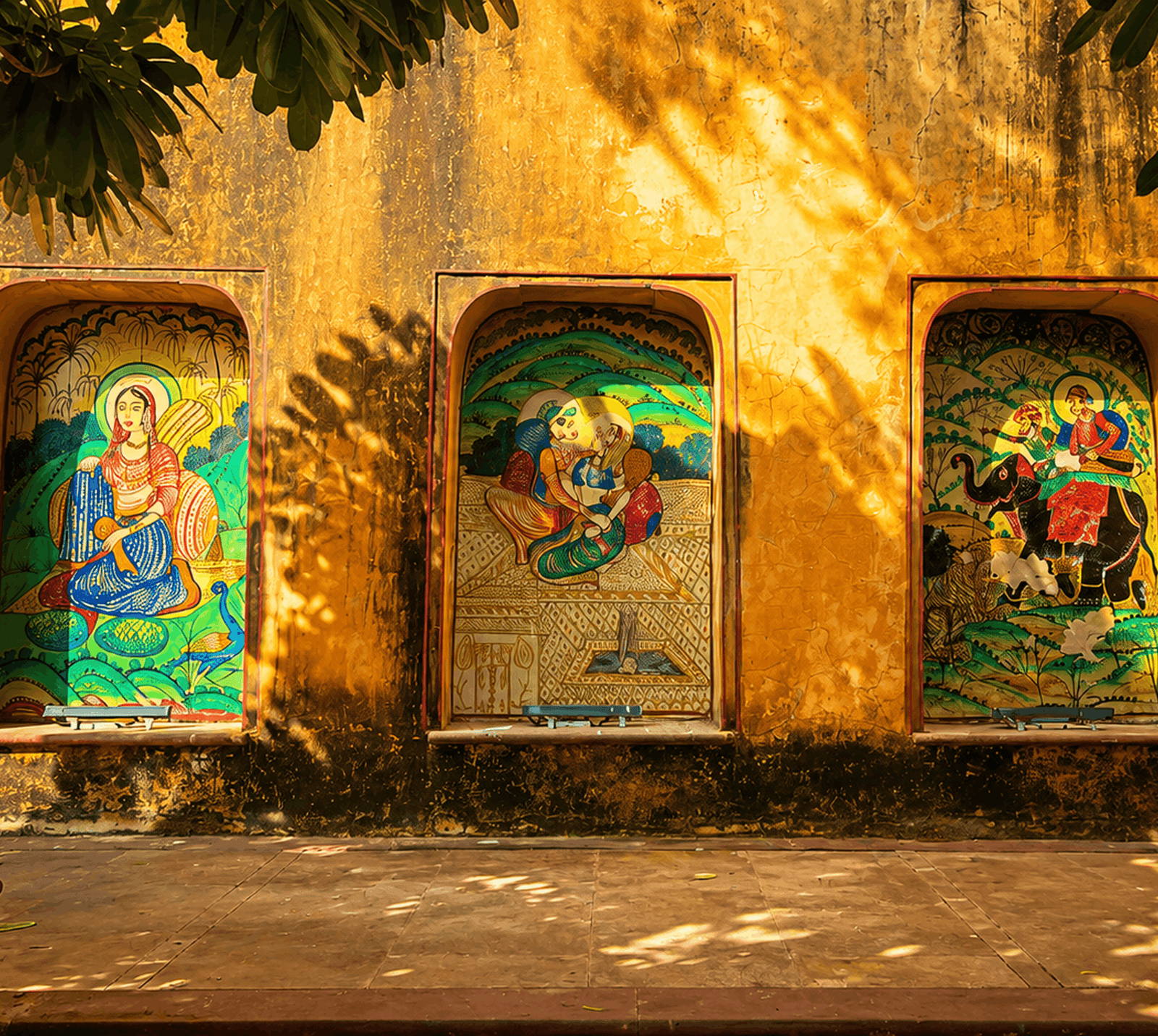
The Radha-Krishna Murals

The walls and pavilions carry frescoes of Radha and Krishna and scenes from Krishna's life, painted in bright natural colours, among the finest examples of 18th-century Rajasthani wall painting in the city.
This is the Sisodia Rani Bagh, a historic 18th-century palace and garden in Jaipur, Rajasthan, known for its intricate murals depicting scenes from the life of Lord Krishna.

The Hilltop Palace

The double-storeyed palace on the uppermost terrace overlooks the whole garden and offers the best vantage point for photographs of the layout below.
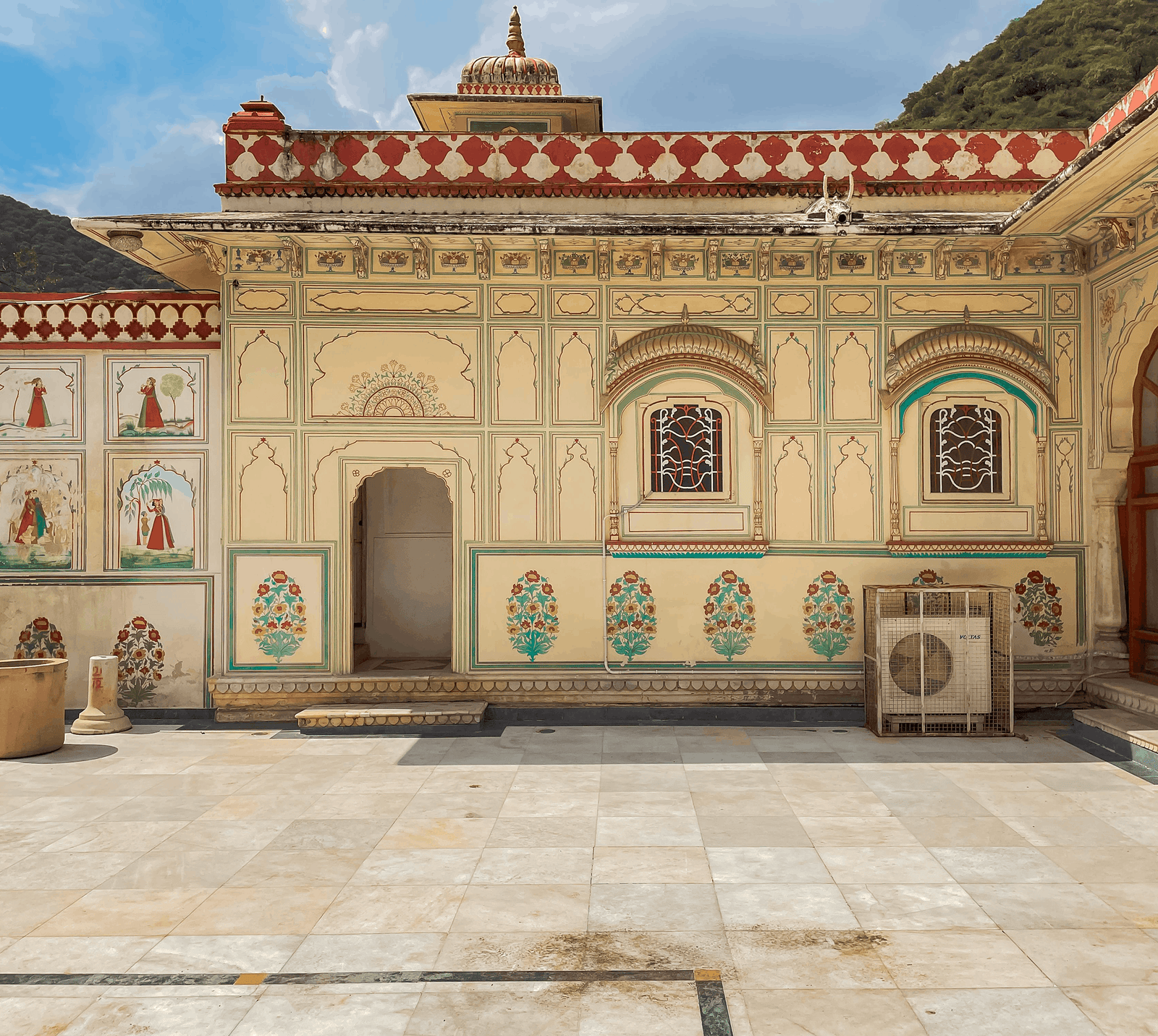
Sisodia Rani Bagh, a historic garden and palace complex located in Jaipur, Rajasthan, India.

Painted Pavilions and Chhatris

Shaded pavilions and domed chhatris are set along the terraces, decorated with arches and frescoes and made for resting between walks.
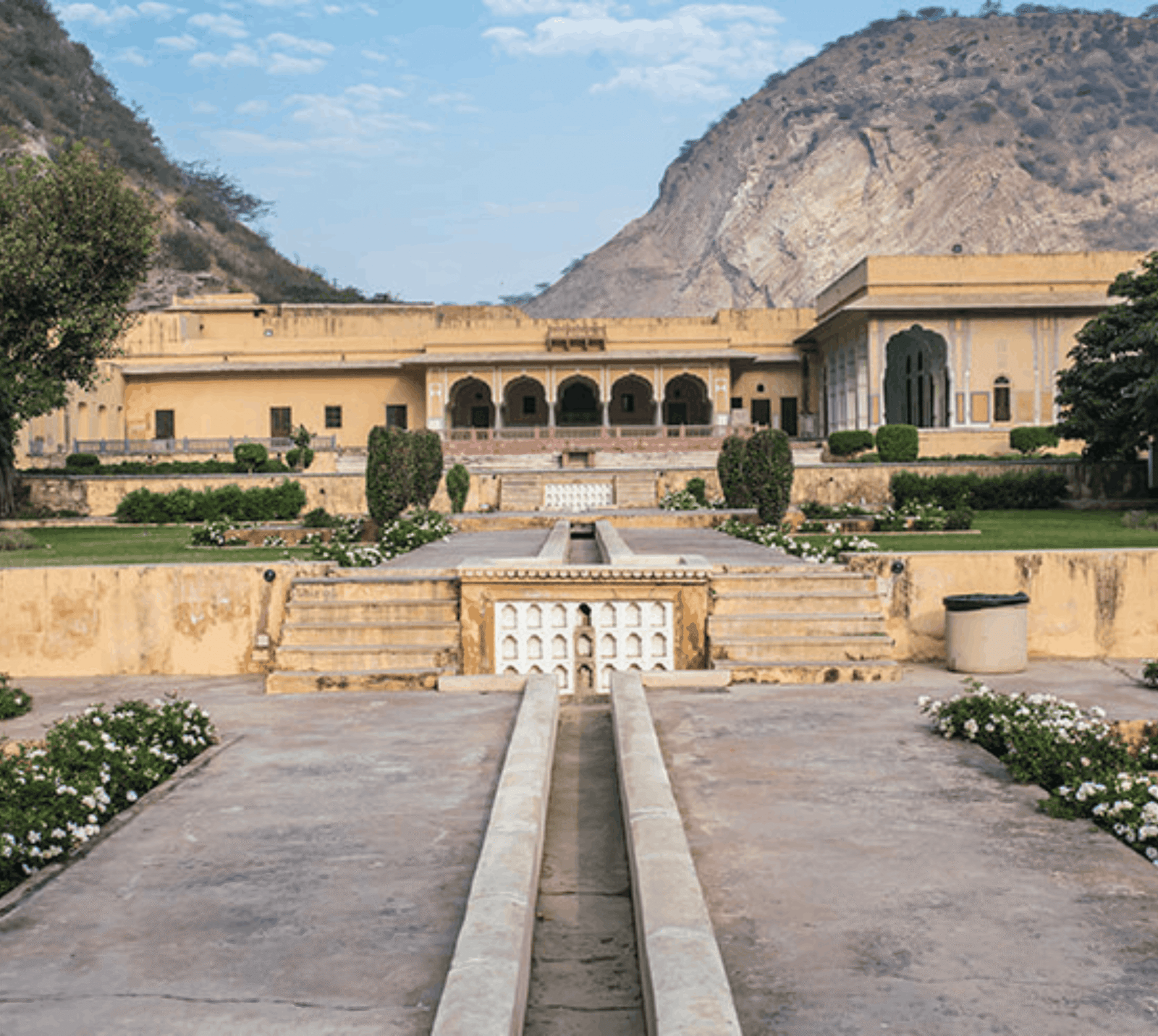
Visitor Information, Timings, Entry Fee and How to Reach

Essential details to help you plan your visit with ease.

Best Time to Visit Sisodia Rani Garden

Entry Fee

How to Reach

Tips for Visiting Sisodia Rani Garden

Planning your visit to the Sisodia Rani Garden with these practical tips will enhance your experience:
fish

Nearby Attractions to Sisodia Rani Garden

Discover the notable sights and cultural landmarks located close to Sisodia Rani Garden.
The historic Vidyadhar Garden in Jaipur, Rajasthan

Vidyadhar Garden

A landscaped terraced garden a short distance away, named after Vidyadhar Bhattacharya, the architect who planned Jaipur.
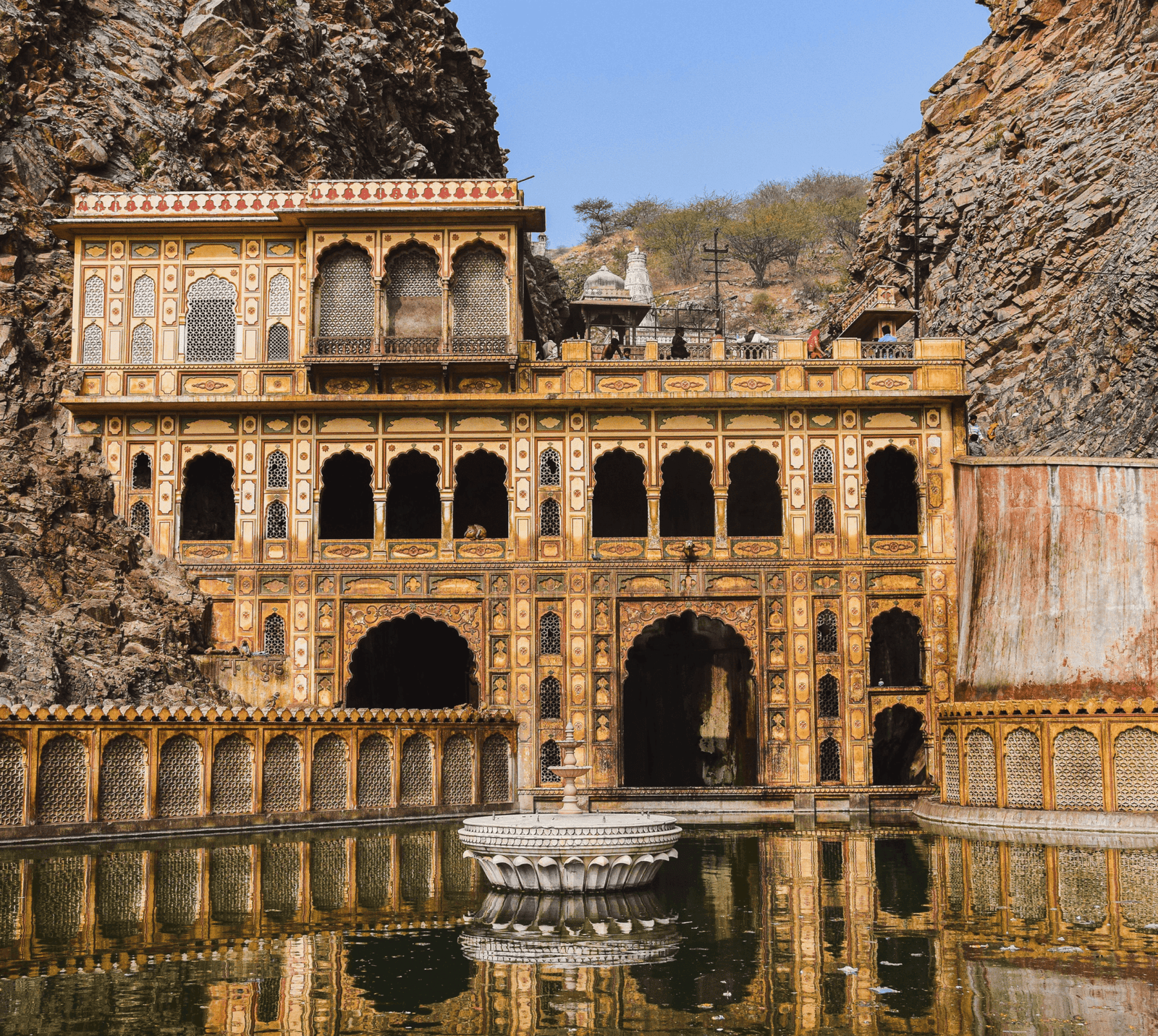
Galtaji Temple in Jaipur, Rajasthan, an 18th-century structure built from pink sandstone and carved directly into the Aravalli hills.

Galta Ji

A historic temple complex set in a gorge of the Aravalli hills, known for its natural spring-fed water tanks and resident monkeys.
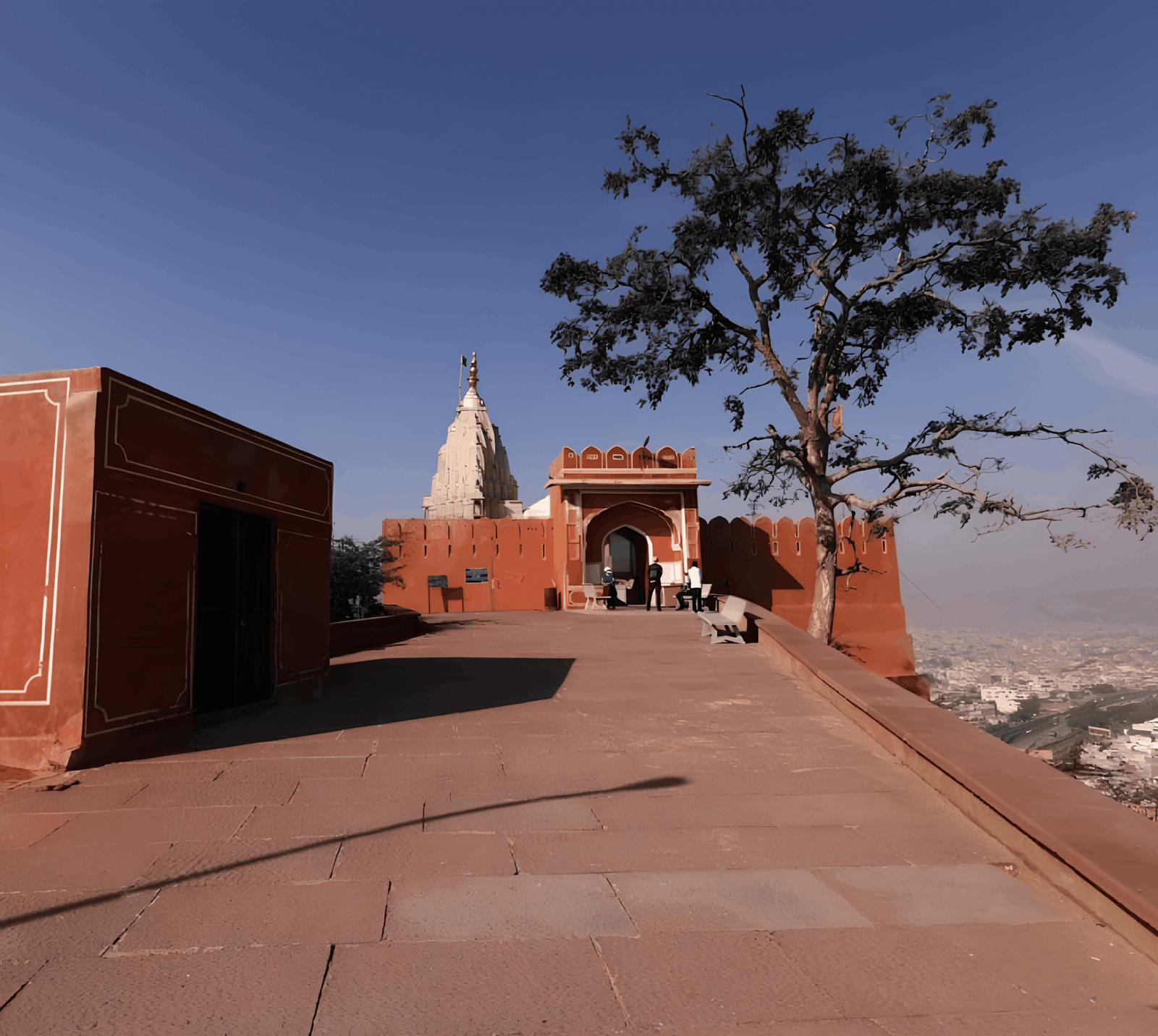
Sun Temple (Surya Mandir), a historic hilltop temple located in the Galta hills of Jaipur, India.

Surya Mandir (Sun Temple)

A hilltop temple above Galta Ji that gives a sweeping panoramic view over Jaipur, especially fine at sunset.

Suggested Itinerary

Morning visit to Sisodia Rani Garden → Walk to Vidyadhar Garden → Continue to Galta Ji and the Sun Temple → Sunset view over the city from the ridge.

FAQs

Find quick answers to common questions before planning your visit to Sisodia Rani Garden.
1. Why is Sisodia Rani Garden famous?
It is famous as an 18th-century royal pleasure garden, built as a gift of love, known for its terraced Mughal-Rajput design and its Radha-Krishna murals.
It was built in 1728 by Maharaja Sawai Jai Singh II, the founder of Jaipur, for his second queen, a princess of the Sisodia clan of Udaipur.
The entry fee is around ₹50 for Indian visitors and ₹200 for foreign visitors, with concessions for students and free entry for young children.
October to March is the most pleasant season, and early morning or late afternoon gives the best light for a walk and for photographs.
It lies about 10 km from the city centre, on the Jaipur-Agra Road at Ghat Ki Guni.
The palace walls are painted with scenes of Radha and Krishna, episodes from Krishna’s life, and royal hunting scenes.
One to two hours is usually enough to walk the terraces and see the palace, a little more for keen photographers.
Yes, photography is allowed, and the garden is a popular spot for portraits and pre-wedding shoots, though visitors are asked not to touch the murals.

Book your stay with us now