



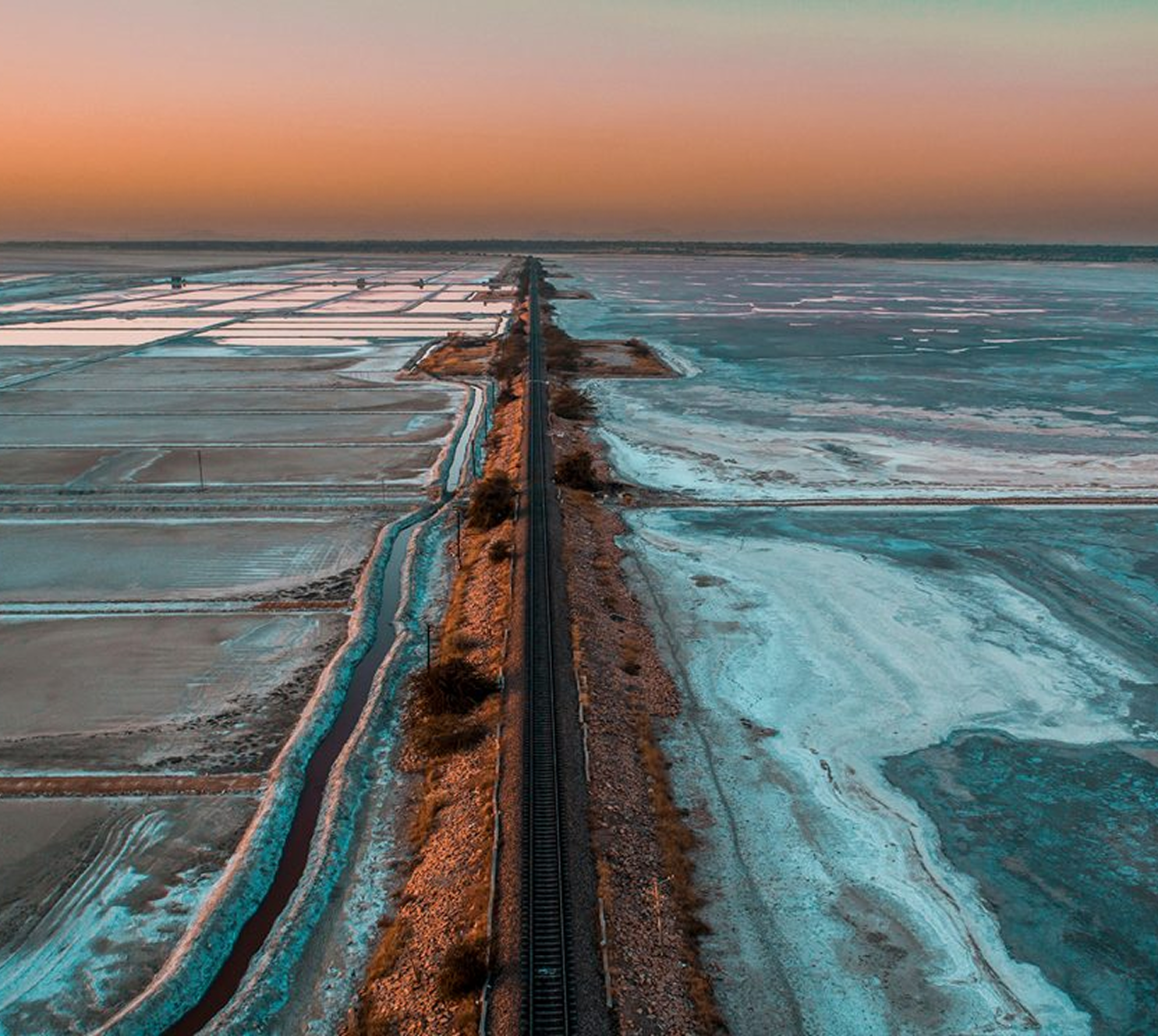
Sambhar stretches approximately 35.5 km in length, with widths varying between 3 and 11 km, and covers between 190 and 230 square kilometres depending on the season. Its catchment area extends across roughly 5,700 square kilometres, fed by ephemeral streams including the Mendha, Rupangarh, Khari and Khandela.
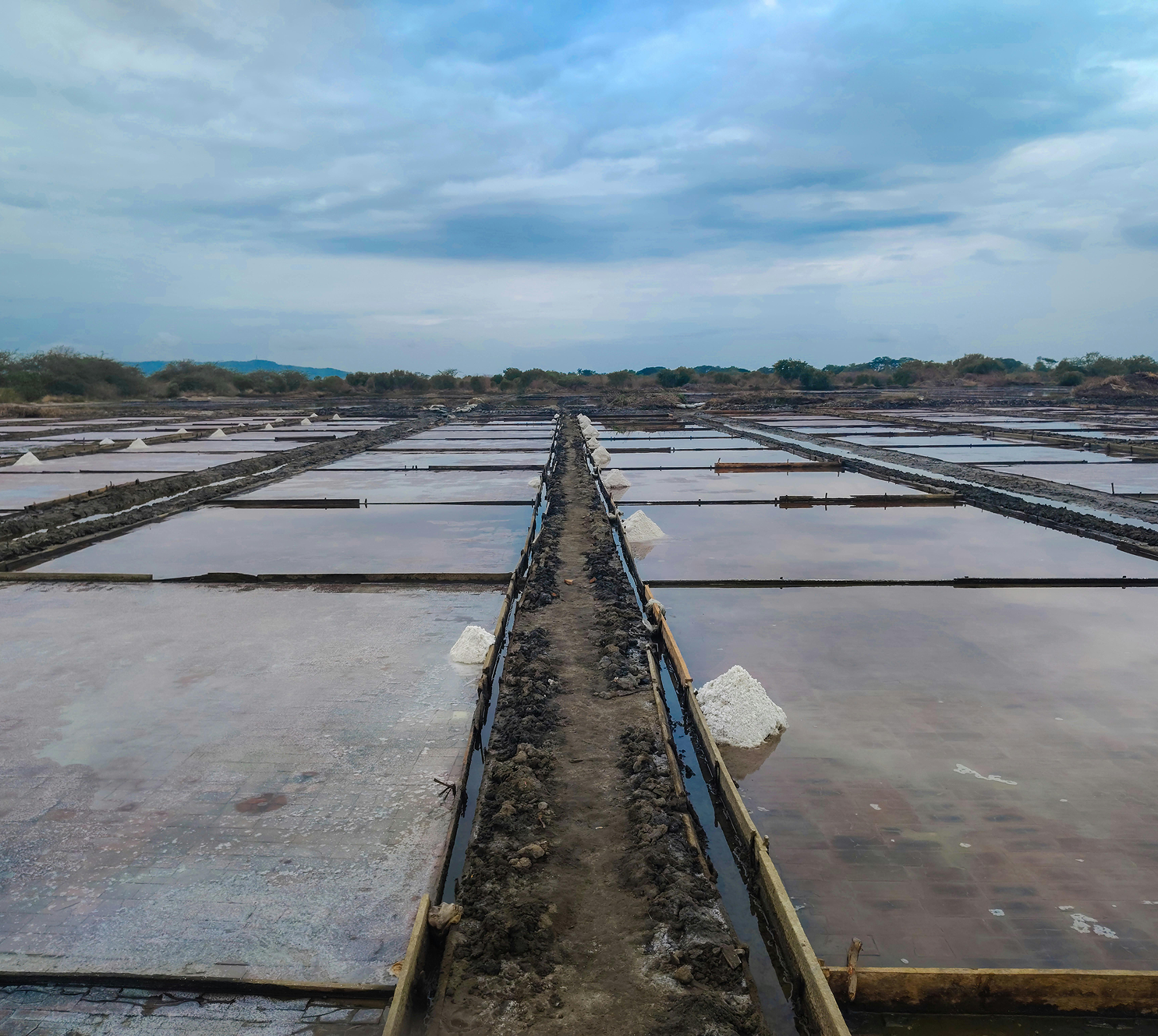
A 5.1 km-long sandstone dam built between the villages of Jhapok and Gudha divides the lake into two sections. The western part is a natural sheet of brine, while the eastern side is given over to salt evaporation pans that have been worked for over a thousand years.
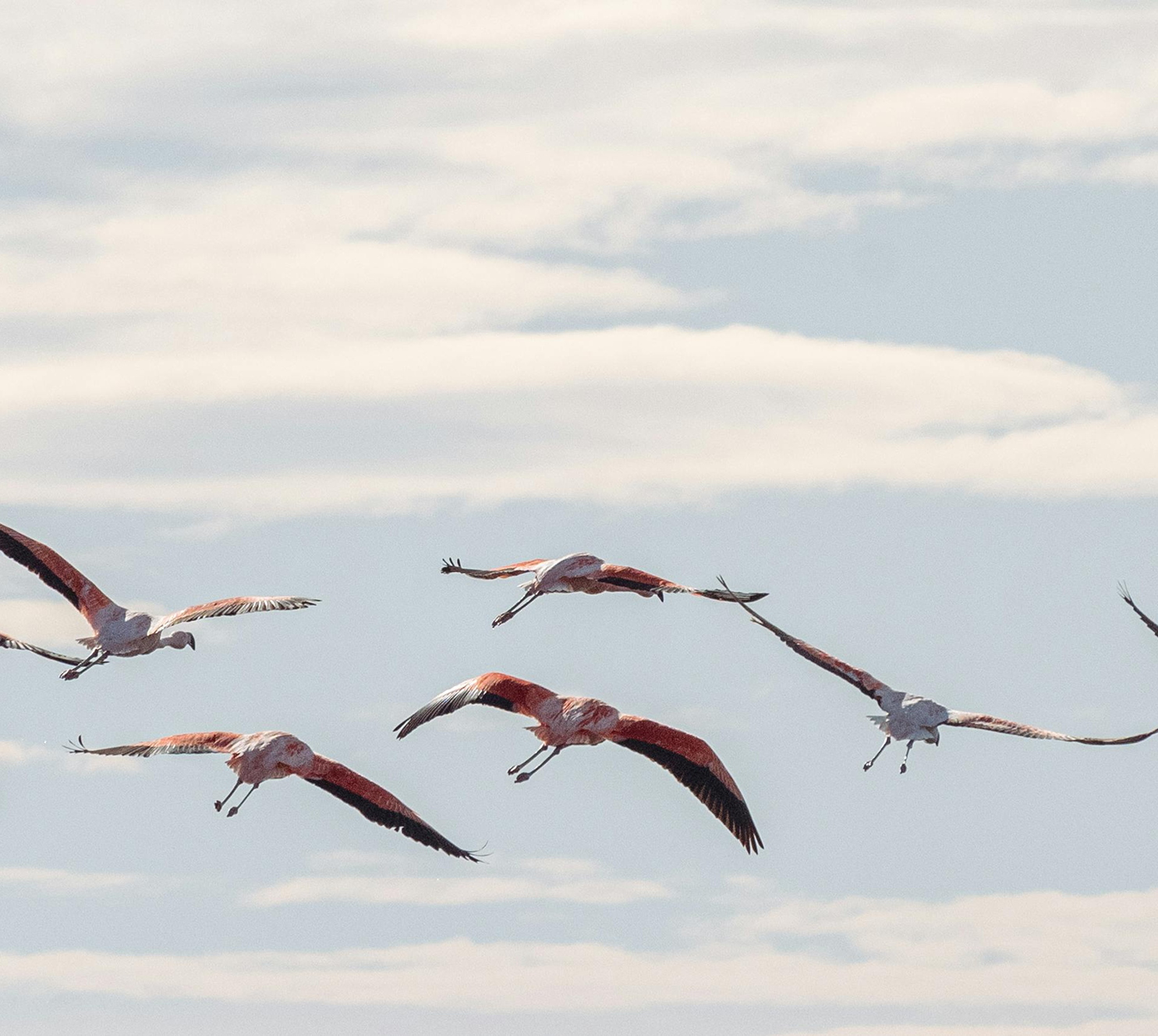
Sambhar is the second most important wintering and breeding ground for flamingos in India, after the Rann of Kutch. Both greater and lesser flamingos arrive in large numbers, alongside pelicans, northern shovelers, common cranes, pintails, bar-headed geese, tufted ducks and waders. More than 50 species of aquatic birds have been recorded here.
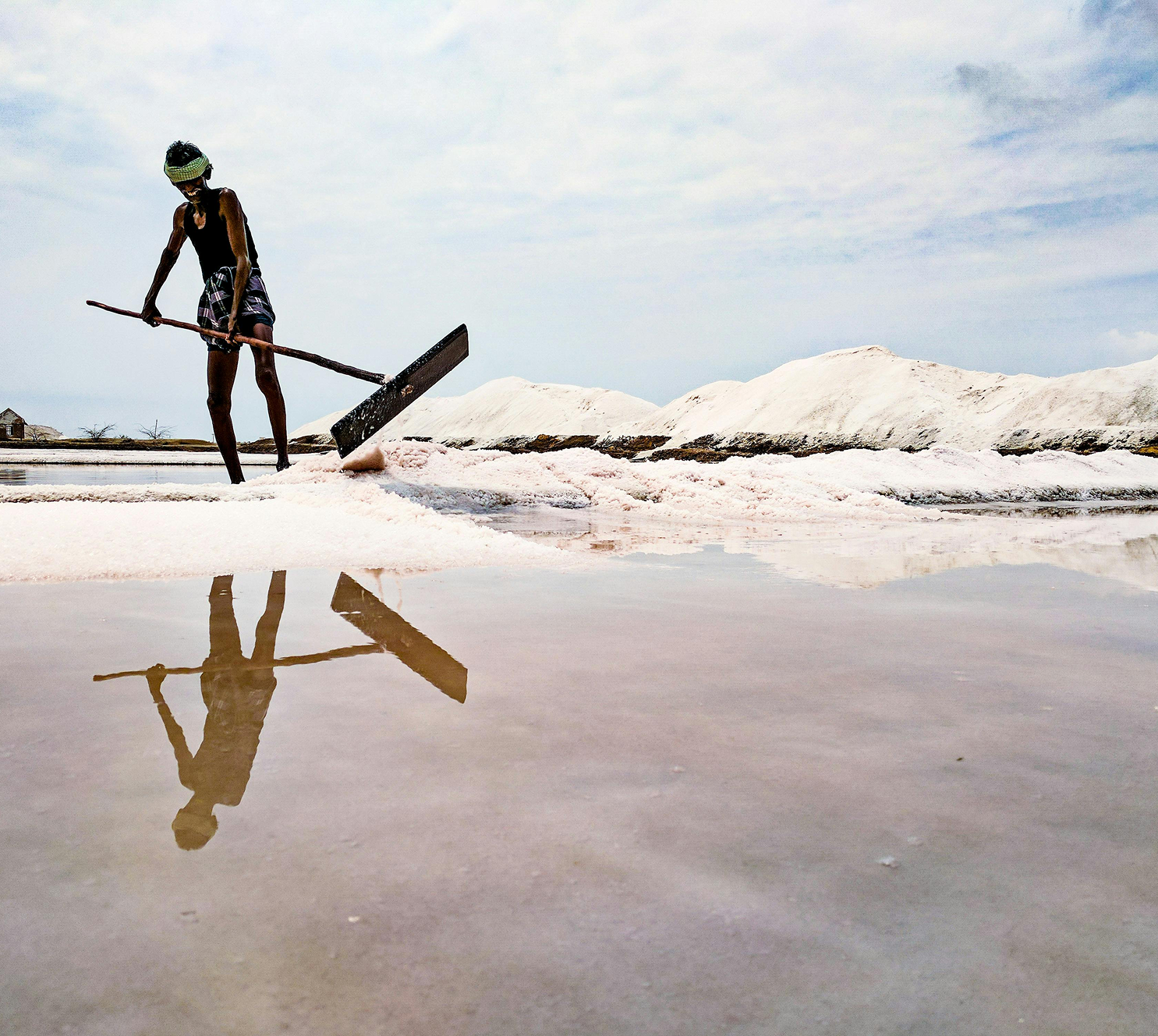
During the hotter months, microorganisms and algae thriving in the hypersaline water turn the lake a striking shade of pink, while the dry salt flats reflect the sky in mirror-like patterns that have drawn comparisons to the Rann of Kutch and the Salar de Uyuni.
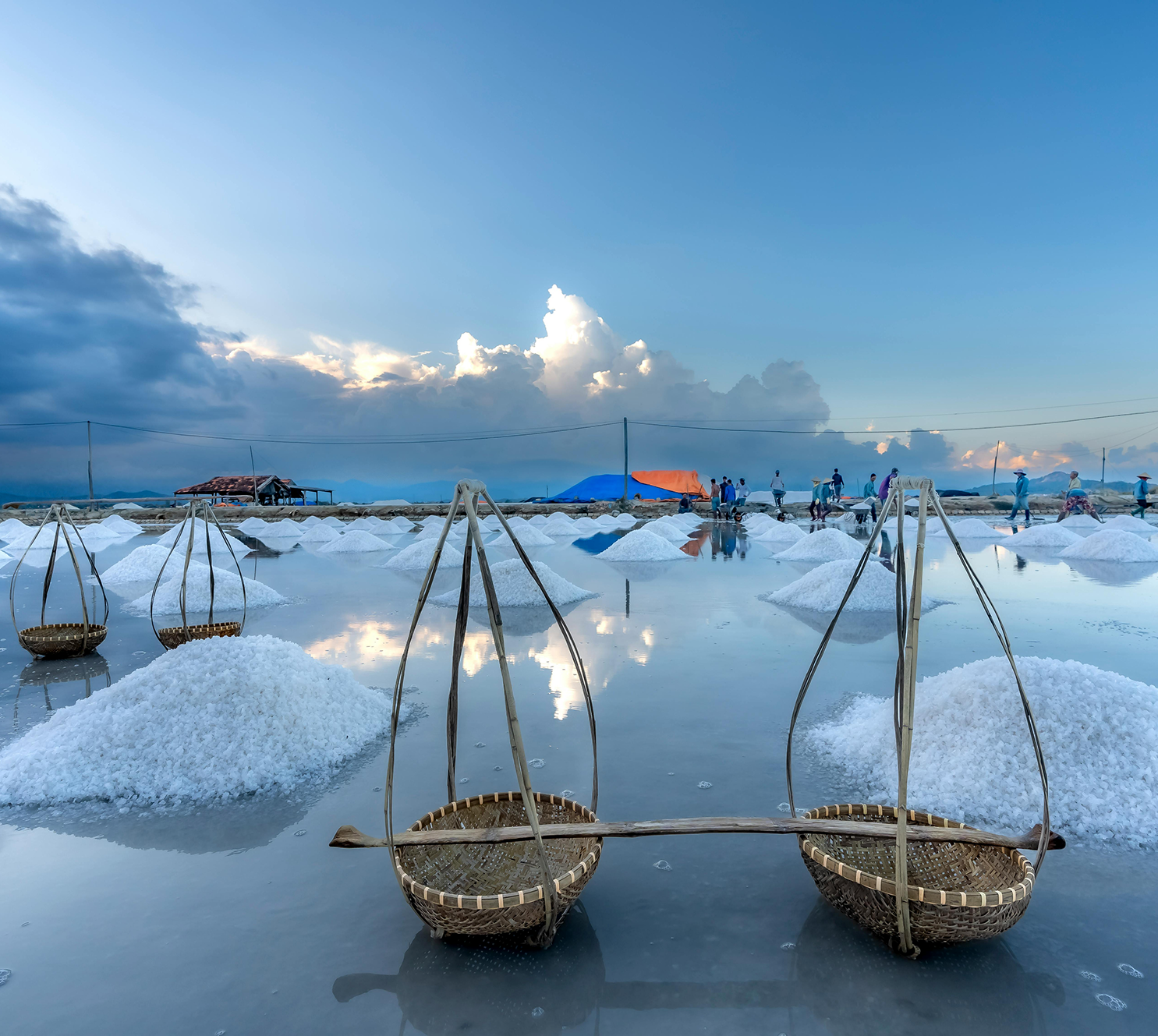
It is a narrow-gauge railway laid by the British, which still runs across the lake bed, carrying salt from the pans to the refinery. This is one of the few railway tracks in India that runs across a lake.
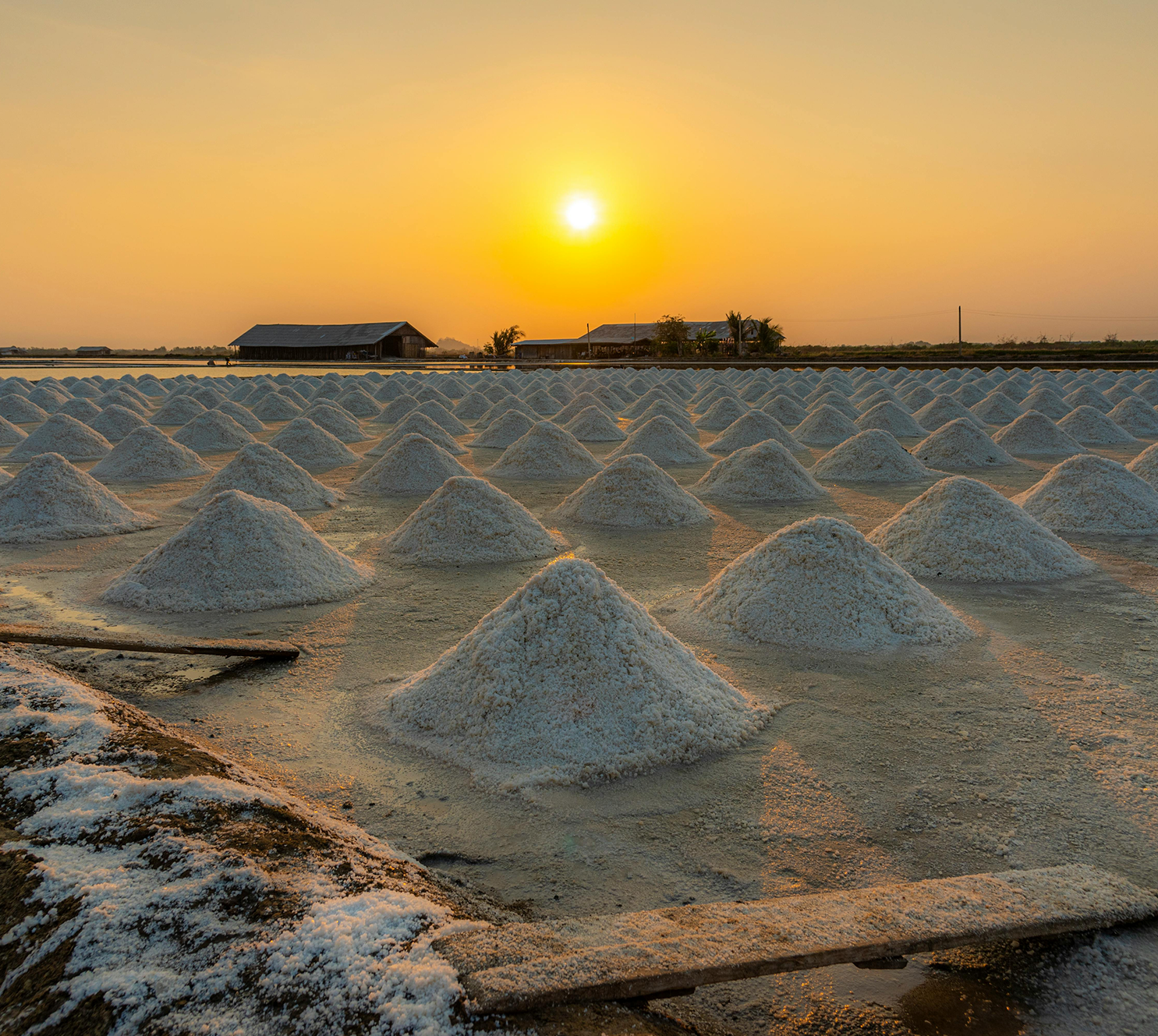
Sambhar's striking landscapes have been captured in several Bollywood productions. The Sambhar Lake Town featured in Ashutosh Gowariker's epic Jodhaa Akbar (2008), and the popular song Sasural Genda Phool from Delhi-6 (2009) was filmed here.
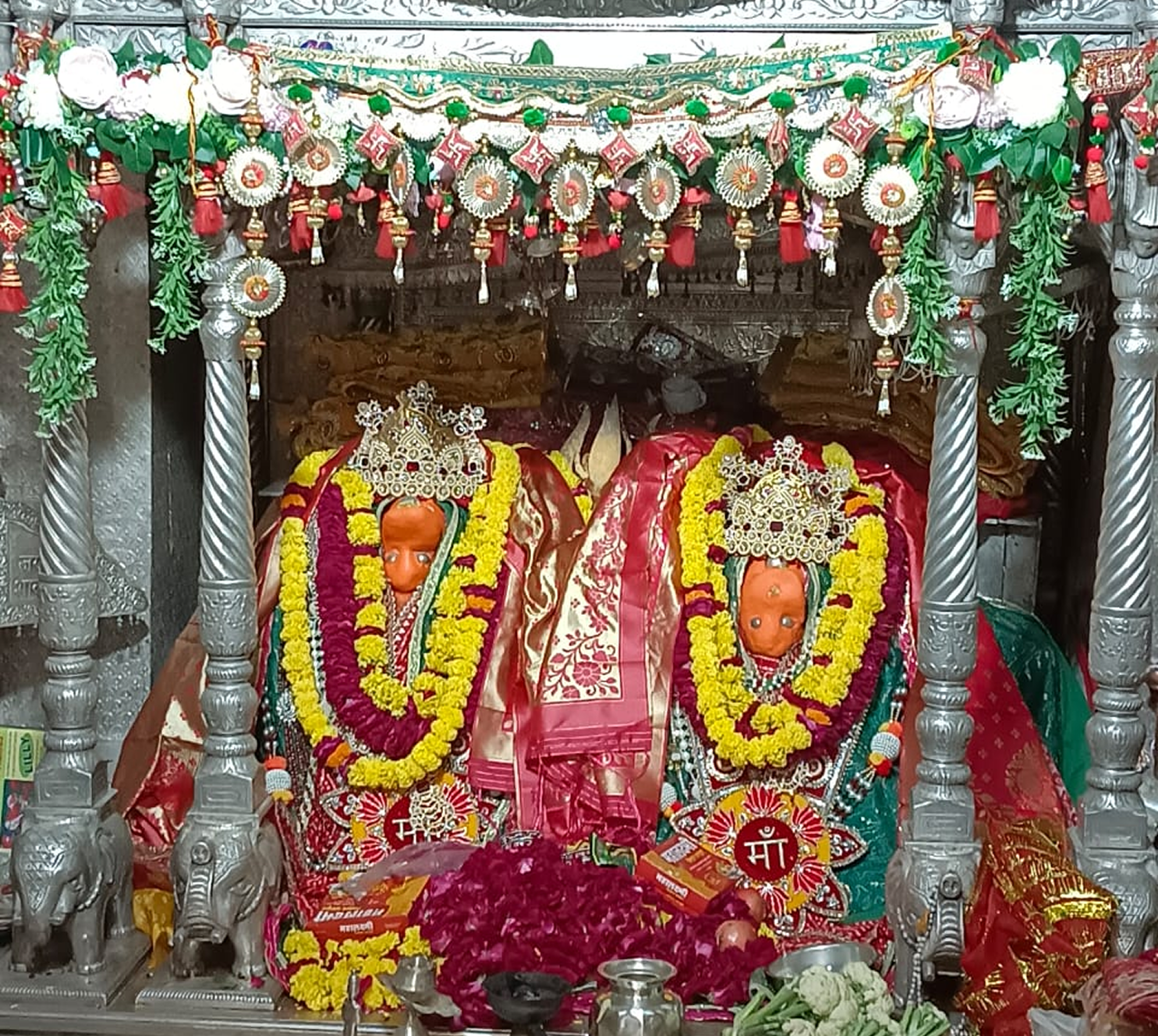
It is a revered temple devoted to the goddess credited with creating the lake, located on a rocky outcrop with sweeping views of the salt flats. A popular religious fair is held here every August.
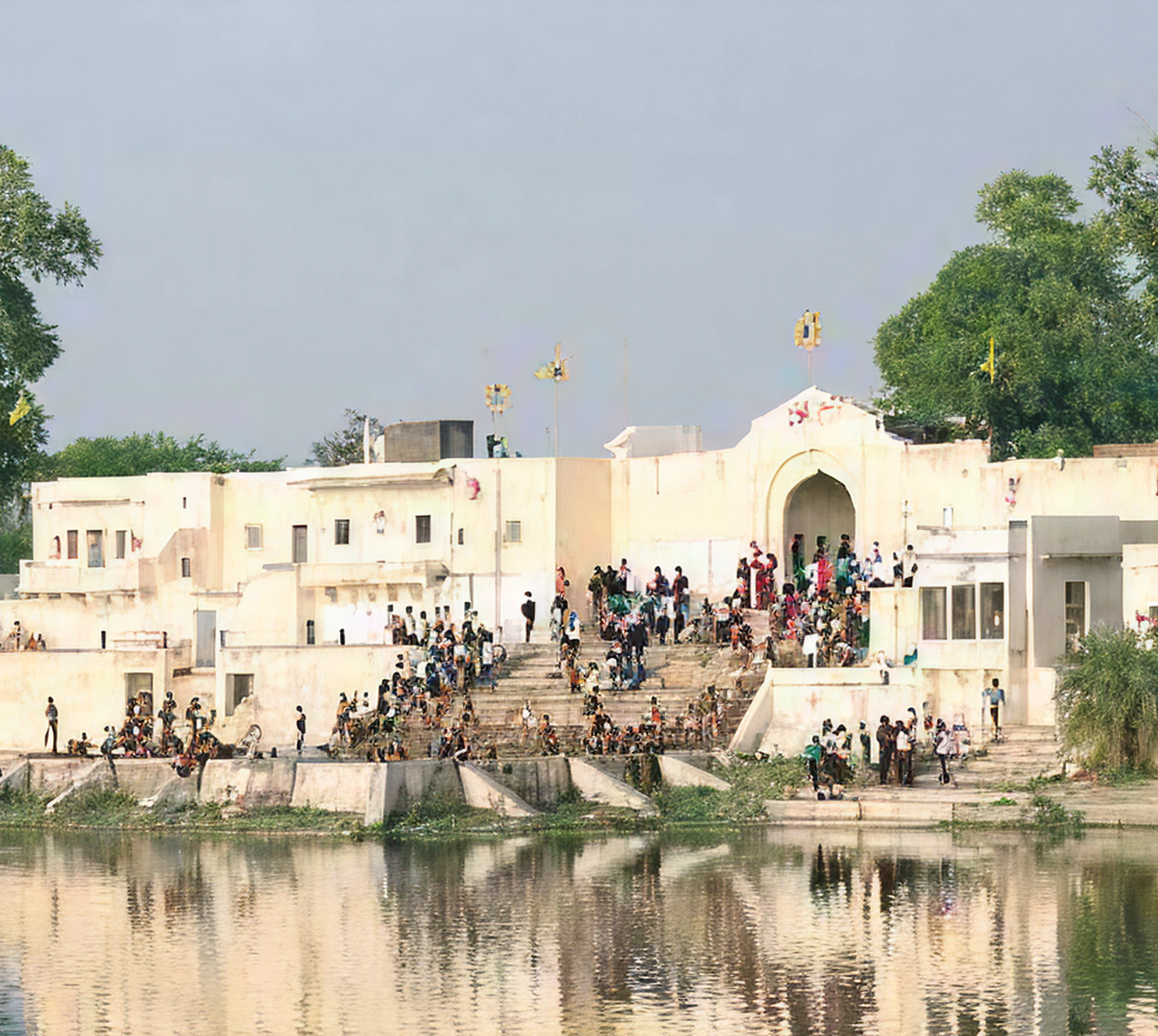
Often called Chota Pushkar, this serene temple complex and sacred water tank is dedicated to Devayani and is an important local pilgrimage site.
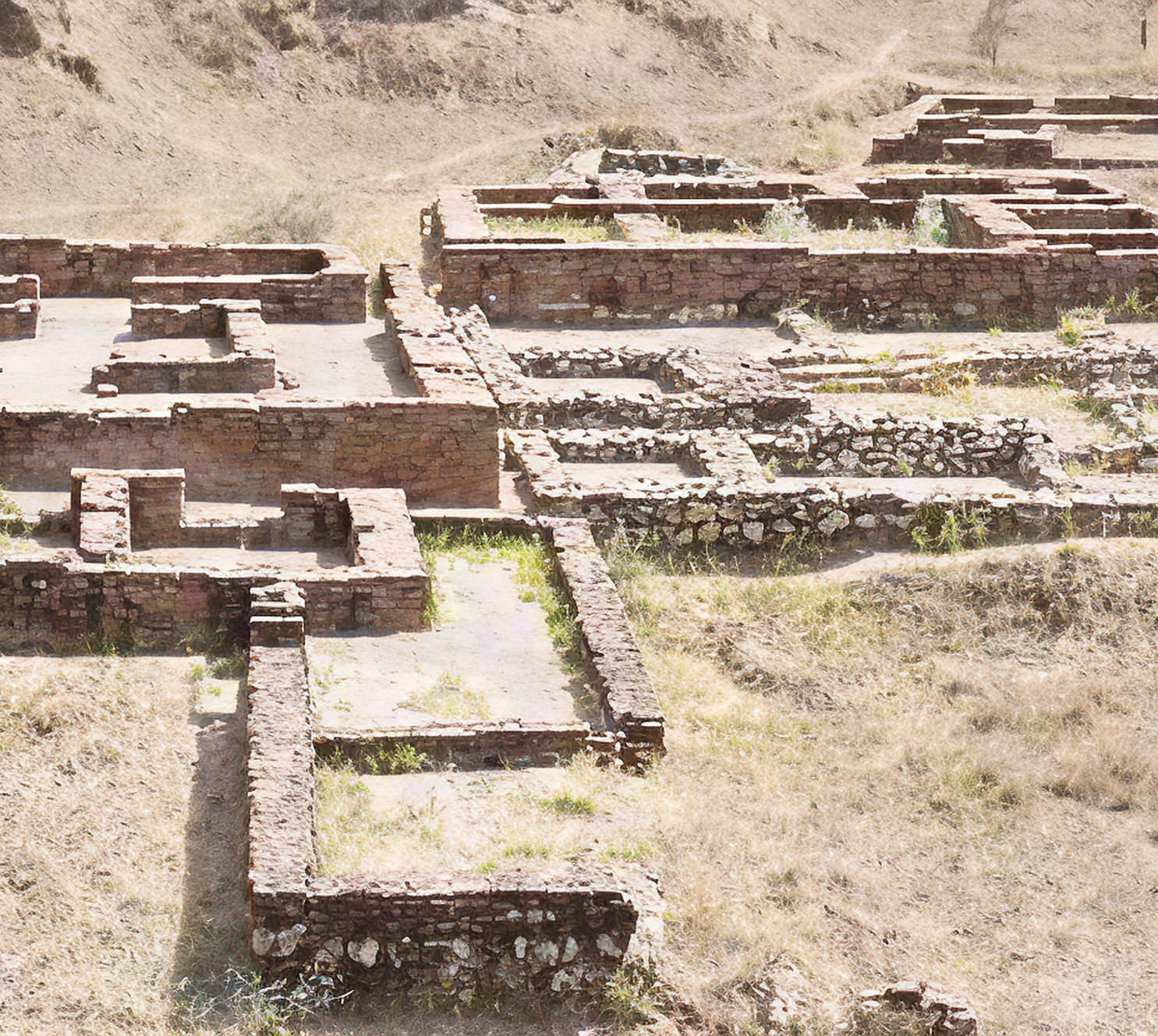
An archaeological site near Sambhar town that has yielded coins, terracotta figurines, seals, and stupa remains dating back to the Kushan and Gupta periods is evidence of a once-flourishing ancient settlement.
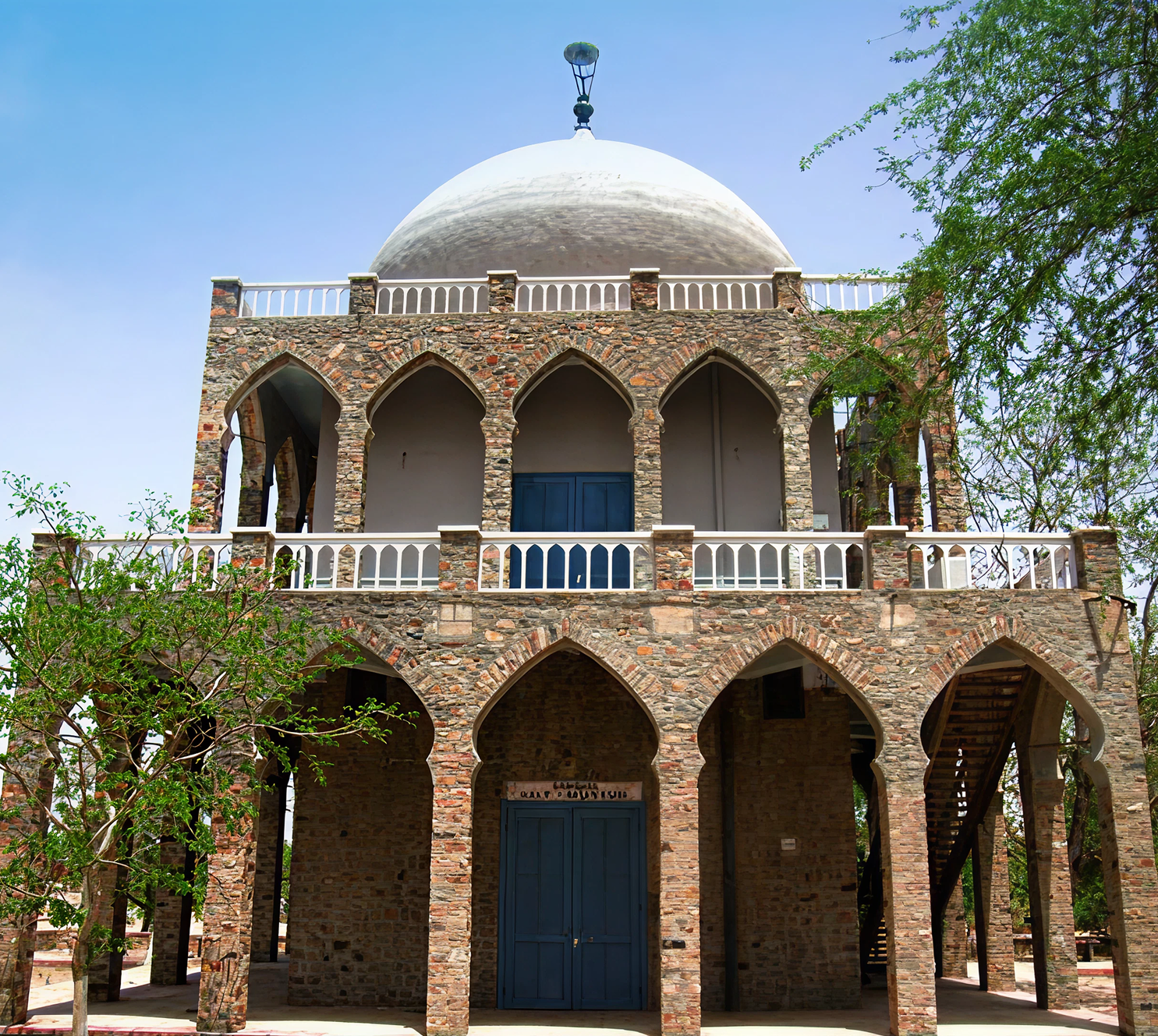
Housed in a colonial-era building, this small museum showcases the history, science and varieties of salt production in India.