

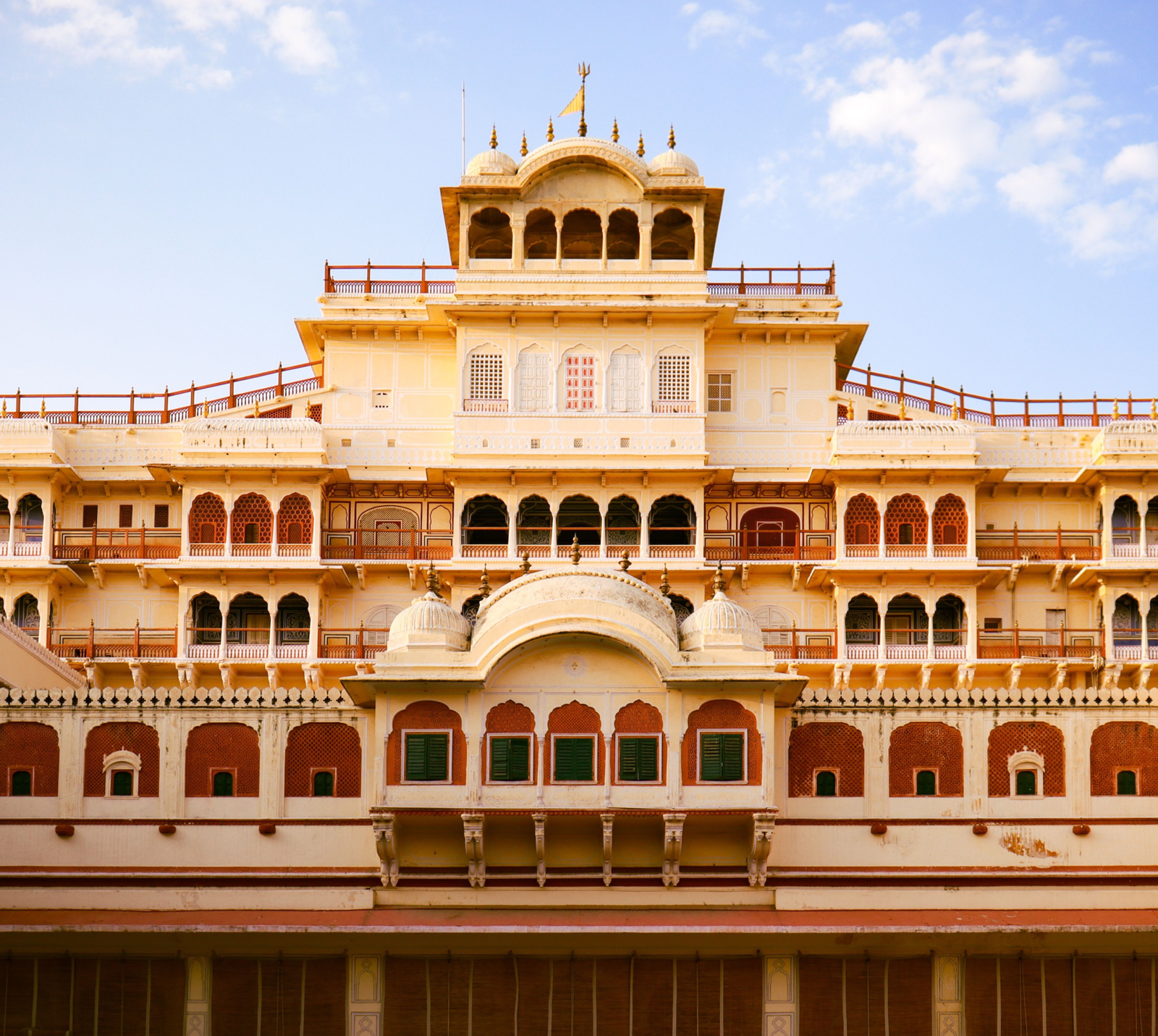
City Palace, Jaipur

lotus

Overview

City Palace Jaipur is an architectural masterpiece and a living testament to the royal heritage of Rajasthan. Situated in the heart of the Pink City, this iconic palace complex brings together Rajput, Mughal, and European architectural styles, giving visitors a glimpse into the opulent lifestyle of Jaipur’s erstwhile rulers. With sprawling courtyards, intricate balconies, and beautifully adorned halls, City Palace is a must-visit for history enthusiasts, architecture lovers, and culture seekers exploring Jaipur.

From its grand Mubarak Mahal to the exquisite Chandra Mahal, the palace houses royal artefacts, paintings, and armour that narrate centuries of Jaipur’s rich history. Every corner of the City Palace carries the craftsmanship, cultural richness, and regal elegance of Rajasthan.

Location

Jalebi Chowk, City Palace, Jaipur

Timings

9:30 AM to 5:00 PM (Museum & Palace Complex)

Entry Fee

Indian Visitors: ₹200
Foreign Visitors: ₹700

Time Required

2 to 3 hours
lotus

What is the History of City Palace, Jaipur?

City Palace, Jaipur was built between 1729 and 1732 by Maharaja Sawai Jai Singh II, the founder of Jaipur, with its original layout overseen by chief architect Vidyadhar Bhattacharya. It served as the administrative and ceremonial seat of Jaipur’s rulers until 1949, and later additions, such as the nineteenth century Mubarak Mahal, brought European architectural influences into the complex. Today it remains part royal residence and part museum, run by the Jaipur royal family’s own trust.
Maharaja Sawai Jai Singh II founded Jaipur in 1727, moving his capital from Amer after outgrowing its water supply, and construction of City Palace began soon after. Between 1729 and 1732, he built the complex’s core and outer walls under the guidance of Vidyadhar Bhattacharya, the Bengali scholar and chief architect who also planned the layout of the wider city according to the principles of Vastu Shastra.
Over the following two centuries, successive Maharajas expanded the complex with new courtyards, halls, and palace buildings. The most significant addition came in the late nineteenth century, when Maharaja Madho Singh II commissioned Mubarak Mahal as a reception hall for visiting foreign dignitaries. Its architect, Sir Samuel Swinton Jacob, brought European detailing into the complex for the first time, giving City Palace the mix of Rajput, Mughal, and European styles seen today.
City Palace served as the administrative and ceremonial seat of Jaipur’s rulers until 1949, when the princely state became part of independent India. Parts of the complex, including Mubarak Mahal, were later converted into museum galleries under Maharaja Sawai Man Singh II, forming the Maharaja Sawai Man Singh II Museum that visitors see today. The palace remains privately owned and run by the royal family’s own trust, and the upper floors of Chandra Mahal continue as a residence for their descendants.

City Palace Through the Centuries

Architecture of City Palace

City Palace spans several acres and brings together Rajput, Mughal, and European architectural styles across multiple palaces, courtyards, gardens, and gateways. Its earliest sections, including Chandra Mahal, follow the principles Vidyadhar Bhattacharya set out for the whole of Jaipur, while later additions such as Mubarak Mahal introduced European elements under Sir Samuel Swinton Jacob in the nineteenth century.
Key architectural highlights include the ornate Chandra Mahal, Mubarak Mahal, and the Diwan-i-Khas, with its intricate frescoes, latticework, mirror mosaics, and gilded motifs. The palace walls, painted in Jaipur’s signature pink hue, provide a backdrop for photography and cultural tours throughout the complex.
fish

Main Attractions and Highlights at City Palace

A quick overview of the features worth your attention at the temple.
Chandra Mahal scaled

Chandra Mahal

The crown jewel of City Palace, Chandra Mahal, showcases opulent royal chambers adorned with murals, mirrors, and rare artefacts. Visitors can access the ground floors and museum sections, while private quarters remain reserved for the royal family.
Mubarak Mahal scaled

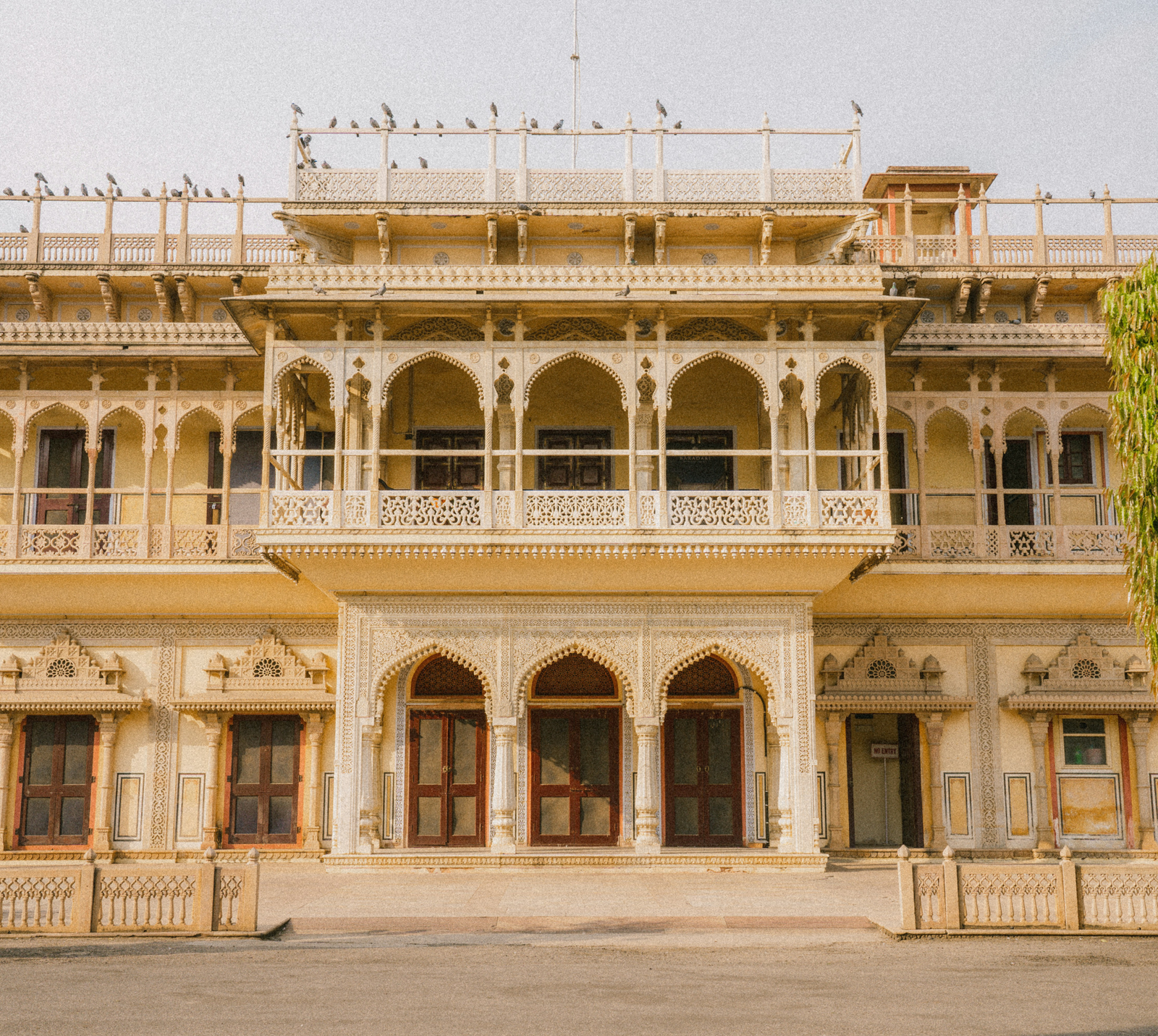
Mubarak Mahal

This former reception hall now serves as a museum, displaying royal costumes, textiles, ceremonial garments, and traditional Rajasthani jewellery, highlighting the grandeur of Jaipur's royal lifestyle.
Diwan i Khas scaled

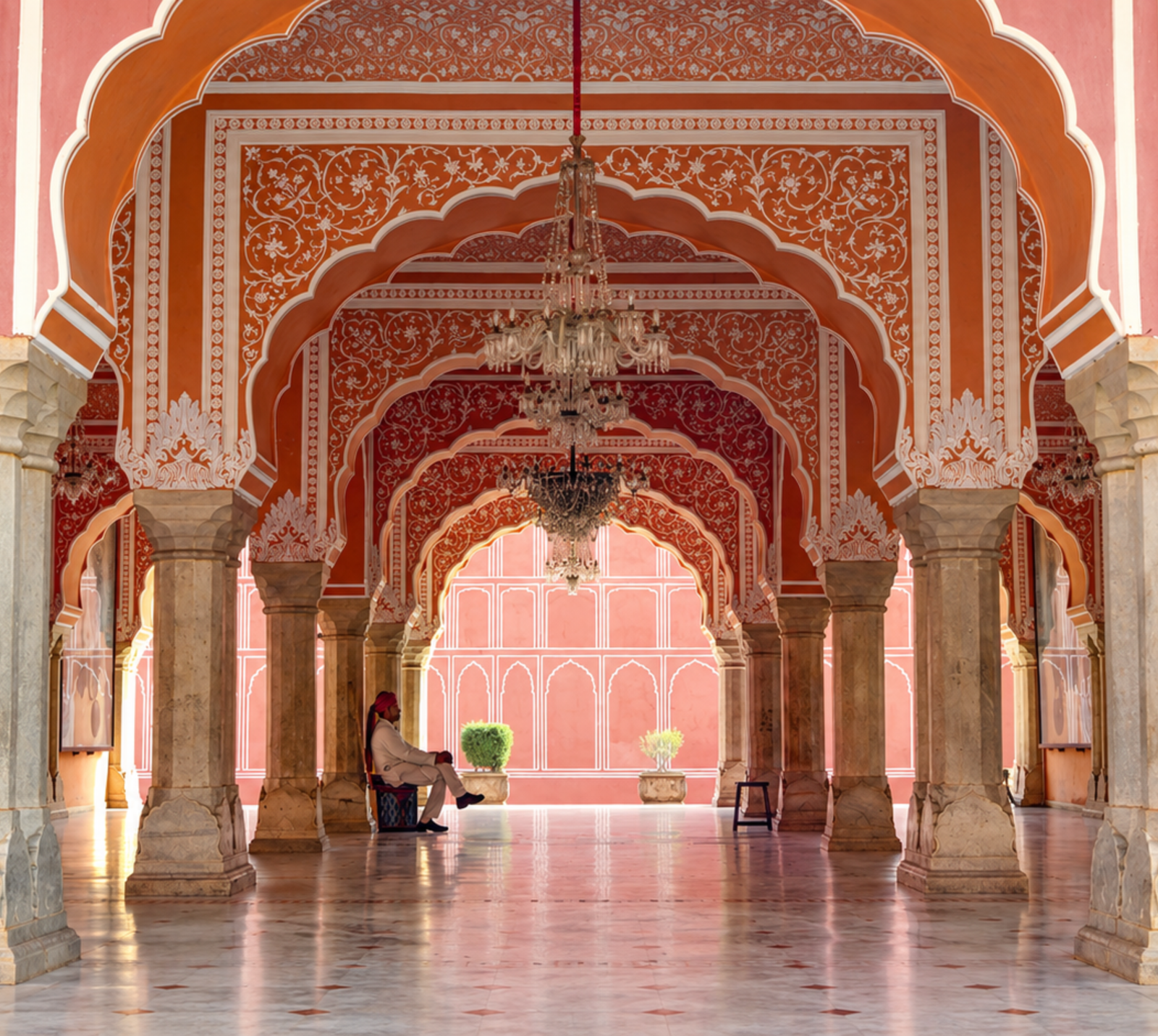
Diwan-i-Khas

A hall of private audience, Diwan-i-Khas features ornate pillars, intricate mirror work, and the famous Sheesh Mahal (Hall of Mirrors), where the royalty once received distinguished guests.
Armoury Weapons Collection scaled

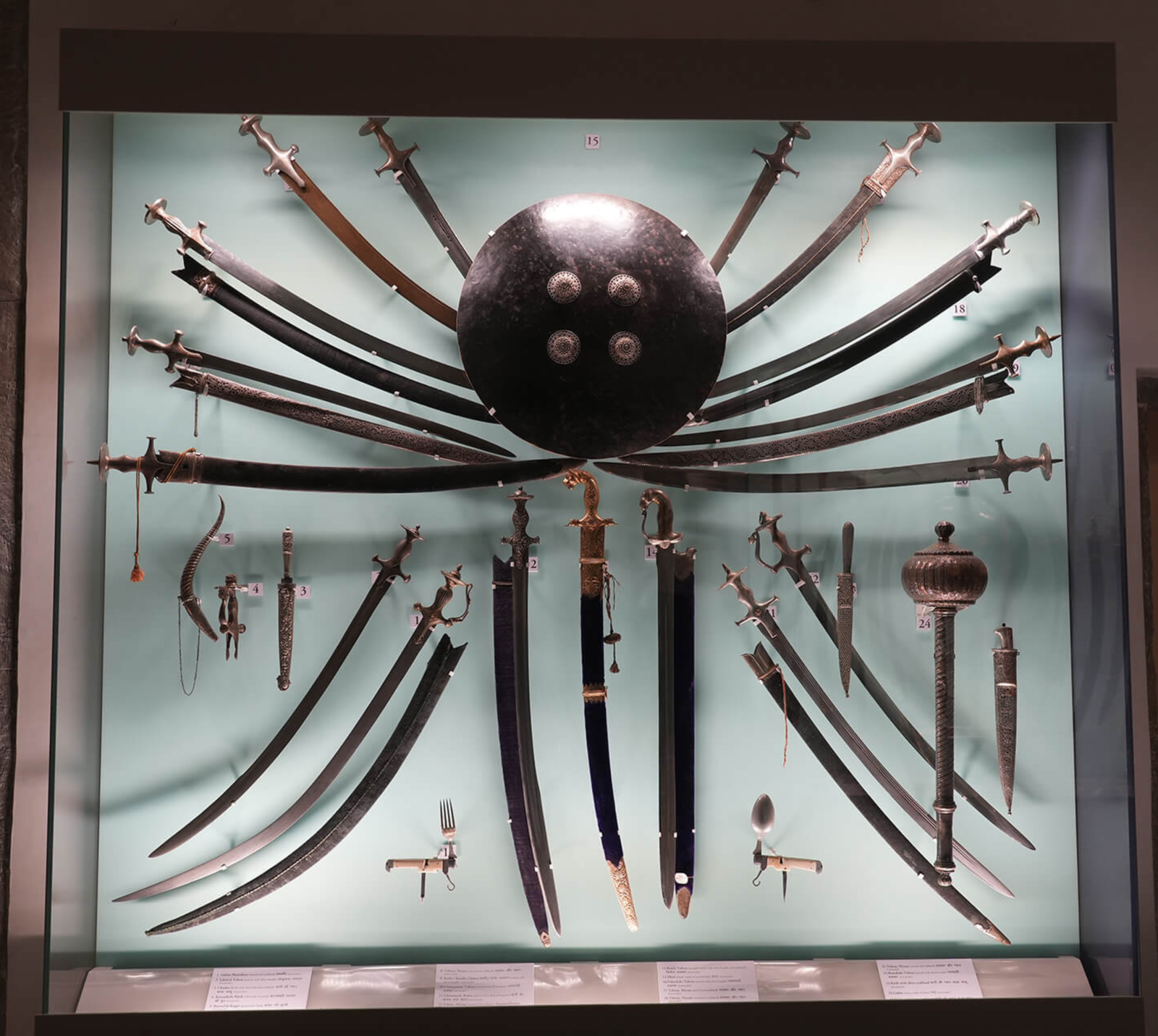
Armoury & Weapons Collection

The palace armoury houses swords, shields, daggers, and artillery, demonstrating Rajput martial prowess. Each piece carries historical significance and exquisite craftsmanship, giving insight into Rajasthan's warrior culture.
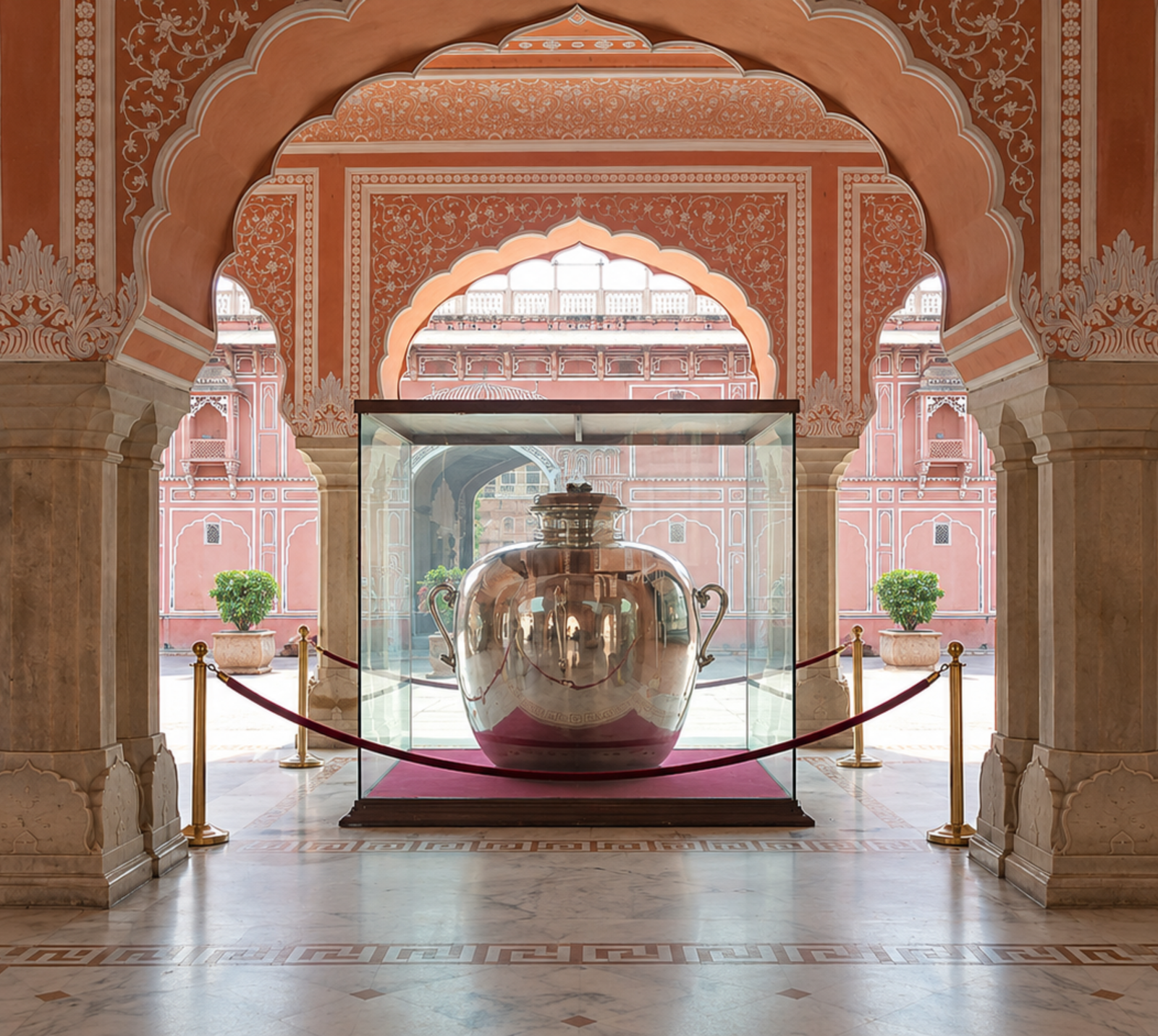
Museums Galleries scaled

Museums & Galleries

City Palace Jaipur's museum exhibits include miniature paintings, manuscripts, royal photographs, and ceremonial artefacts. Highlights include the Mughal-inspired Zenana Mahal and stunning courtyards such as Pritam Niwas Chowk, adorned with peacock motifs and floral frescoes.
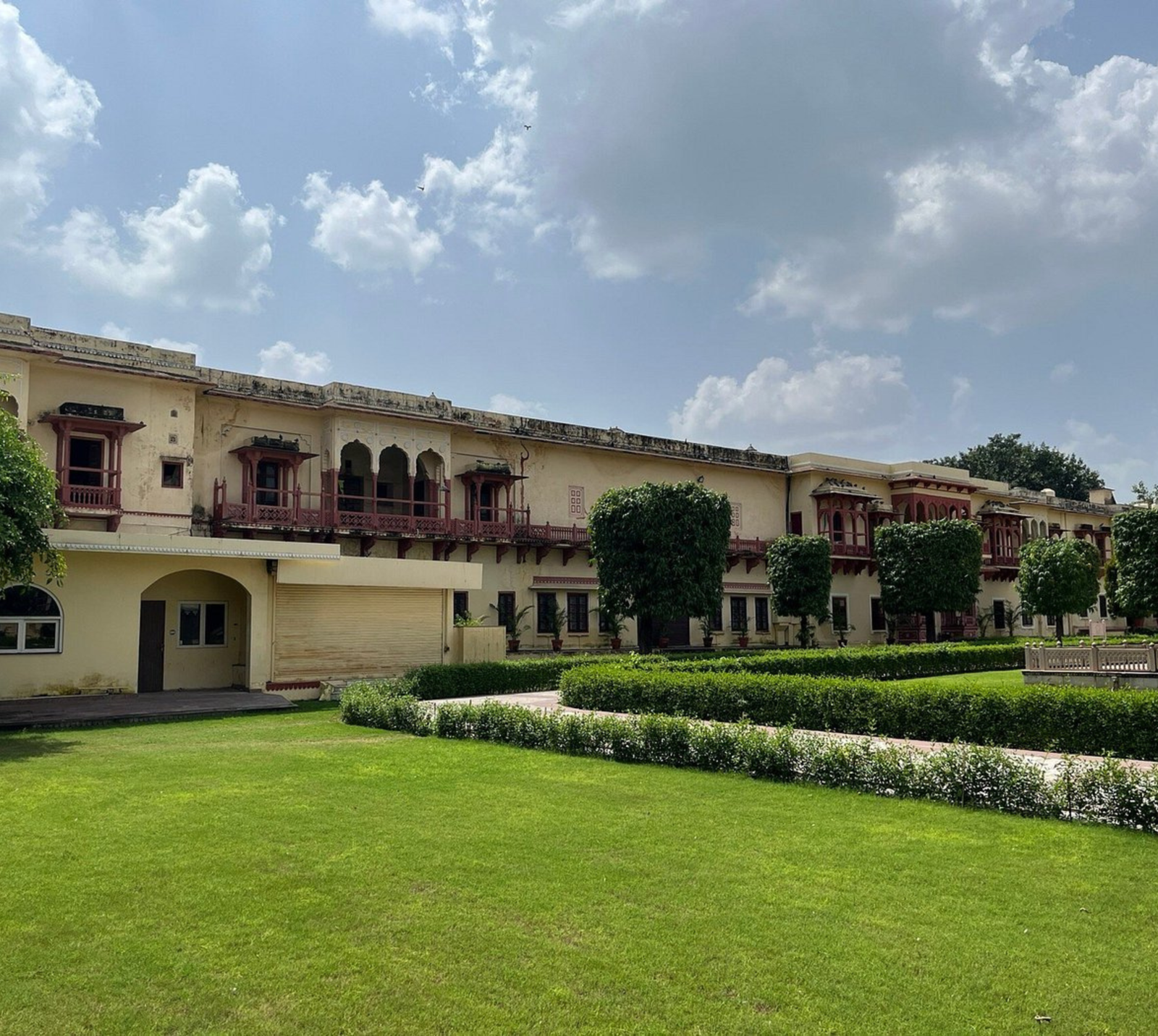
Gardens Courtyards scaled

Gardens & Courtyards

Lush gardens and sprawling courtyards provide serene spaces for visitors to relax and admire the architectural beauty. The Tripolia Gate and Suraj Pol are popular destinations for photography enthusiasts.
Visitor Information, Timings, Entry and How to Reach

Essential details to help you plan your visit with ease.

Best Time to Visit City Palace

Entry Fee

How to Reach

Tips for Visiting the City Palace, Jaipur

Planning your visit to the City Palace with these practical tips will enhance your experience:
fish

Nearby Attractions to City Palace

Discover the notable sights and cultural landmarks located close to City Palace.
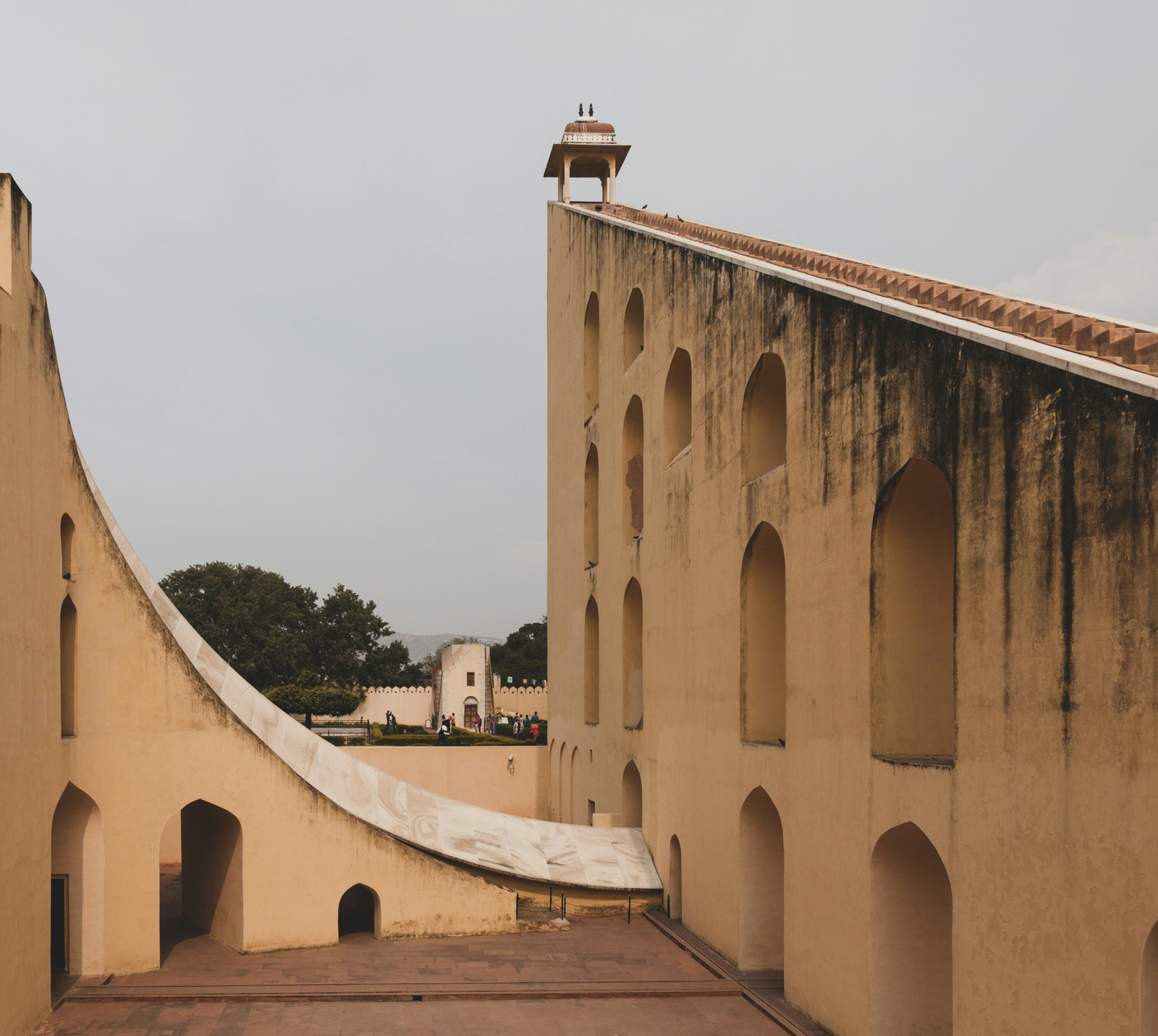
Vrihat Samrat Yantra at the Jantar Mantar observatory in Jaipur, Rajasthan, India.

Jantar Mantar

1.5 km, a UNESCO World Heritage site.
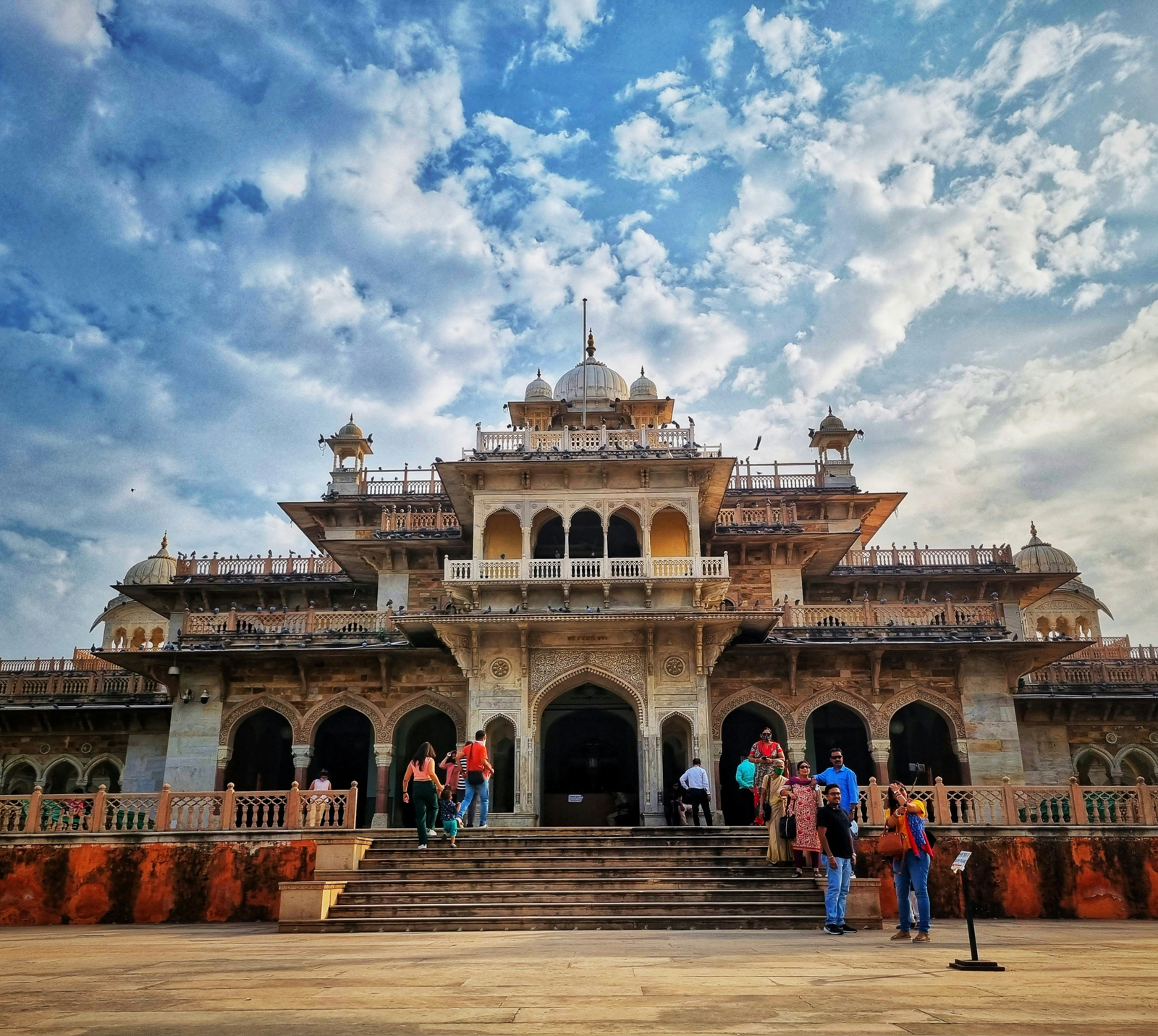
Albert Hall Museum in Jaipur, Rajasthan, is the oldest museum in the state, functioning as the State Museum of Rajasthan.

Albert Hall Museum

3 km, an Indo-Saracenic architectural marvel.
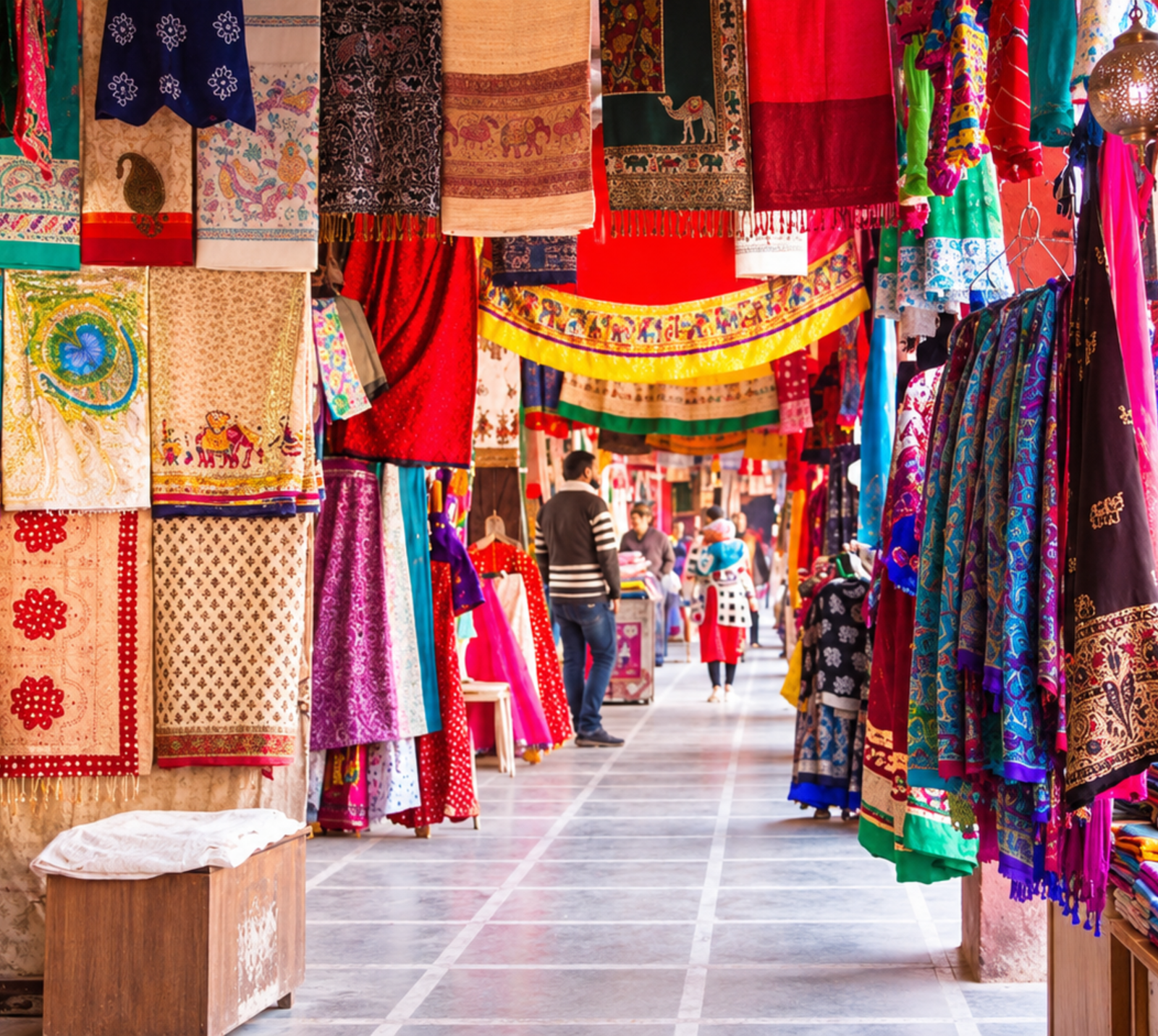
Jaipur Bazaar scaled

Jaipur Bazaar (Johari & Bapu Bazaars)

1 km, for shopping for traditional textiles and jewellery.

Suggested Itinerary

Start at City Palace in the morning, explore Hawa Mahal, have lunch at a nearby café, and visit local bazaars in the afternoon.

FAQs

Find quick answers to common questions before planning your visit to City Palace Jaipur.
1. Who built City Palace, Jaipur, and when?
Maharaja Sawai Jai Singh II, the founder of Jaipur, commissioned City Palace between 1729 and 1732, with its original layout guided by chief architect Vidyadhar Bhattacharya. Successive Maharajas expanded the complex over the following two centuries.
The earliest sections, including the outer walls and Chandra Mahal, follow the Rajput and Mughal design principles set out by Vidyadhar Bhattacharya in the 1730s. European elements were added later, most notably in Mubarak Mahal, built in the late nineteenth century for Maharaja Madho Singh II by British architect Sir Samuel Swinton Jacob.
Yes, the upper floors of Chandra Mahal remain a private residence for descendants of the Jaipur royal family, while the rest of the complex operates as a museum open to visitors.
No, City Palace is privately owned and run by the Jaipur royal family’s own trust, unlike government-managed sites such as Amer Fort and Hawa Mahal. This is also why its ticketing and pricing structure differs from other monuments in the city.
City Palace is known for its royal heritage, Indo-Mughal architecture, exquisite museums, and opulent courtyards.
A visit typically takes 2 to 3 hours, or a little longer for a comprehensive tour covering all the museums and courtyards.
Absolutely. It provides historical, architectural, and cultural insight, making it a must-visit in Jaipur.
₹200 for Indians, ₹700 for foreigners, with additional camera charges.
Yes, official guides and audio guides are available for an in-depth experience.
Yes, with applicable camera fees; some areas may restrict photography.
Early morning or late afternoon; October to March is ideal for sightseeing.
Approximately 500 metres, making it easily accessible on foot.
Chandra Mahal, Mubarak Mahal, Diwan-i-Khas, Sheesh Mahal, armoury, and museums.

Yes, from heritage haveli in Jaipur like Dera Mandawa to luxury hotels like Rambagh Palace.

Book your stay with us now