

Albert Hall Museum

lotus

Overview

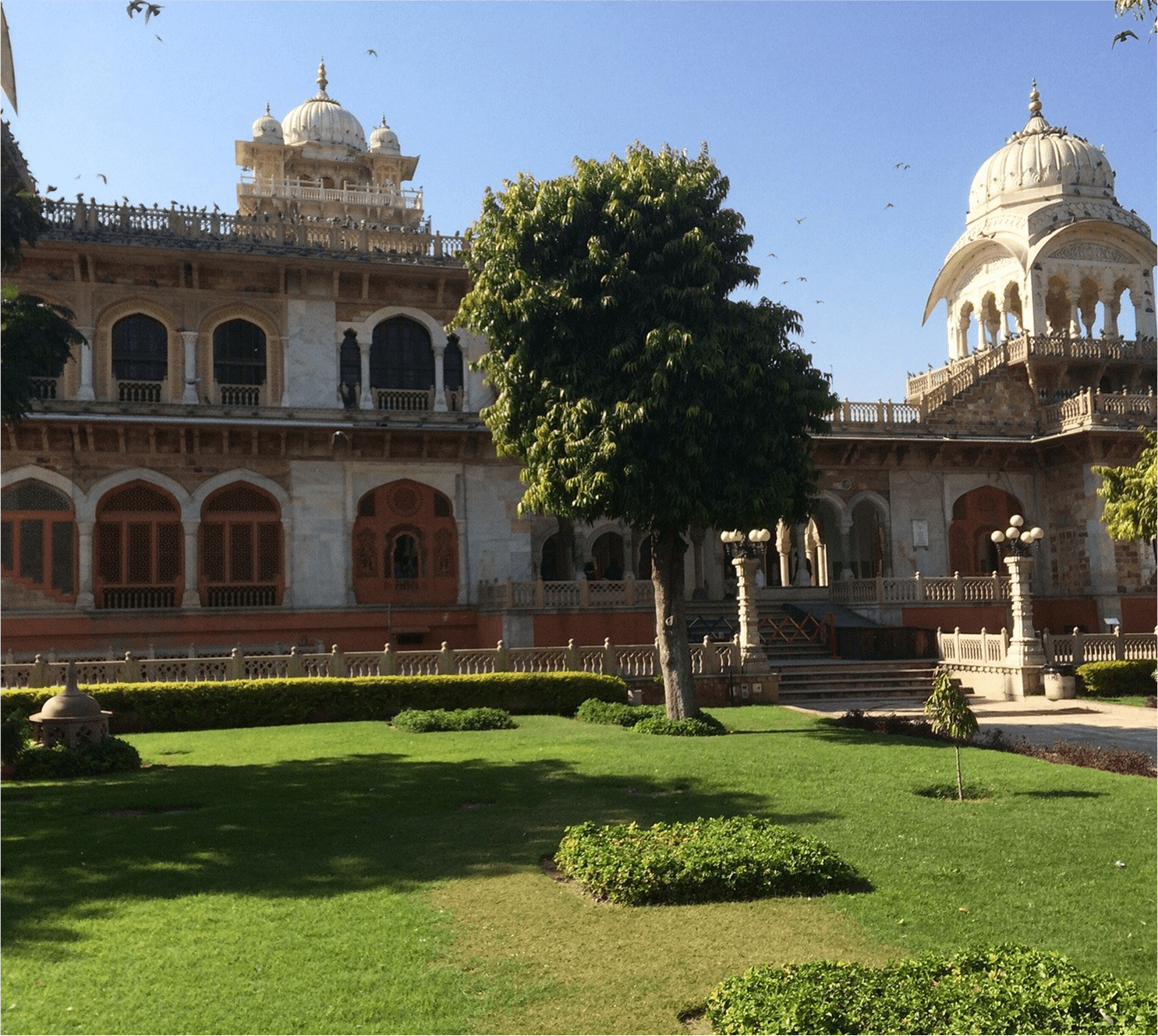
Albert Hall Museum stands as a striking landmark in Jaipur’s Ram Niwas Garden, known for its Indo-Saracenic architecture and wide-ranging collections. As Rajasthan’s oldest museum, it is also one of the most photographed buildings in the Pink City. 

From the Egyptian mummy in its basement gallery to its miniature paintings and royal jewellery, Albert Hall Museum houses treasures spanning centuries and continents, making it a rewarding stop for history enthusiasts, art lovers, and anyone exploring Jaipur’s landmarks.

Location

Ram Niwas Garden, Ashok Nagar, Jaipur, Rajasthan, India.

Timings

Museum – 9:00 AM – 5:00 PM
Sound & Light Show – 7:00 PM – 8:00 PM

Entry Fee

Indians – 40
Foreigners – 300

Time Required

2-3 hours
lotus

What is the History of Albert Hall Museum?

Albert Hall Museum’s foundation stone was laid in 1876 by Albert Edward, Prince of Wales, who later became King Edward VII, though the building only became a museum after Maharaja Sawai Ram Singh II’s original plan for a town hall was set aside. Designed by British architect Sir Samuel Swinton Jacob, it opened to the public in 1887 under Ram Singh II’s successor, Maharaja Sawai Madho Singh II. Today it is Rajasthan’s oldest museum and one of Jaipur’s most recognisable Indo-Saracenic landmarks.

Maharaja Sawai Ram Singh II commissioned the building in 1876, timed to mark a visit from Albert Edward, Prince of Wales, who laid its foundation stone on 6 February that year. Ram Singh II’s original idea was for a town hall, a space for public gatherings rather than a museum, and construction proceeded on that basis under the direction of British architect Sir Samuel Swinton Jacob, assisted by Mir Tujumool Hoosein.

The plan changed in the early 1880s, when Dr Thomas Holbein Hendley, a British surgeon working in Jaipur, proposed turning the building into a museum of industrial arts to showcase local craftsmanship. Ram Singh II’s successor, Maharaja Sawai Madho Singh II, took up the idea, and the building opened to the public as a museum in 1887, the same year an Egyptian mummy arrived in Jaipur as a gift from the Cairo Museum and eventually joined its collection.

The museum’s design follows the Indo-Saracenic style, mixing Indian, Islamic, and Gothic elements, and was inspired in part by the Victoria and Albert Museum in London. It was renovated in 2008 and remains the State Museum of Rajasthan today, holding thousands of artefacts across its galleries.

Albert Hall Museum Through the Centuries

  • 1868: Maharaja Sawai Ram Singh II establishes Ram Niwas Garden, the grounds where the museum now stands.
  • 1876: Ram Singh II commissions the building, and Albert Edward, Prince of Wales, lays its foundation stone on 6 February, with the building first planned as a town hall.
  • Early 1880s: Dr Thomas Holbein Hendley proposes converting the building into a museum of industrial arts, an idea taken up by Ram Singh II’s successor, Maharaja Sawai Madho Singh II.
  • 1887: The building, designed by Sir Samuel Swinton Jacob, opens to the public as a museum, the same year the Egyptian mummy Tutu arrives in Jaipur as a gift from the Cairo Museum.
  • 2008: The museum undergoes a major renovation and reopens with updated galleries and facilities.
  • Present day: Albert Hall Museum operates as the State Museum of Rajasthan and remains one of Jaipur’s most visited landmarks.
fish

Main Attractions & Exhibits at Albert Hall Museum

A quick overview of the key highlights worth your attention.

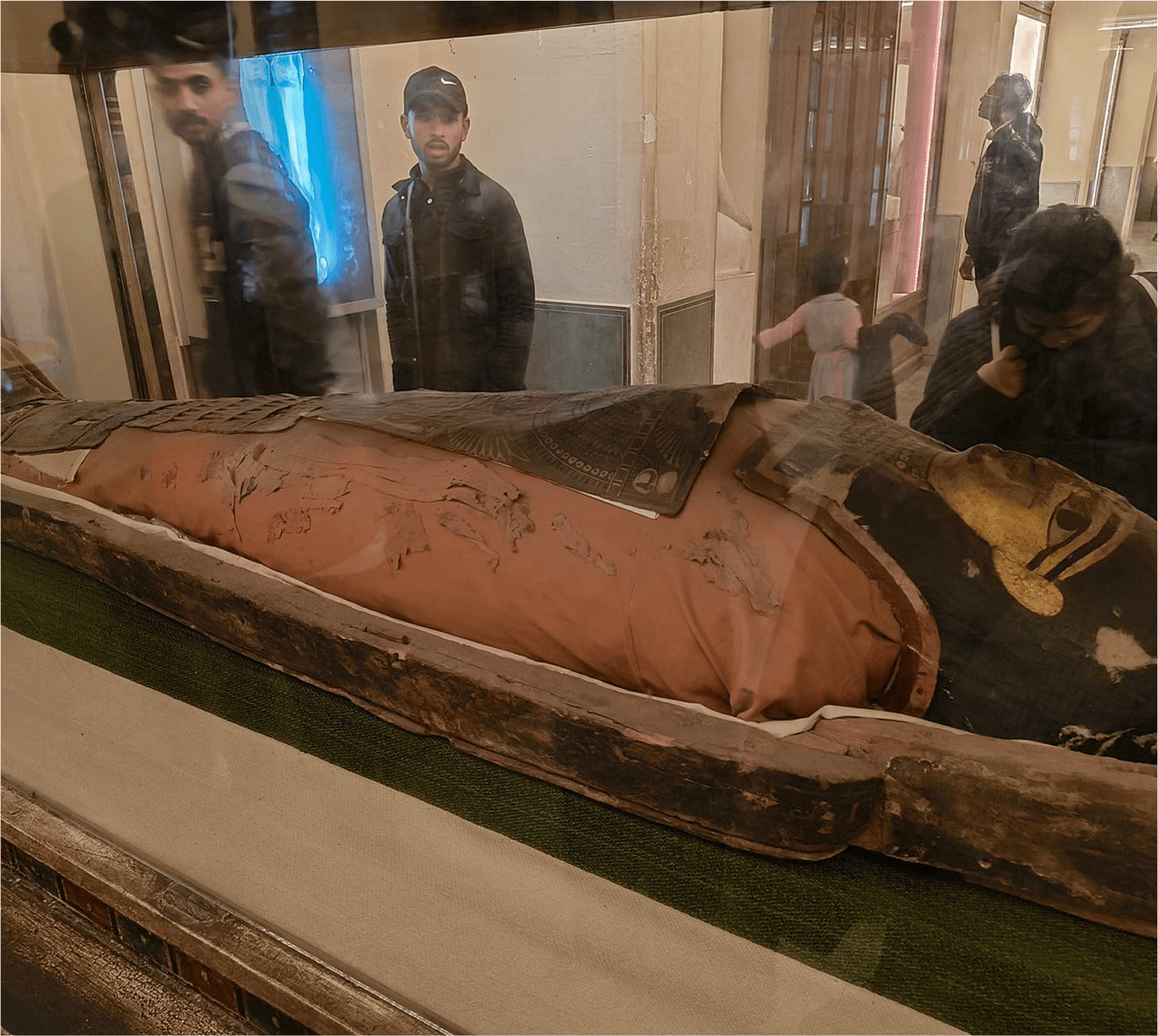
The image displays an ancient Egyptian mummy, named Tutu, at the Albert Hall Museum in Jaipur, India.

The Egyptian Mummy: Star Attraction

The most famous exhibit at the Albert Hall Museum is undoubtedly the Egyptian mummy, which attracts thousands of curious visitors each year. This authentic mummy, dating back over 2,300 years, was acquired from Cairo in the early 20th century and remains one of the very few Egyptian mummies displayed in India. The mummy belongs to a female named Tutu and is preserved in a climate-controlled display case, offering visitors a rare glimpse into ancient Egyptian burial practices.
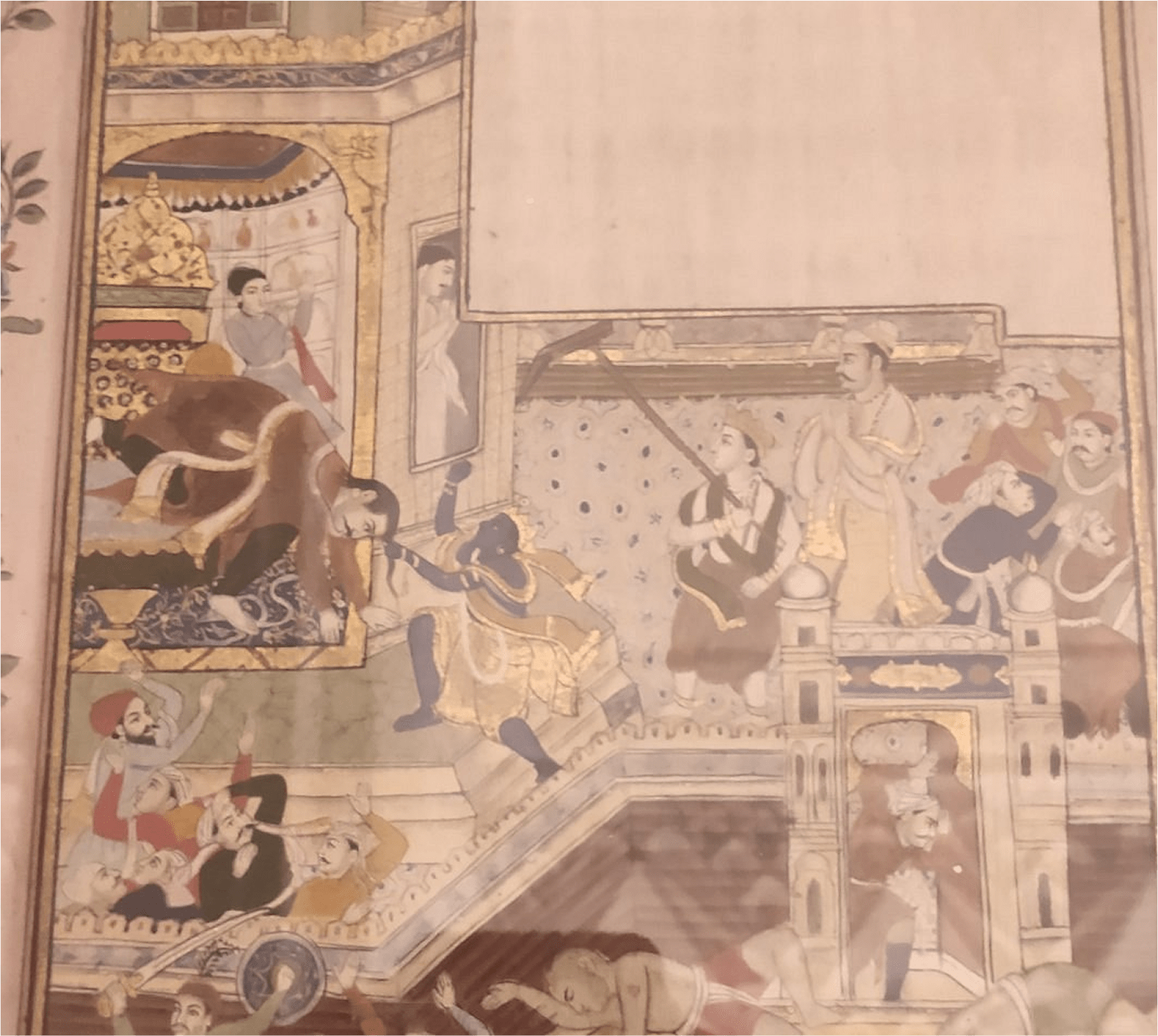
This artwork is an Indian miniature painting, possibly from a Ramayana series, illustrating a scene of intense action or conflict

Miniature Paintings Collection

The Albert Hall Museum houses an exceptional collection of Rajasthani and Mughal miniature paintings that showcase the evolution of Indian art over the centuries. These delicate artworks feature intricate details, vibrant colours, and themes ranging from courtly life to mythological stories. The miniature painting gallery is particularly valuable for art historians and enthusiasts interested in traditional Indian artistic techniques.
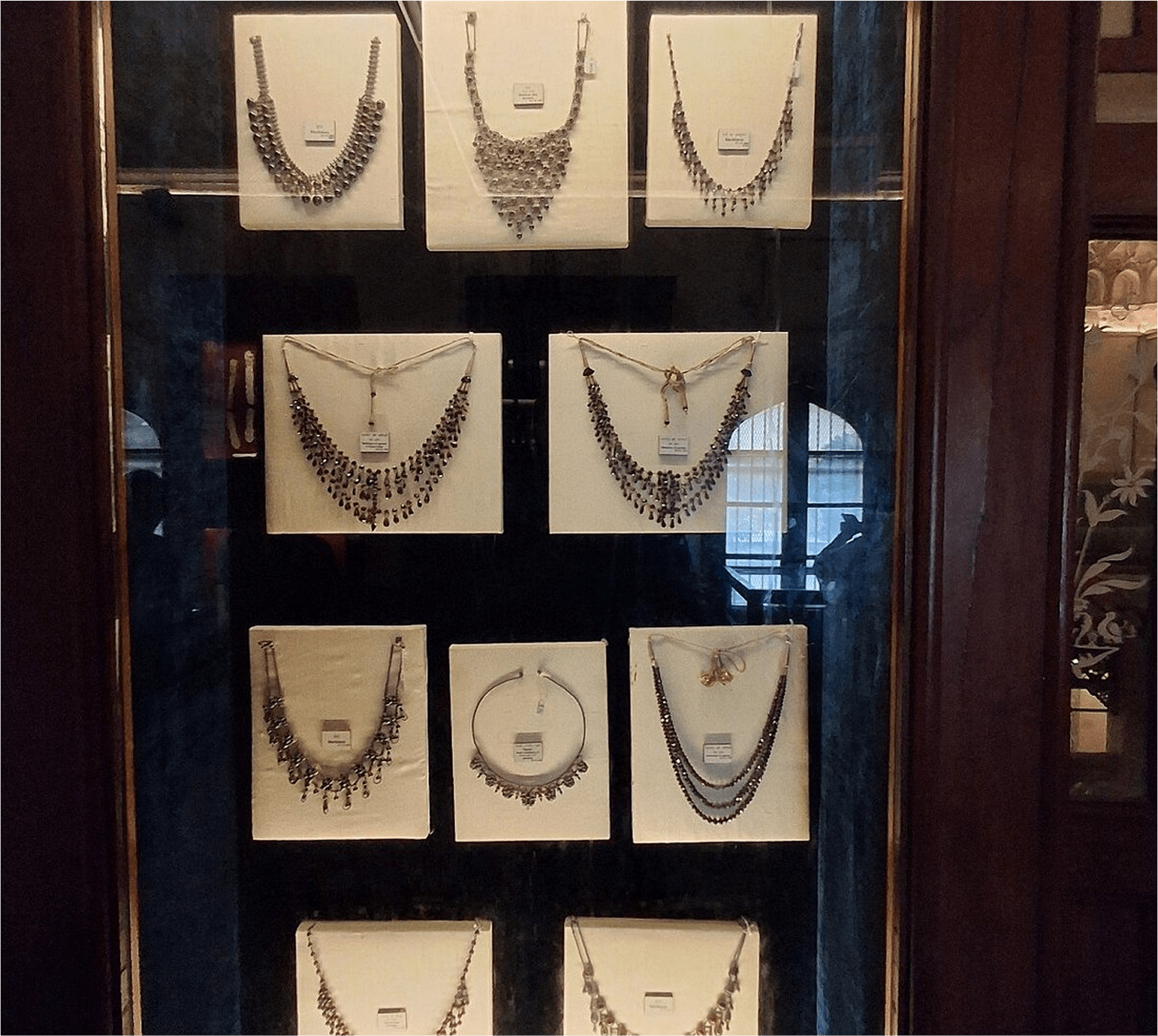
The image displays a collection of traditional Indian jewelry showcased at the Albert Hall Museum in Jaipur, India.

Jewellery & Textiles Gallery

The textile and jewellery section displays exquisite examples of Rajasthani craftsmanship, including traditional ornaments, embroidered garments, and decorative textiles. Visitors can admire antique jewellery pieces adorned with precious stones, silverwork, and the famous meenakari (enamel) technique for which Jaipur is renowned. The textile collection includes royal costumes, traditional turbans, and intricately woven fabrics that reflect the region's rich sartorial heritage.
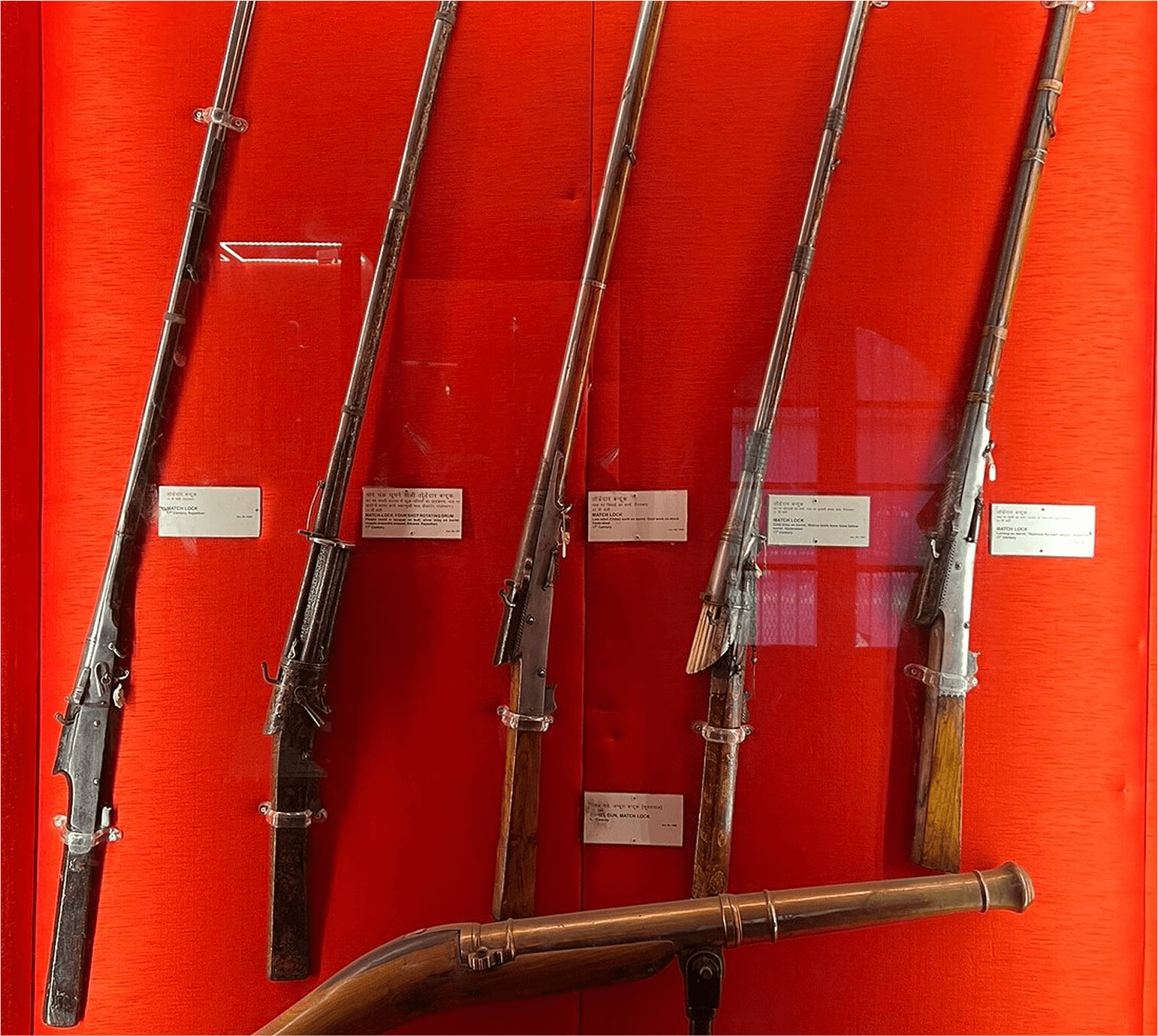
This image displays antique weapons housed in a museum setting, specifically the Albert Hall Museum in Jaipur, Rajasthan.

Arms & Weapons Display

The arms gallery showcases an impressive collection of medieval weapons, including swords, daggers, shields, and armour used by Rajput warriors. Each piece tells a story of valour and craftsmanship, with elaborately decorated hilts and scabbards that transform functional weapons into works of art. The collection provides insights into the martial traditions and warfare techniques of historical Rajasthan.
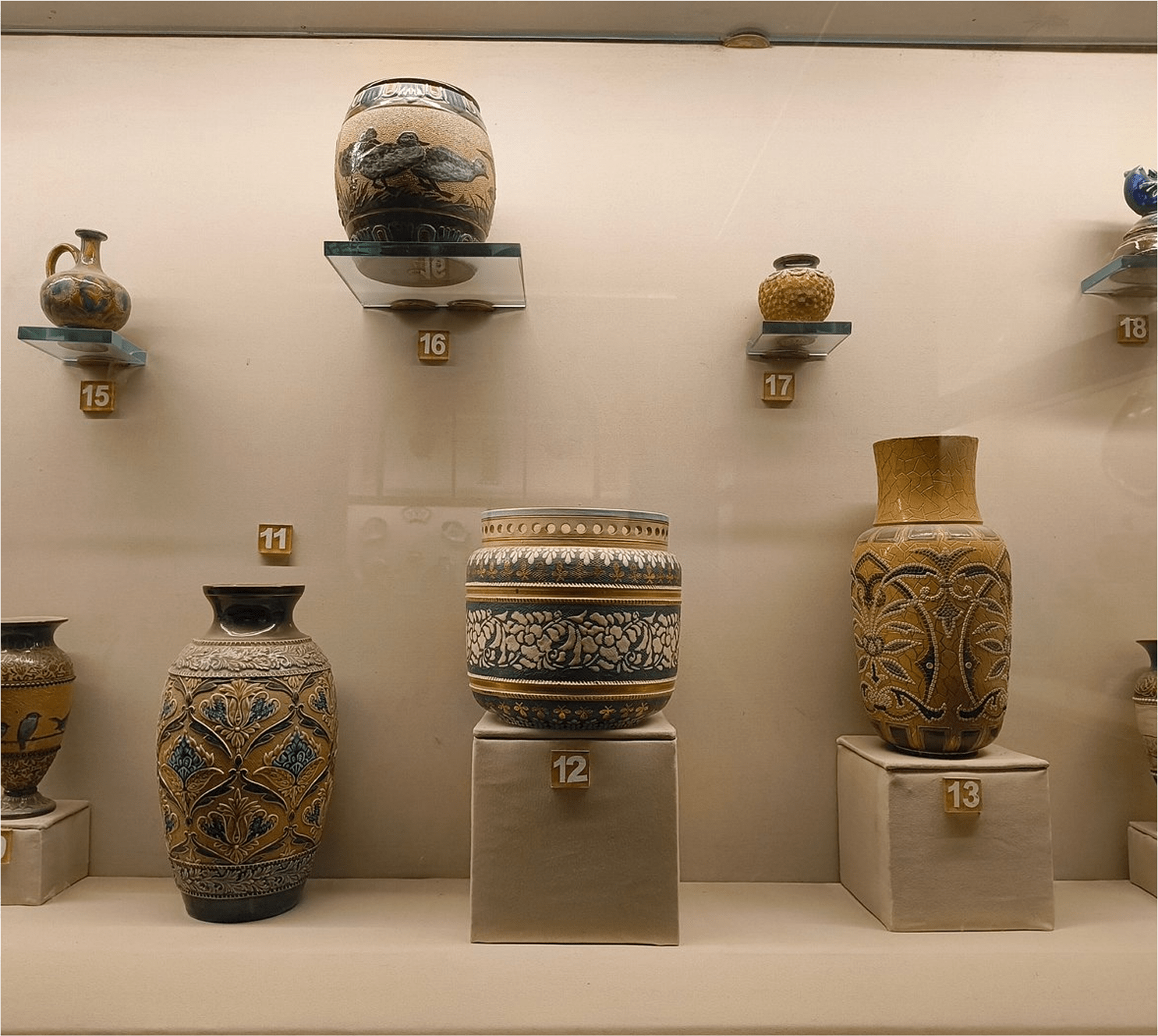
The image displays a collection of pottery on exhibit at the Albert Hall Museum in Jaipur, Rajasthan, India.

Clay Art & Pottery

The pottery section showcases terracotta sculptures, clay artefacts, and ceramic pieces from various regions of India. This collection demonstrates the diversity of pottery traditions and the evolution of ceramic art forms across different Indian cultures. Traditional Rajasthani pottery, with its distinctive shapes and designs, occupies a prominent place in this gallery.
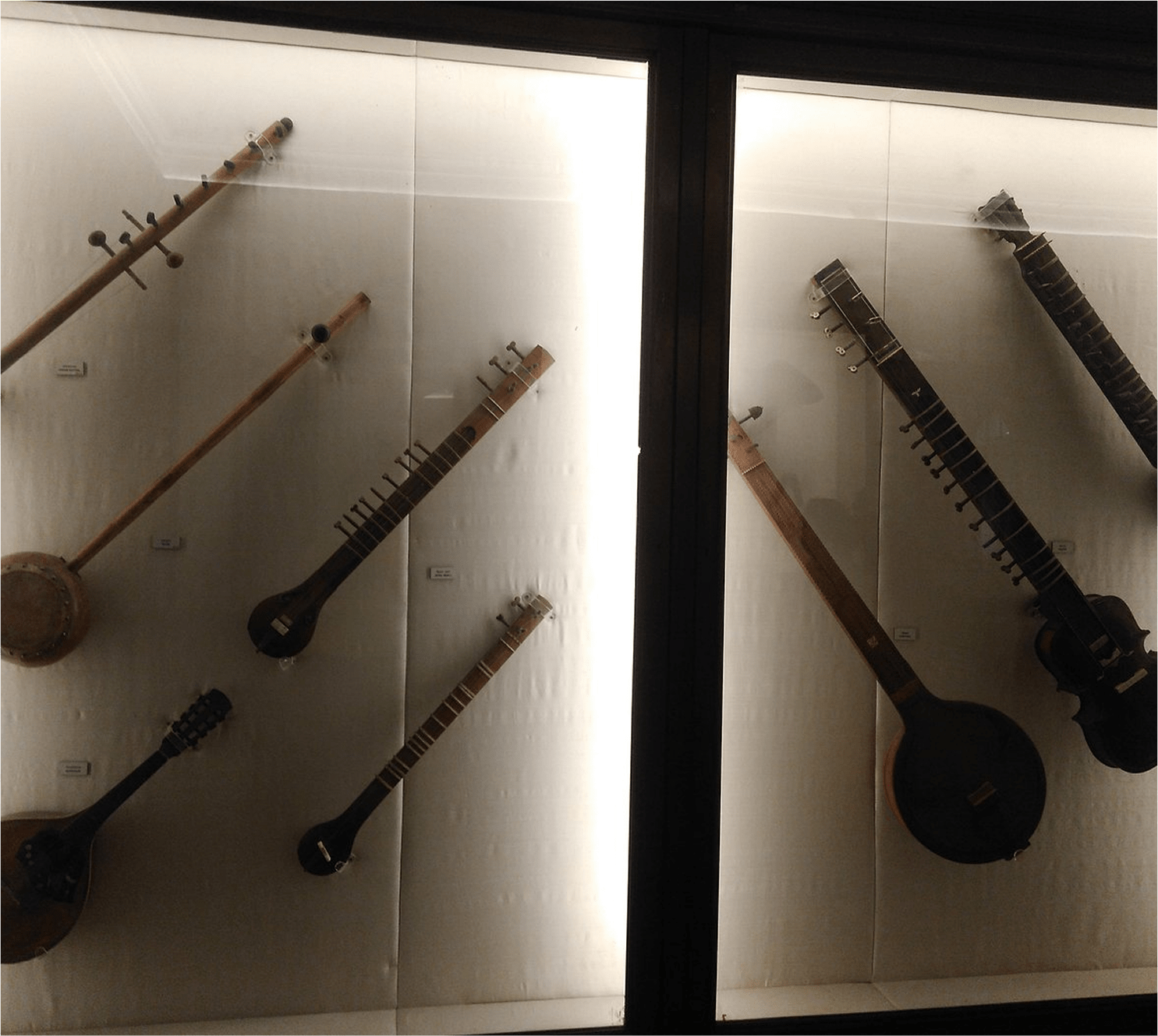
The image displays a collection of traditional Indian musical instruments, predominantly sitars, in a museum exhibit.

Musical Instruments Collection

Music enthusiasts will appreciate the diverse collection of traditional Indian musical instruments, including sitars, tablas, santoors, and various folk instruments from Rajasthan. The display educates visitors about India's rich musical heritage and the intricate craftsmanship involved in creating these melodious instruments.
Visitor Information: Timings, Entry Fee & How to Reach

Essential details to help you plan your visit with ease.

Timings & Best Time to Visit

Museum Timings:

Sound & Light Show:

Best Time to Visit:

Entry Fee & Tickets

Museum Entry Fee:

Additional Charges:

Money-Saving Tip:

How to Reach

By Auto/Taxi:

By Public Transport:

Parking:

Stay Nearby:

Tips for Visiting the Albert Hall Museum

Planning your visit to the Albert Hall Museum with these practical tips will enhance your experience:

Photography Tips:

What to Wear:

Duration & Planning:

Facilities Available:

Sound & Light Show at Albert Hall Museum

The sound and light show at Albert Hall Museum offers a captivating journey through Rajasthan’s glorious history and Jaipur’s founding story. This evening spectacle transforms the museum into a luminous canvas where history comes alive through visual projections, dramatic lighting, and engaging narration.

Show Details:

What to Expect:

Is It Worth Attending?

Booking:

fish

Nearby Attractions to Albert Hall Museum

Discover the notable sights and cultural landmarks located close to Albert Hall Museum.
The image shows the Albert Hall Museum in Jaipur, Rajasthan, India.

Ram Niwas Garden

Surrounding the Albert Hall Museum, Ram Niwas Garden is a sprawling public park built by Maharaja Sawai Ram Singh in 1868. This lush green space offers a refreshing escape from the city's bustle, featuring well-maintained pathways, fountains, and shaded areas that are perfect for relaxation after exploring the museum.
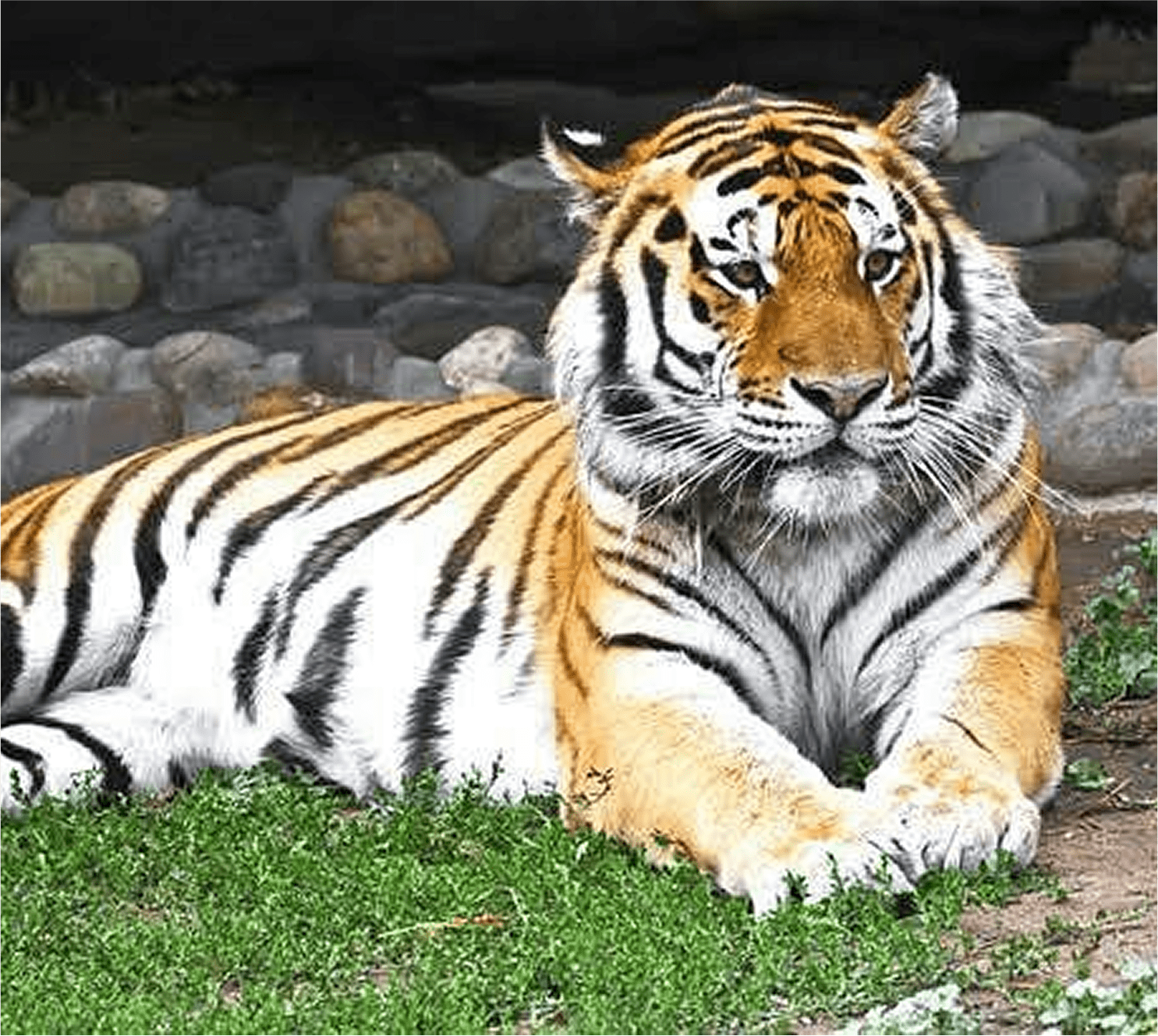
Siberian Tiger Jaipur Zoo

Jaipur Zoo (Jaipur Zoological Garden)

Located within Ram Niwas Garden, the Jaipur Zoo is one of the oldest zoos in India, housing a diverse range of species, including Bengal tigers, leopards, crocodiles, and numerous bird species. It's an excellent addition to your itinerary, especially if travelling with children.
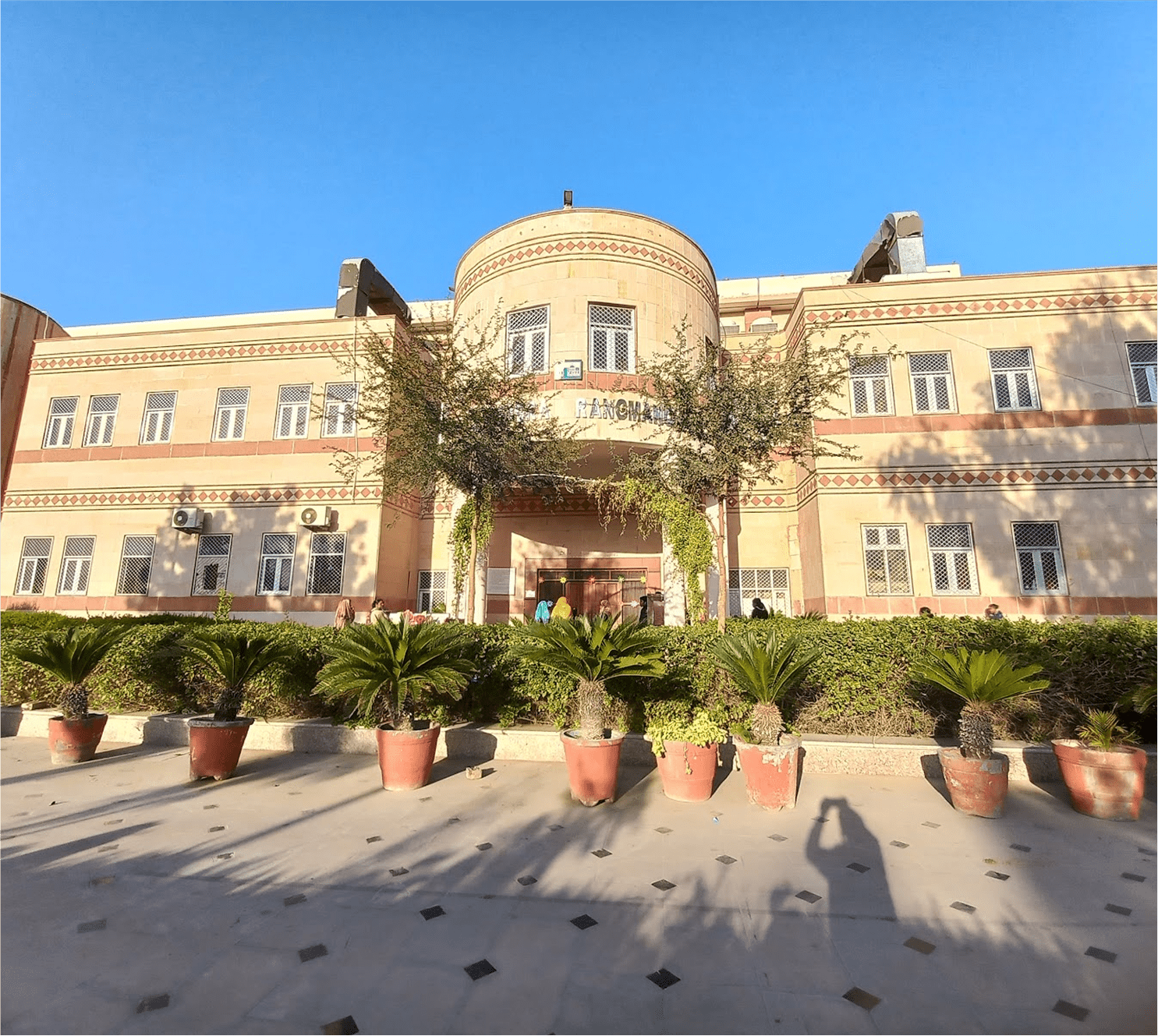
The image shows the exterior of the Ravindra Rangmanch theatre in Bikaner, Rajasthan.

Ravindra Rang Manch & Art Gallery

This cultural centre hosts theatre performances, art exhibitions, and cultural events. The adjoining art gallery displays contemporary and traditional artworks by local and national artists.

Other Nearby Must-Visit Attractions:

Within 3 km:

Combined Itinerary Suggestion:

End Your Day Right:

FAQs

Find quick answers to common questions before planning your visit to Albert Hall Museum.
1. Who built Albert Hall Museum, and when?

Maharaja Sawai Ram Singh II laid the groundwork in 1876, and the building was designed by British architect Sir Samuel Swinton Jacob. It was completed and opened to the public in 1887, under Ram Singh II’s successor, Maharaja Sawai Madho Singh II.

The building is named after Albert Edward, the Prince of Wales, who laid its foundation stone during a visit to Jaipur in 1876. He later became King Edward VII.

No. It was originally planned as a town hall for public gatherings. Maharaja Sawai Madho Singh II decided to turn it into a museum in the early 1880s, and it opened to the public in that form in 1887.

It is Rajasthan’s oldest museum, known for its Indo-Saracenic architecture and for housing one of the few Egyptian mummies on display in India, alongside miniature paintings, jewellery, arms, and pottery collections.

A visit typically takes 2 to 3 hours. Add another hour if you are attending the evening sound and light show.

₹40 for Indian nationals, ₹300 for foreign tourists, and ₹20 for Indian students with valid ID. Camera fees are extra: ₹50 for a still camera and ₹100 for a video camera.

Albert Hall Museum is open daily from 9:00 AM to 5:00 PM, with the ticket counter closing at 4:30 PM. The evening sound and light show runs from 7:00 PM to 8:00 PM. The museum remains closed on major public holidays. The best time to visit is during early morning or late afternoon to avoid crowds.

Yes, after paying the camera fee, though some galleries restrict photography and flash is not permitted.

The museum is open daily from 9 AM to 5 PM, with the ticket counter closing at 4:30 PM. The sound and light show runs separately from 7 PM to 8 PM.

Albert Hall Museum is about 2.5 km from Hawa Mahal and 3 km from City Palace, both a short drive away.

Yes, official guides are available for around ₹200 to 300, and audio guides can be rented at the ticket counter.

It is a good option if you enjoy immersive storytelling, narrating Jaipur’s founding and the museum’s own history through lighting and projection on the façade. It runs for 50 minutes and costs ₹100 per person.

The Albert Hall Museum is located approximately 2.5 km from Hawa Mahal, a roughly 10-minute drive away. This proximity makes it convenient to visit both landmarks in a single day. Many tourists prefer to explore Hawa Mahal in the afternoon and return to Albert Hall for the evening illumination and sound and light show.
Yes, students receive significant discounts at the Albert Hall Museum. With a valid student ID card, the entry fee is reduced to just ₹20 compared to the regular ₹40 for Indian nationals. This student concession makes the museum highly accessible for educational visits and budget-conscious travellers.

Book your stay with us now