

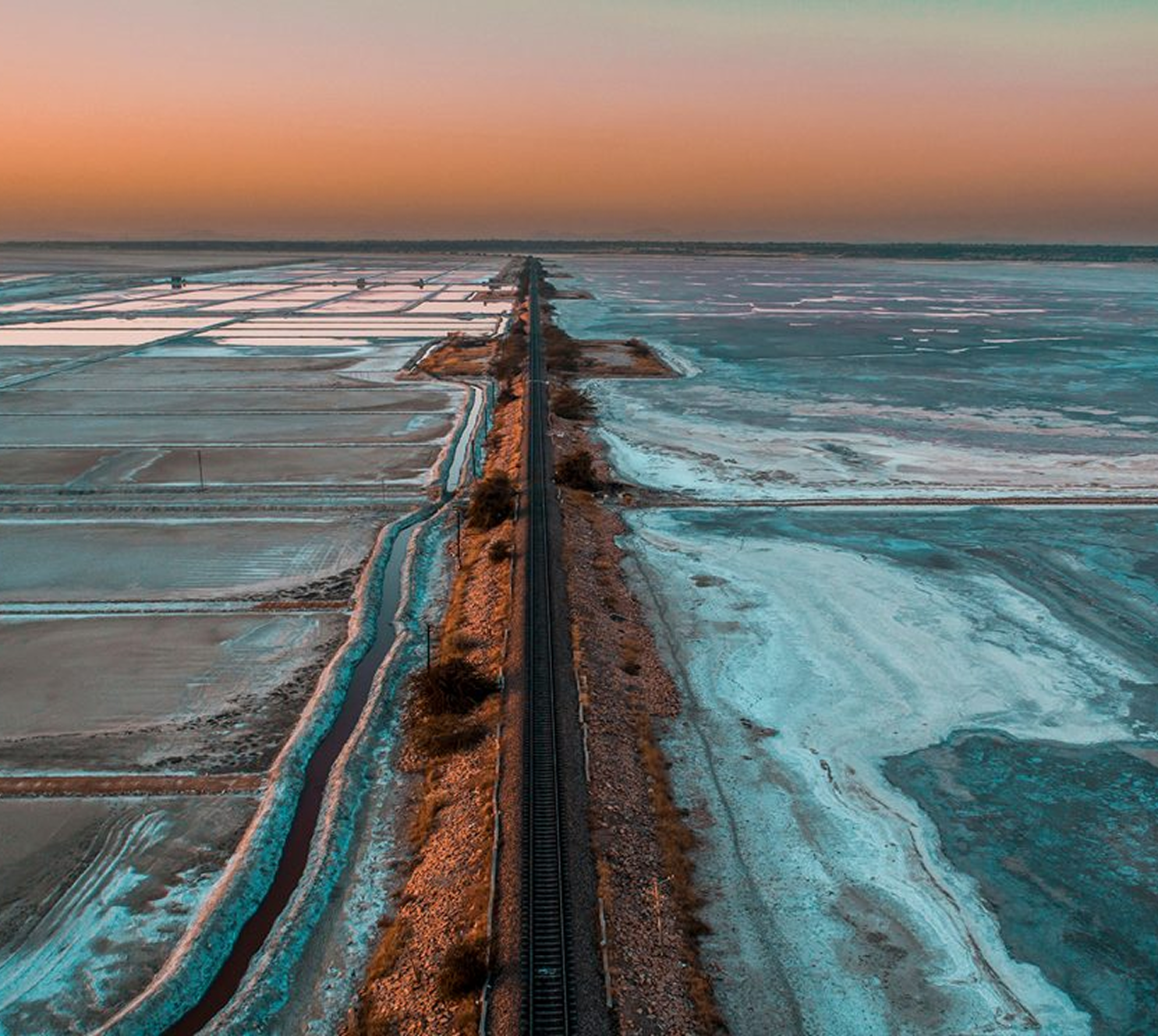
Sambhar Lake

ico lotus 1

Overview

Sambhar Lake is India’s largest inland salt lake and one of the most surreal landscapes in Rajasthan. Spread across the districts of Jaipur, Ajmer and Nagaur, this vast saline wetland glitters like a sheet of white crystal under the desert sun, with the Aravalli hills framing the horizon. For over a thousand years, it has been the heart of Rajasthan’s salt trade, and today it is also recognised globally as a vital ecological site.
The lake draws an extraordinary mix of visitors. Birdwatchers come for the thousands of greater and lesser flamingos that arrive each winter, photographers chase their mirror-like reflections and pink-tinted waters, stargazers set up under its unpolluted desert skies, and history lovers explore the ancient temples and ruins that surround it. Sambhar offers a side of Rajasthan that feels worlds away from the forts and palaces of the tourist trail.

Location

Sambhar Lake Town

Entry Fee

No entry fee or permit required

Time Required

1 to 2 hours, ideally timed around sunrise or sunset
ico lotus 1

History & Significance of Sambhar Lake

The origins of Sambhar Lake are wrapped in both mythology and recorded history. According to legend, the lake was created by the goddess Shakambhari Devi, the tutelary deity of the Chauhan Rajputs, who is said to have transformed a forest of jewels into a vast plain of salt to ensure prosperity for the local people. The Mahabharata references the surrounding region as part of the kingdom of the demon king Vrishparva, and ancient texts also link Sambhar to the marriage of Devayani and Emperor Yayati.
Historically, Sambhar town was founded in the 6th century AD by Raja Vasudev of the Chauhan dynasty. The lake’s salt production was systematically managed under the Mughal empire, and after the joint armies of Jaipur and Marwar defeated the Mughal forces in 1709, the two princely states shared ownership of the lake and its revenue. In 1870, the lake was leased to the British, who built the salt railway and refining works that still operate today.
In March 1990, Sambhar Lake was designated a Ramsar site, recognising it as a wetland of international importance, particularly as a wintering ground for tens of thousands of flamingos, pelicans and other migratory birds from northern Asia and Siberia.
ico fish 1

Main Highlights & Features

A quick overview of the key highlights worth your attention.
Sambhar Lake Jaipur India's Largest Inland Salt Lake | Best Time to Visit | Dera Mandawa

India's Largest Inland Salt Lake

Sambhar stretches approximately 35.5 km in length, with widths varying between 3 and 11 km, and covers between 190 and 230 square kilometres depending on the season. Its catchment area extends across roughly 5,700 square kilometres, fed by ephemeral streams including the Mendha, Rupangarh, Khari and Khandela.
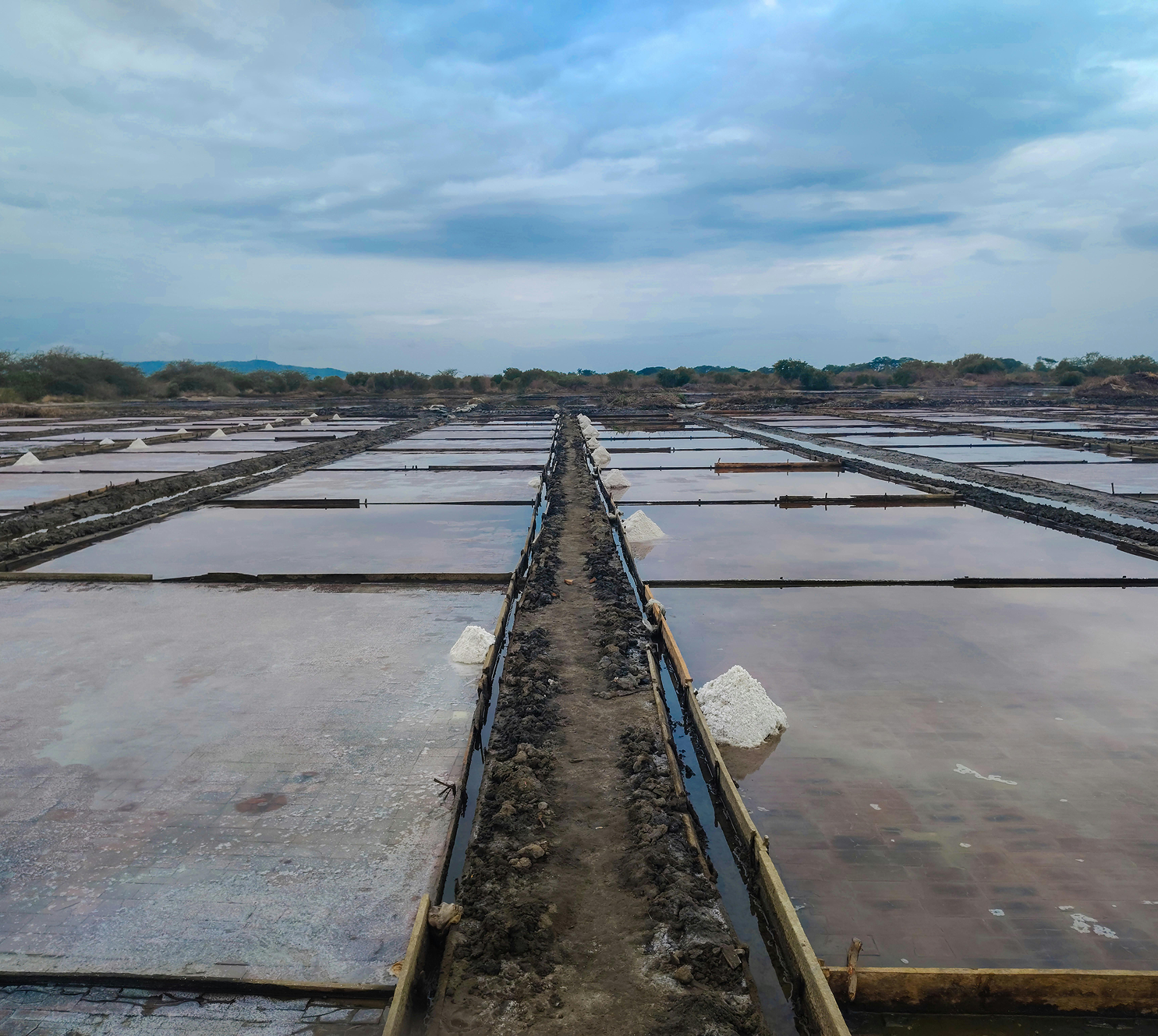
The Salt Pans and Heritage Dam

The Salt Pans and Heritage Dam

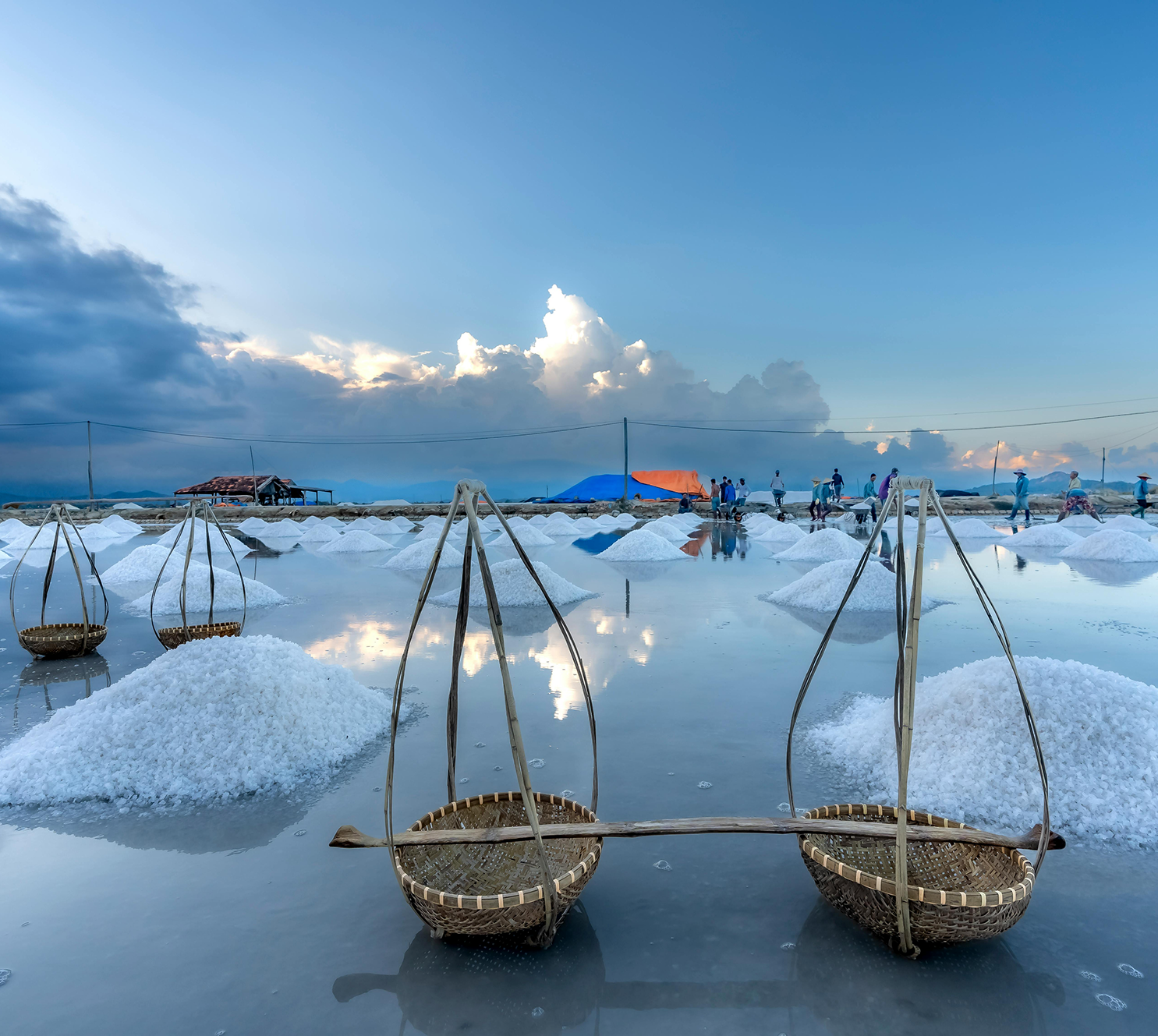
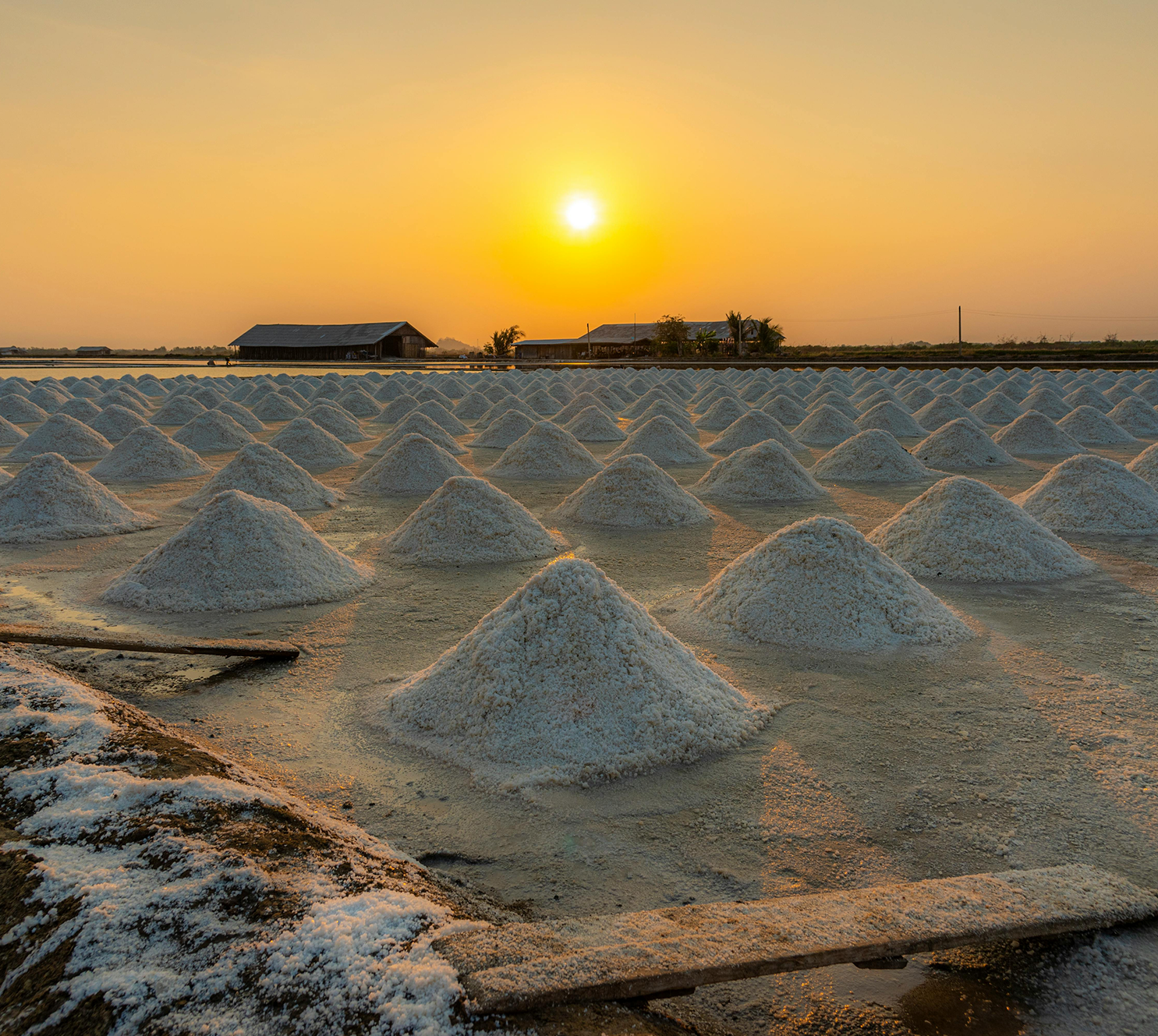
A 5.1 km-long sandstone dam built between the villages of Jhapok and Gudha divides the lake into two sections. The western part is a natural sheet of brine, while the eastern side is given over to salt evaporation pans that have been worked for over a thousand years.
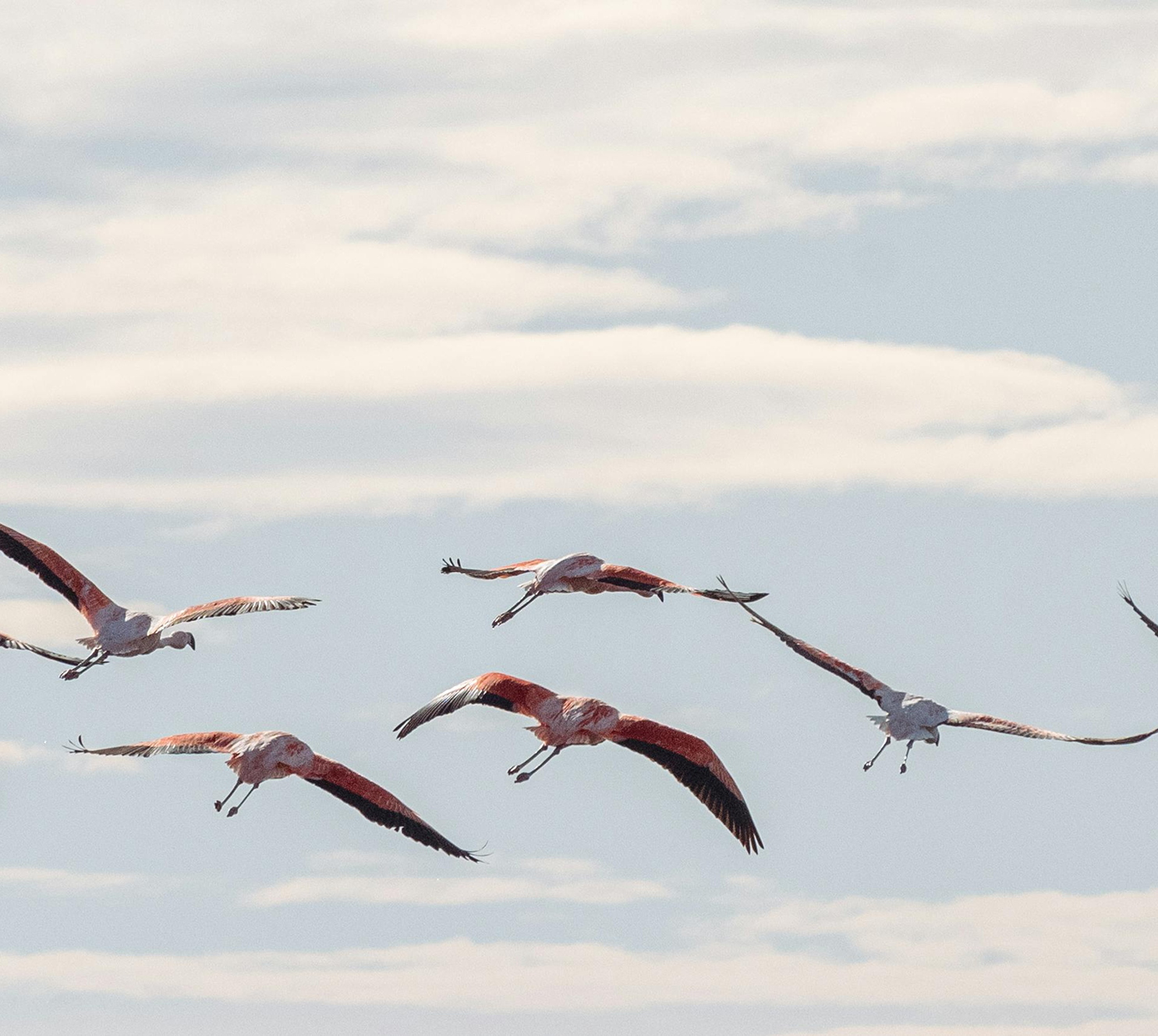
A Flamingo Paradise

A Flamingo Paradise

Sambhar is the second most important wintering and breeding ground for flamingos in India, after the Rann of Kutch. Both greater and lesser flamingos arrive in large numbers, alongside pelicans, northern shovelers, common cranes, pintails, bar-headed geese, tufted ducks and waders. More than 50 species of aquatic birds have been recorded here.
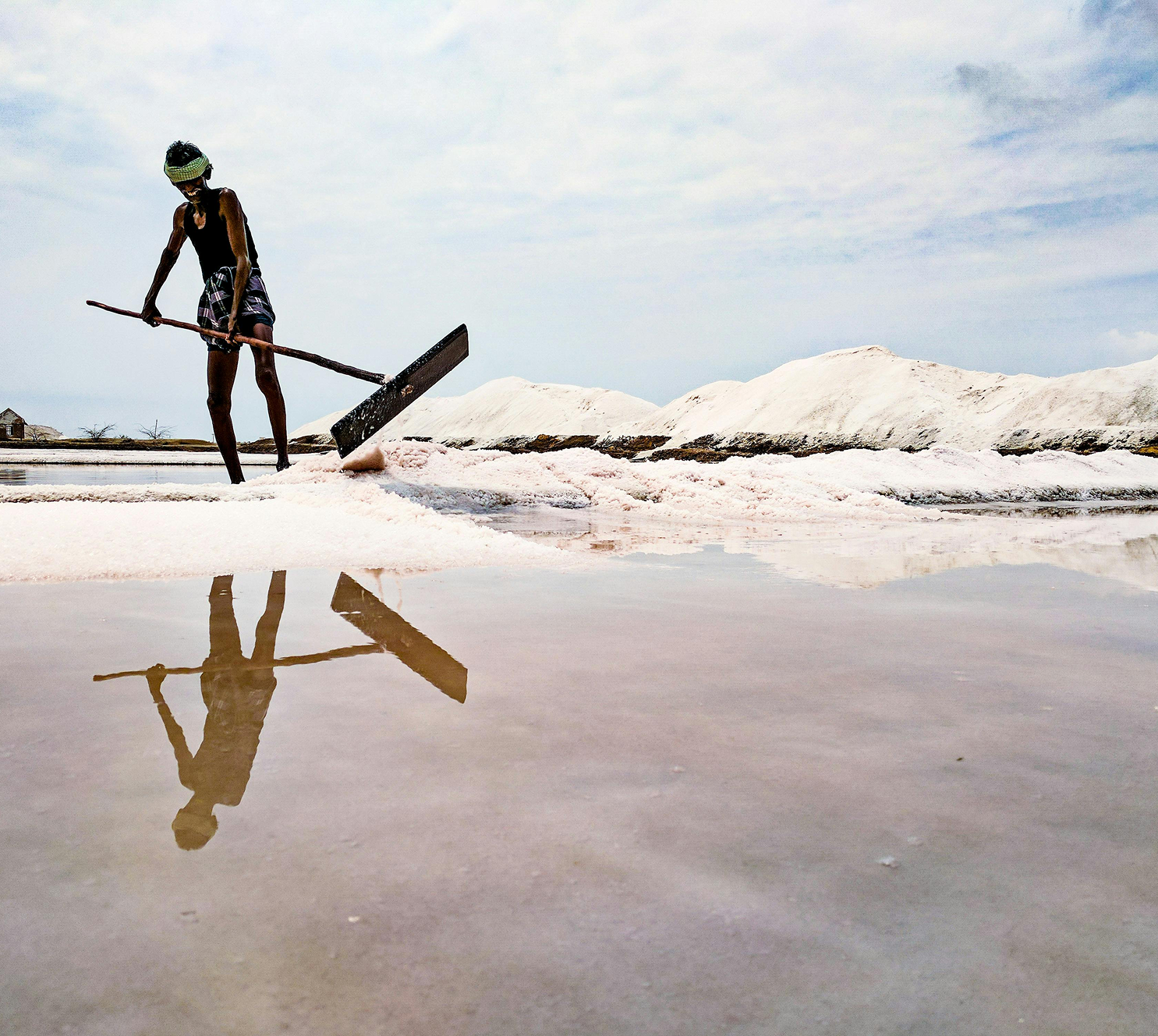
Pink Waters and White Salt Flats

Pink Waters and White Salt Flats

During the hotter months, microorganisms and algae thriving in the hypersaline water turn the lake a striking shade of pink, while the dry salt flats reflect the sky in mirror-like patterns that have drawn comparisons to the Rann of Kutch and the Salar de Uyuni.
The Heritage Salt Train

The Heritage Salt Train

It is a narrow-gauge railway laid by the British, which still runs across the lake bed, carrying salt from the pans to the refinery. This is one of the few railway tracks in India that runs across a lake.
Cinematic Fame

Cinematic Fame

Sambhar's striking landscapes have been captured in several Bollywood productions. The Sambhar Lake Town featured in Ashutosh Gowariker's epic Jodhaa Akbar (2008), and the popular song Sasural Genda Phool from Delhi-6 (2009) was filmed here.
Visitor Information: Timings, Entry Fee & How to Reach

Essential details to help you plan your visit with ease.

Timings & Best Time to Visit

Best Time to Visit

Best Season

How to Reach

From Jaipur

From Ajmer

Nearest Railway Station

Nearest Airport

Transport

Tips for Visiting Sambhar Lake

Planning your visit to the Sambhar Lake with these practical tips will enhance your experience:
ico fish 1

Nearby Attractions to Sambhar Lake

Discover the notable sights and cultural landmarks located close to Sambhar Lake.
Shakambhari Mata Temple

Shakambhari Mata Temple

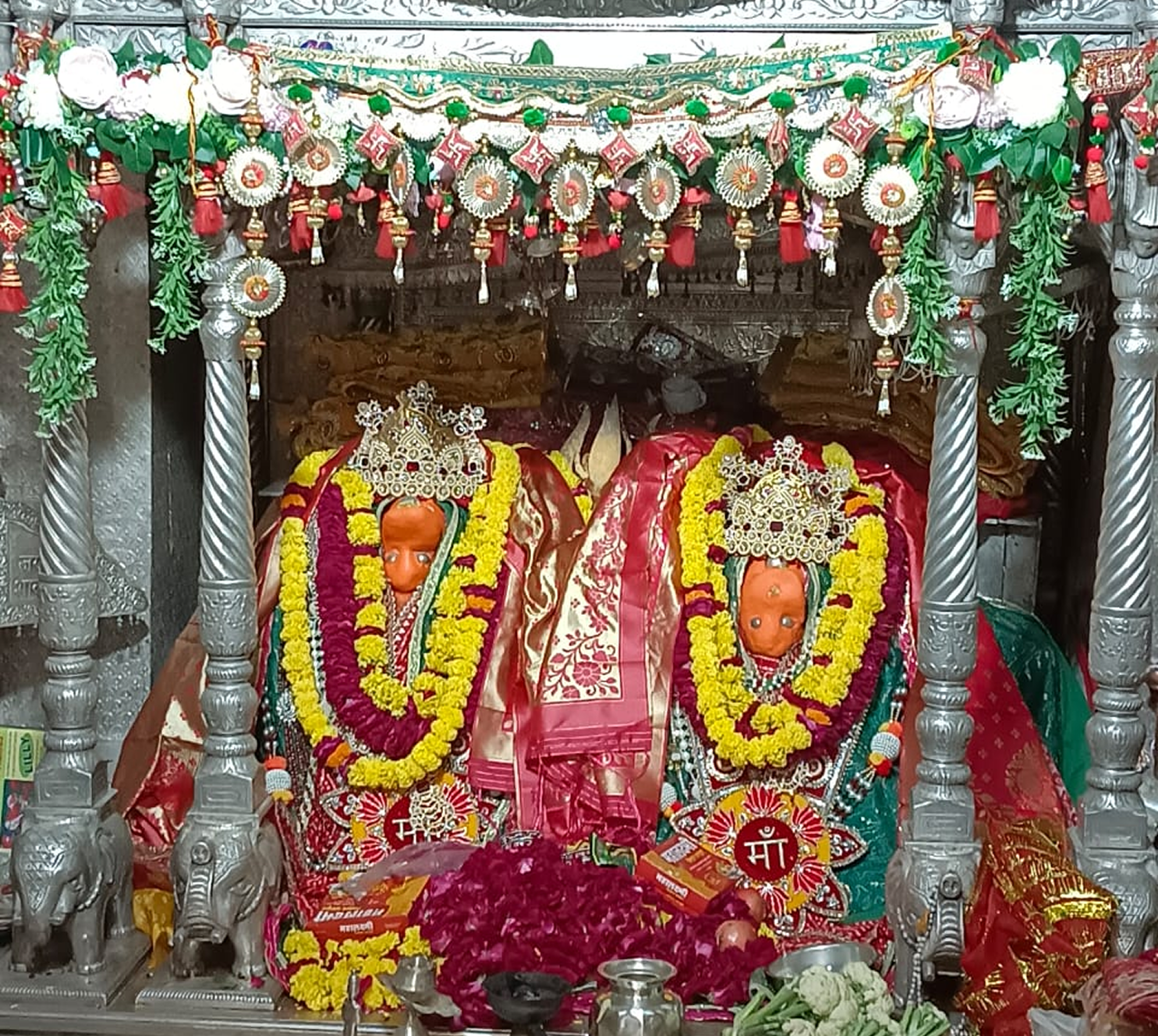
It is a revered temple devoted to the goddess credited with creating the lake, located on a rocky outcrop with sweeping views of the salt flats. A popular religious fair is held here every August.
Devyani Temple and Devyani Kund

Devyani Temple and Devyani Kund

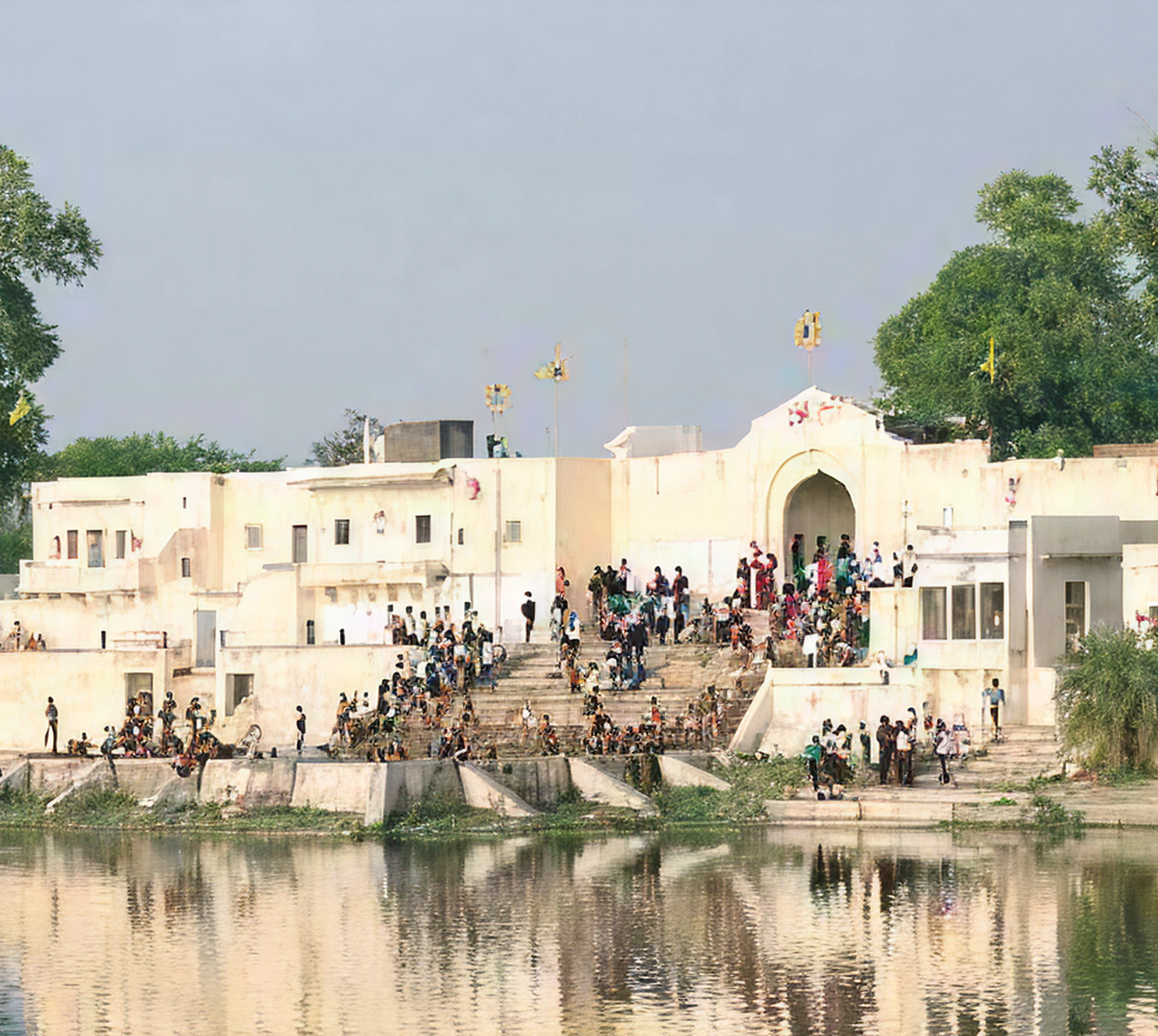
Often called Chota Pushkar, this serene temple complex and sacred water tank is dedicated to Devayani and is an important local pilgrimage site.
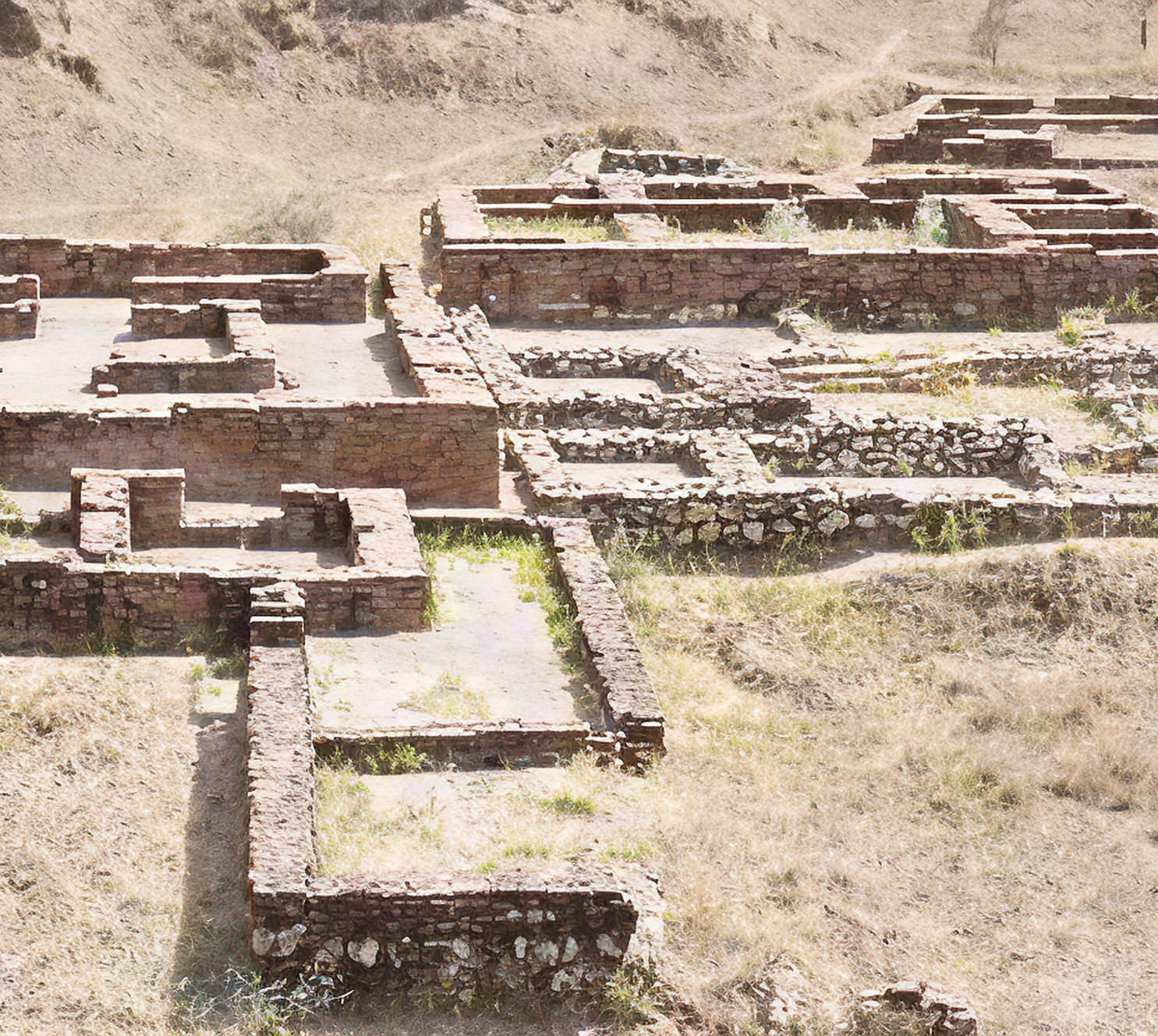
Naliasar Excavation Site

Naliasar Excavation Site

An archaeological site near Sambhar town that has yielded coins, terracotta figurines, seals, and stupa remains dating back to the Kushan and Gupta periods is evidence of a once-flourishing ancient settlement.
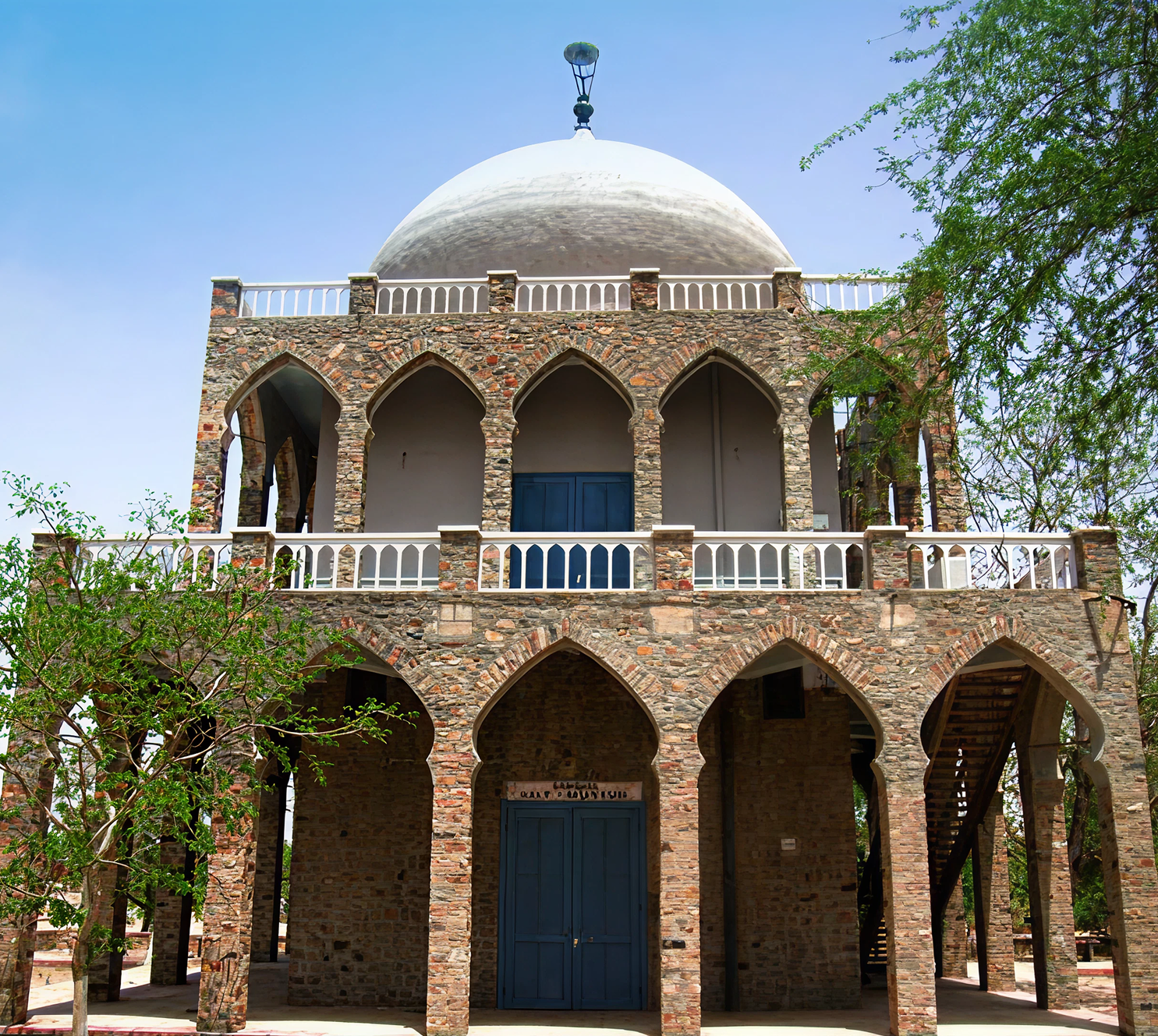
Salt Museum Sambhar

Salt Museum, Sambhar

Housed in a colonial-era building, this small museum showcases the history, science and varieties of salt production in India.

Suggested Itinerary

Sunrise drive from Jaipur → Flamingos and salt flats at dawn → Salt pans and heritage railway → Shakambhari Mata Temple → Lunch in Sambhar town → Salt Museum and Naliasar ruins → Sundowner over the salt flats → Back to Jaipur

FAQs

Find quick answers to common questions before planning your visit to Sambhar Lake.
1. Why is Sambhar Lake famous?
It is famous for being India’s largest inland salt lake, a Ramsar-designated wetland of international importance, and one of the country’s most significant wintering grounds for flamingos and other migratory birds.
and 11 km in width, covering an area of 190 to 230 square kilometres depending on the season.
No, there is no entry fee or permit required to visit the lake.
Flamingos are best spotted between November and February, when migratory birds arrive in large numbers, and the weather is cool and pleasant.
Sambhar Lake is approximately 90 km southwest of Jaipur and takes around 1.5 to 2 hours by road via NH48.
Yes, the absence of light pollution and the wide, open horizons make Sambhar one of the finest stargazing destinations within easy reach of Jaipur.

Book your stay with us now