

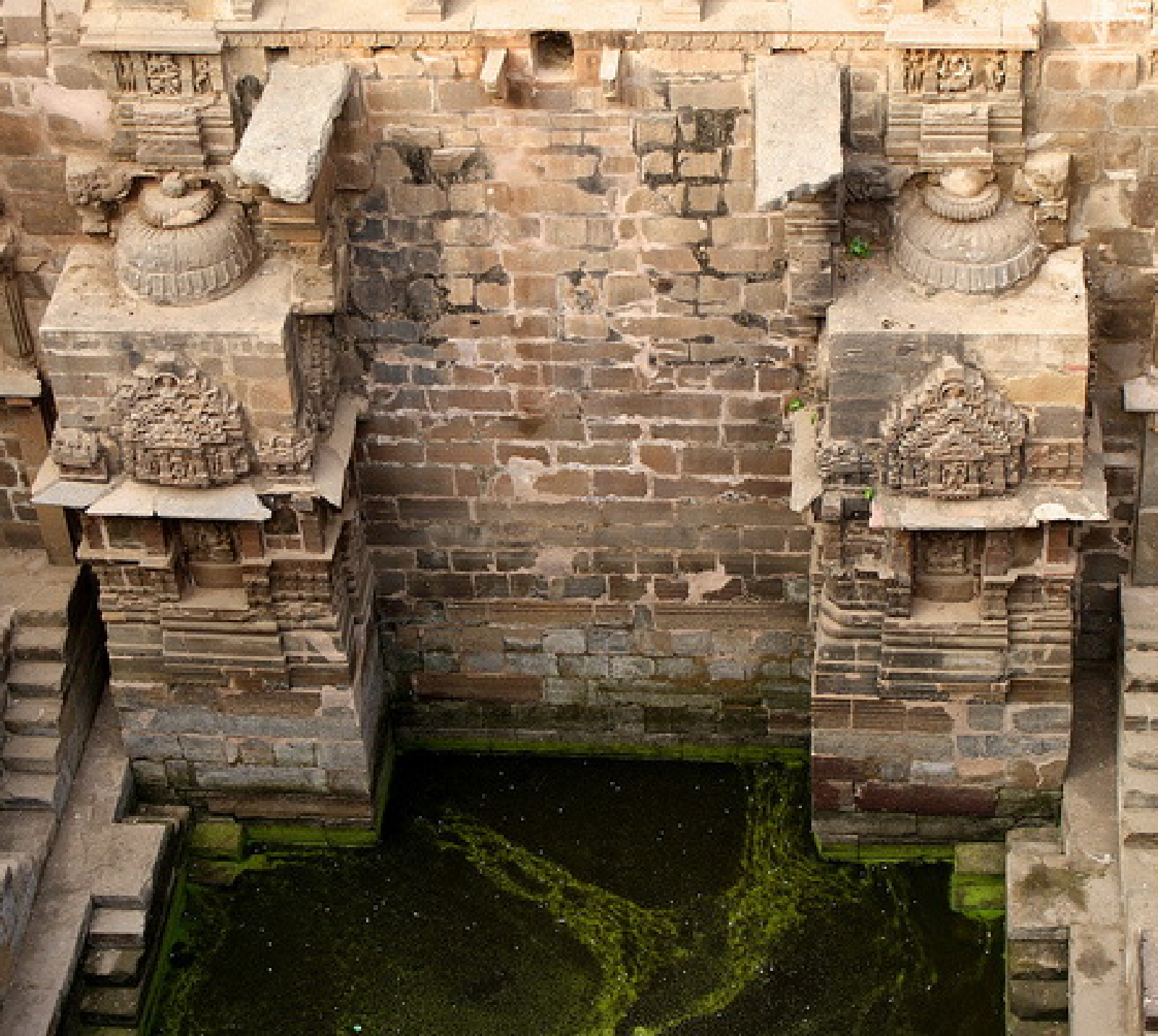
Chand Baori

lotus

Overview

Chand Baori in Abhaneri is a spectacular architectural marvel and one of the oldest, largest, and deepest stepwells in the world. Located in the Dausa district of Rajasthan, this magnificent structure stands as a testament to the ancient Indian mastery of water conservation and geometric design. Built over a thousand years ago, it was designed not just as a reliable water source for the arid region, but also as a cool communal gathering place during the intense desert summers.
Today, Chand Baori is a major draw for history buffs, architecture enthusiasts, and photographers from around the globe. It’s mesmerising, maze-like symmetry creates a stunning optical illusion of endless steps, making it an unforgettable highlight for travellers exploring the route between Jaipur and Agra.

Location

Abhaneri Village, Dausa District, Rajasthan (approx. 95 km from Jaipur)

Entry Fee

₹25–₹30 for Indians | ₹300 for Foreigners (Subject to slight ASI revisions)

Time Required

45 minutes – 1 hour
lotus

What is the History of Chand Baori?

Chand Baori was built between roughly 800 and 900 CE, traditionally attributed to Raja Chanda of the Nikumbh dynasty, whose name it carries. It was designed as a deep stepwell to guarantee year-round access to groundwater in this arid part of Rajasthan, and its 3,500 steps descending 13 storeys make it one of the deepest and largest stepwells in India. Today it is protected by the Archaeological Survey of India and known internationally as a filming location, including for The Dark Knight Rises.

No inscriptions confirming its construction have survived, so its dating rests on stylistic comparison with nearby temples, though tradition consistently credits Raja Chanda. The adjoining Harshat Mata Temple, dedicated to the goddess of joy for whom the stepwell itself is named, was built around the same period and later damaged during medieval invasions, and the stepwell’s own carvings suffered similar damage over the centuries. Descending the steps is no longer permitted, but visitors can still take in the full depth from railings at the top.

Chand Baori Through the Centuries

800 to 900 CE: Chand Baori is built, traditionally attributed to Raja Chanda of the Nikumbh dynasty, though no inscriptions have been found to confirm this.

Similar period: The adjoining Harshat Mata Temple is built, later damaged during medieval invasions along with parts of the stepwell’s own carvings.

1864: The French traveller Louis Rousselet gives one of the earliest written descriptions of the stepwell.

2012: The stepwell’s interior appears as “The Pit” prison in The Dark Knight Rises, among other films shot at the site.

Present day: Chand Baori is protected by the Archaeological Survey of India, with descent into the well no longer permitted.

Chand Baori Through the Centuries

Chand Baori is built in an inverted pyramid shape, with three sides made up of steep, symmetrical flights of steps descending to the water. The 3,500 steps are arranged in a repeating zigzag pattern across 13 storeys, a design that creates the dramatic geometric illusion for which the stepwell is known, and one that also maximises shade and reduces evaporation in the heat.

The fourth side departs from this pattern: a multi storeyed pavilion, supported by carved pillars, with jharokhas (balconies) and galleries that once sheltered the royal family. At the bottom, the temperature typically runs 5 to 6 degrees cooler than at the surface, which made the stepwell a genuine gathering place as well as a water source.

fish

Main Highlights & Temple Features

A quick overview of the key highlights worth your attention.
Chand Baori, a historic stepwell located in Abhaneri, Rajasthan, India.

The 13-Storey Depth

The stepwell plunges approximately 30 metres (100 feet) into the ground, divided into 13 distinct storeys. It is recognised as one of the deepest stepwells in India.
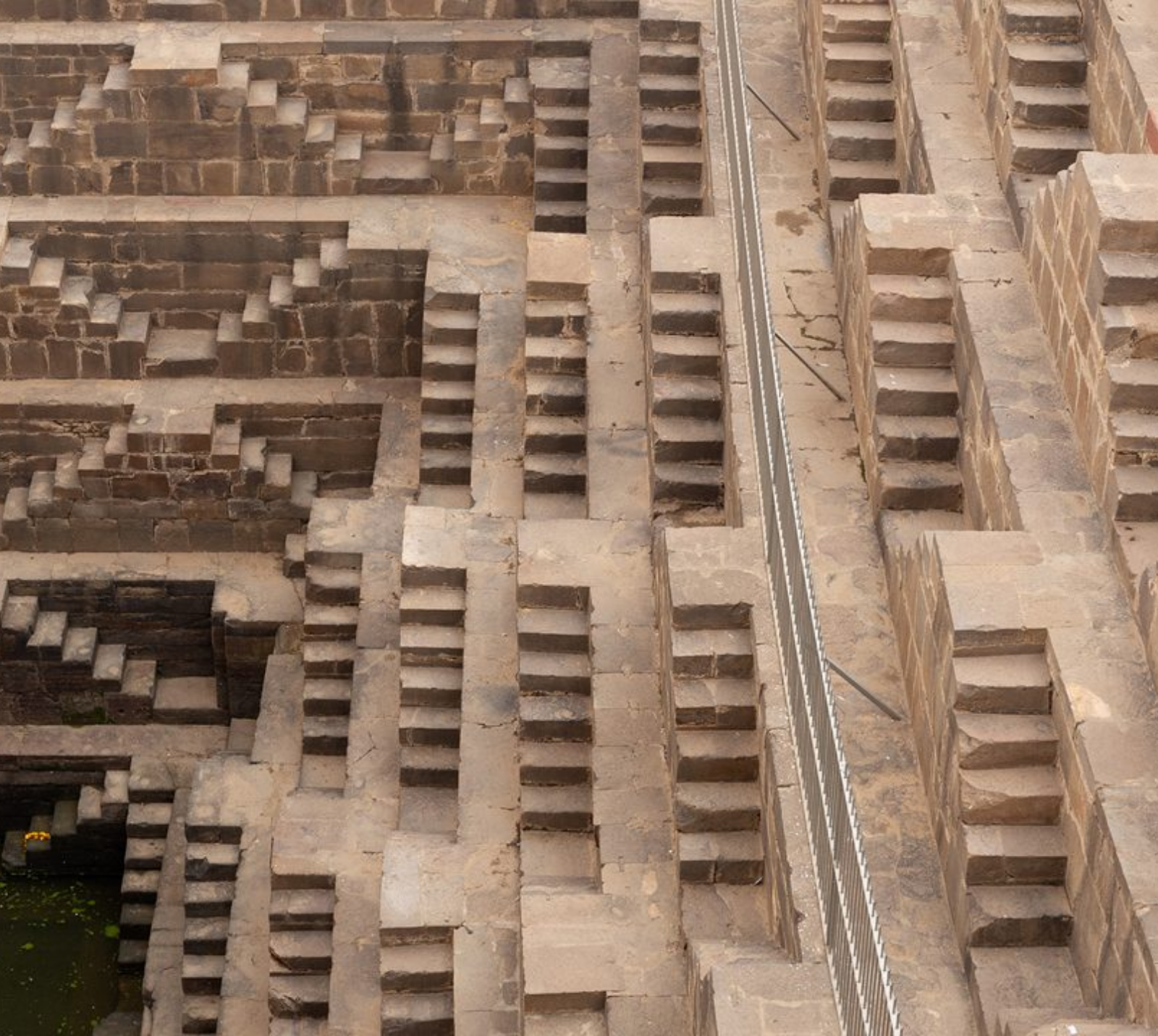
Chand Baori is a 9th-century stepwell located in the village of Abhaneri in Rajasthan, India.

The 3,500 Geometric Steps

The most striking feature of Chand Baori is its perfect symmetry. It consists of exactly 3,500 narrow, meticulously arranged steps descending in a V-shaped pattern. The interplay of light and shadow across these steps creates a hypnotic, maze-like visual effect.
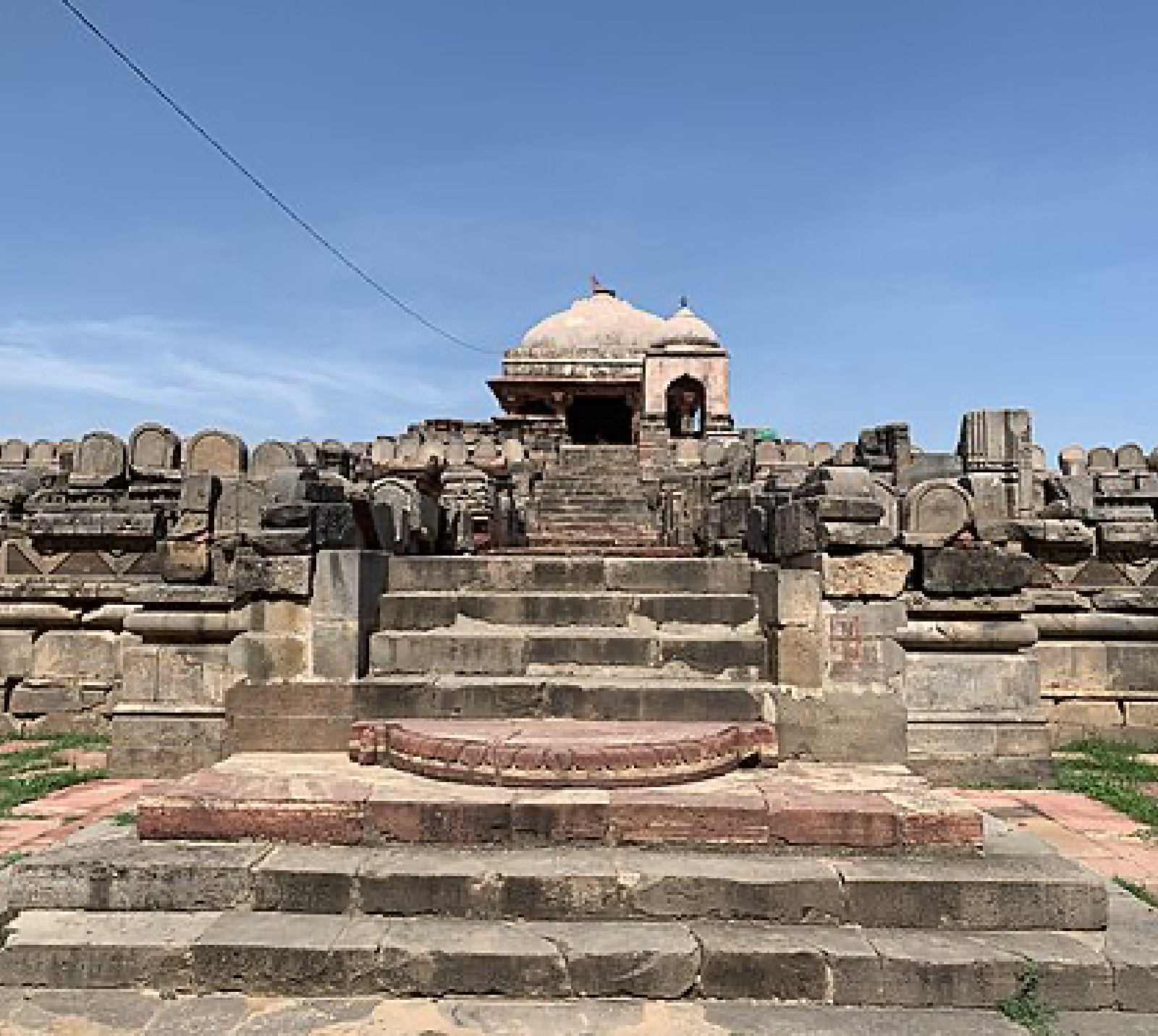
Harsha Mata Temple

Harshat Mata Temple

Located directly adjoining the stepwell, this 9th-century temple is dedicated to the Goddess of Joy. Though partially destroyed over the centuries, the remaining stone carvings and pillars display exquisite craftsmanship.
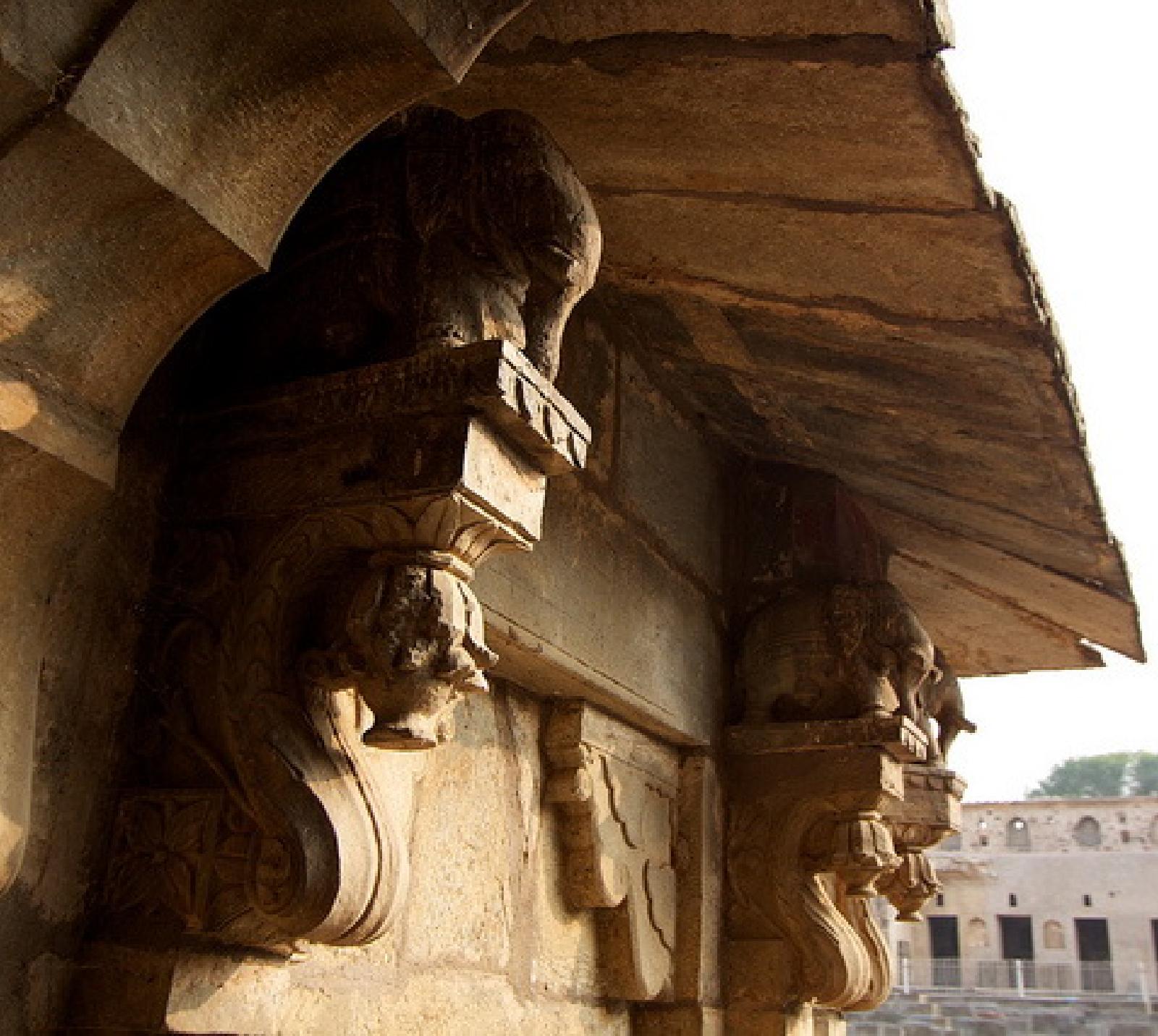
This image shows a close-up of stone elephant carvings on the decorative brackets within the historic Chand Baori stepwell.

Cinematic Fame

Chand Baori’s dramatic architecture has caught the eye of many filmmakers. It famously featured as the underground prison in Christopher Nolan’s The Dark Knight Rises, as well as in The Fall, Best Exotic Marigold Hotel, and the Bollywood hit Bhool Bhulaiyaa.
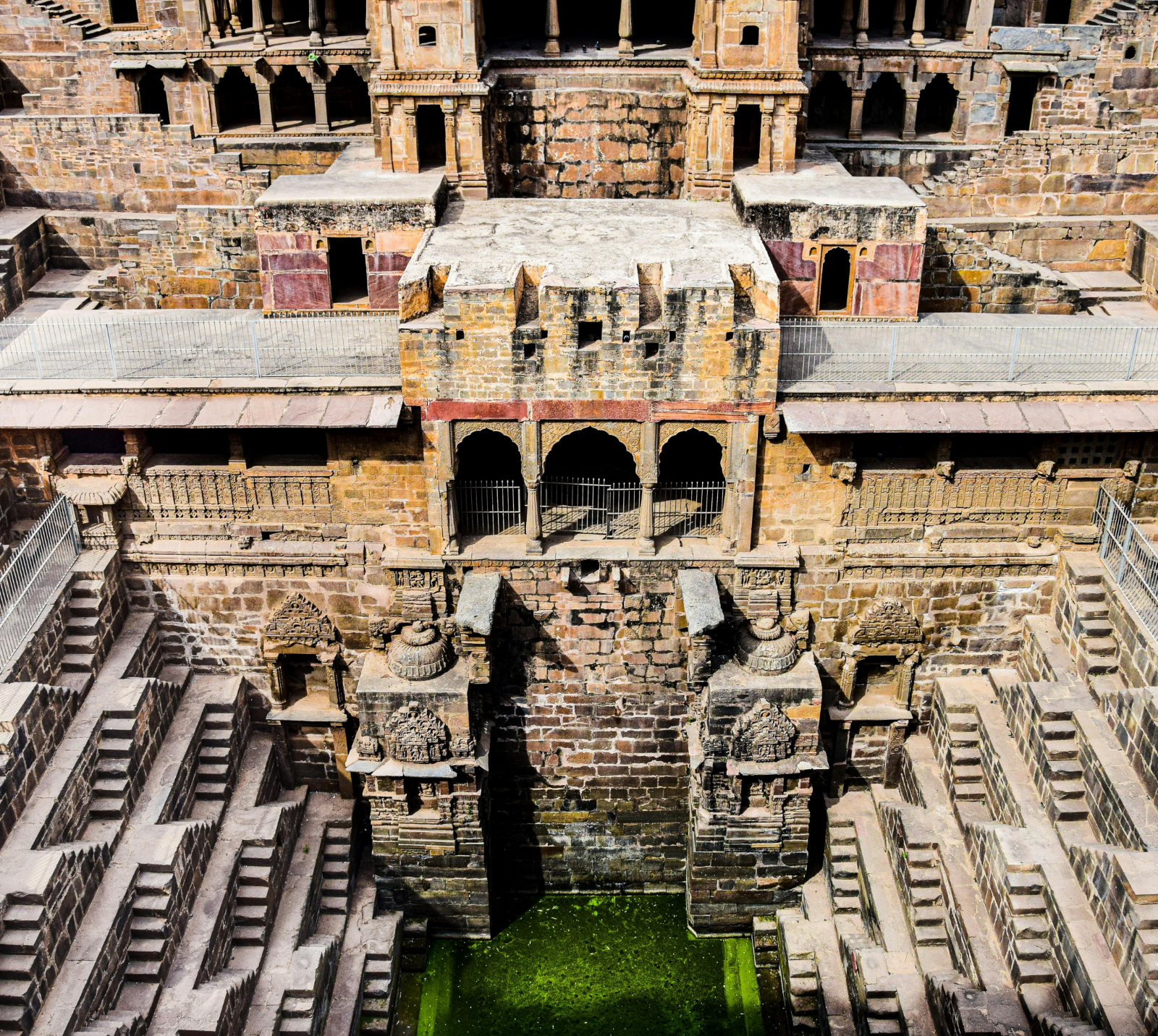
Chand Baori stepwell located in Abhaneri, Rajasthan, India.

The Royal Pavilions

While three sides of the stepwell are covered in steps, the fourth side features a multi-storeyed pavilion supported by intricately carved pillars. These pavilions include beautiful jharokhas (balconies) and galleries that once housed the royal family when they visited to escape the heat.

Visitor Information: Timings, Entry Fee & How to Reach

Essential details to help you plan your visit with ease.

Timings & Best Time to Visit Chand Baori

How to Reach

Tips for Visiting Chand Baori

fish

Nearby Attractions

Discover the notable sights and cultural landmarks located close to Chand Baori.
Harsha Mata Temple

Harshat Mata Temple

The ancient, ruined temple right next to the stepwell featuring beautiful stone carvings.
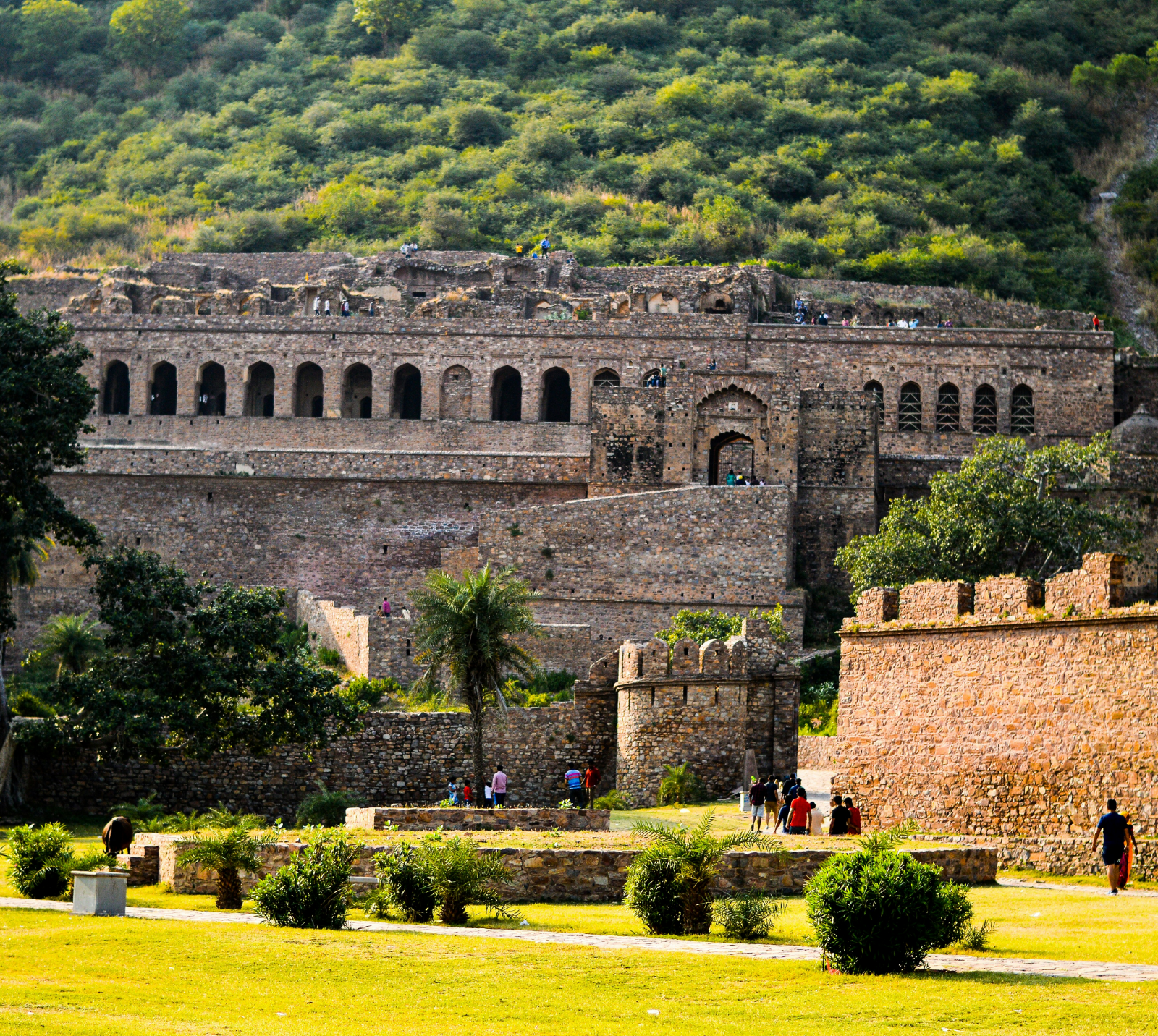
Bhangarh Fort in Rajasthan, India, a 17th-century structure famous for its legends.

Bhangarh Fort (approx. 40 km away)

Known famously as the most haunted fort in India, offering atmospheric 17th-century ruins.
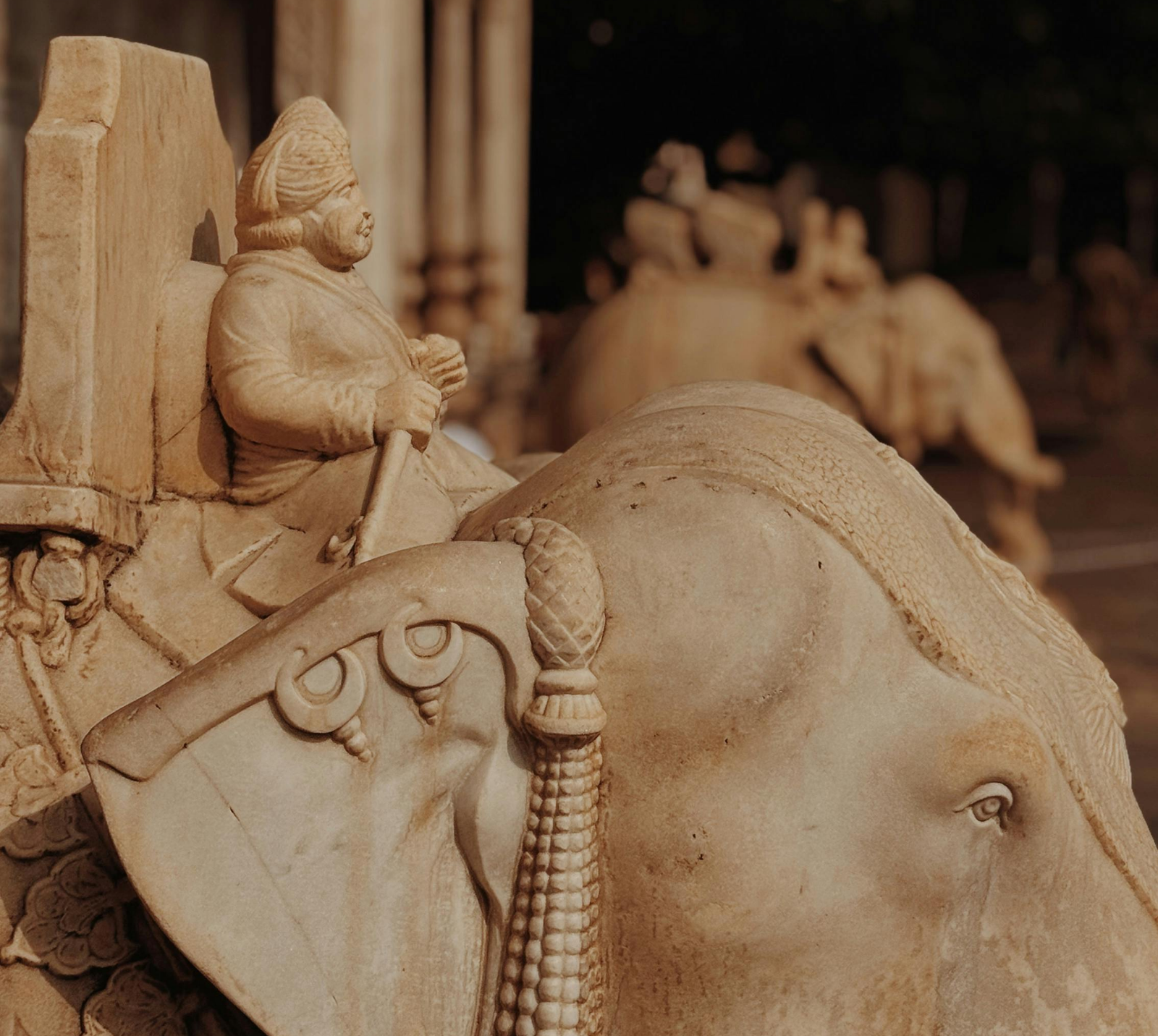
Rajendra Pol gateway of the City Palace in Jaipur, India.

Sikandra (on the highway)

A nearby town famous for its traditional sandstone carvings and craftsmanship.
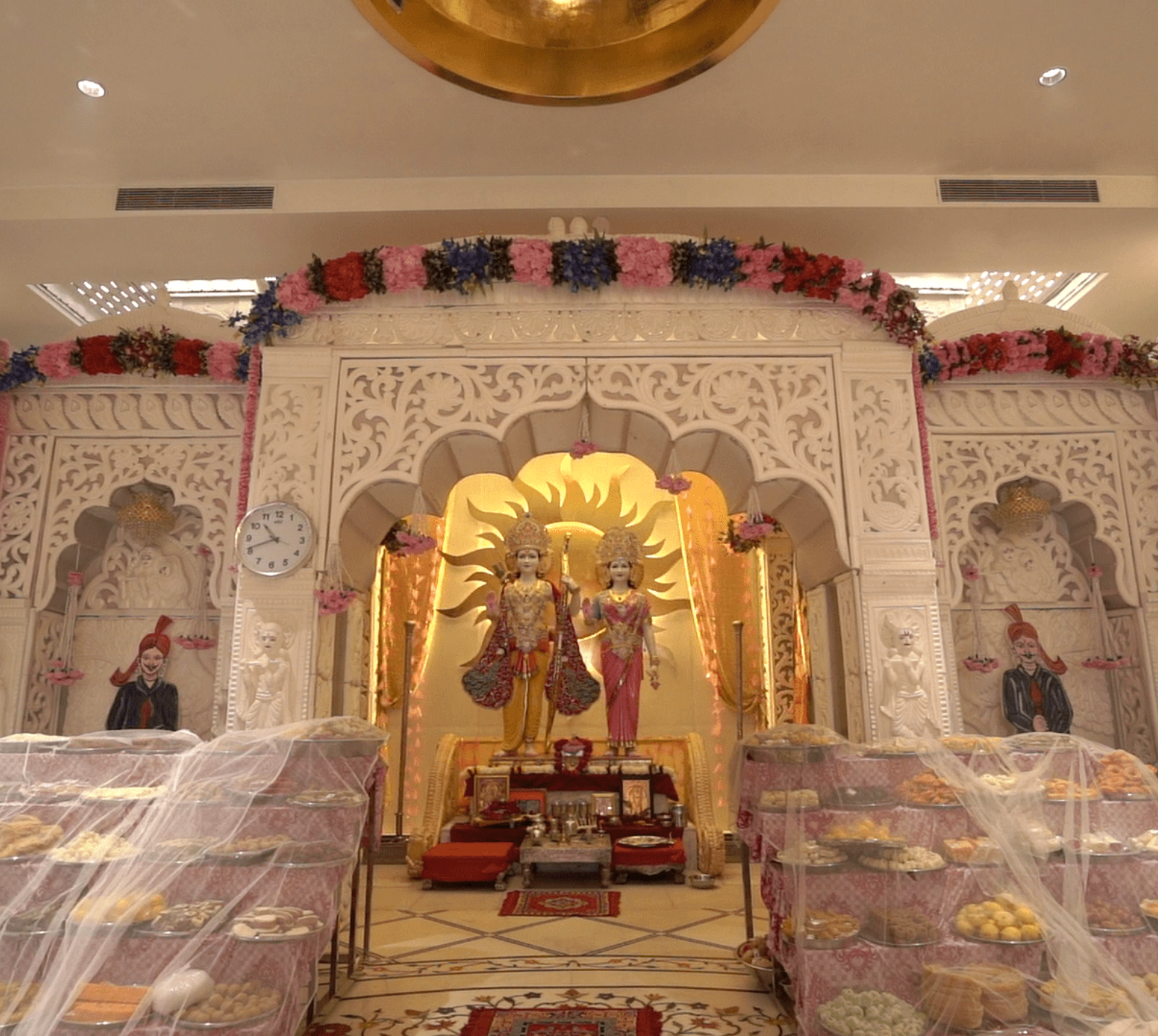
This scene appears to be the inner shrine of a BAPS Shri Swaminarayan Mandir, likely during a festive offering event.

Mehandipur Balaji Temple (approx. 30 km away)

A highly revered Hindu temple known for ritualistic healing and exorcism of evil spirits.

Suggested Itinerary

Leave Jaipur after breakfast → Drive to Abhaneri (2 hours) → Explore Chand Baori and Harshat Mata Temple (1 hour) → Lunch at a highway restaurant or heritage hotel in Dausa → Afternoon drive to explore the haunted ruins of Bhangarh Fort → Return to Jaipur by evening.

FAQs

Find quick answers to common questions before planning your visit to Chand Baori.
1. Who built Chand Baori, and when?

Chand Baori is traditionally credited to Raja Chanda of the Nikumbh dynasty, with construction dated to around the 8th to 9th centuries CE based on architectural style, since no inscriptions confirming this have survived.

The stepwell was dedicated to Harshat Mata, the local goddess of joy and happiness, whose adjoining temple was built around the same period and remains standing, albeit partially damaged, beside the stepwell.

Yes, its steps appear as the interior of “The Pit” prison in the 2012 film, though the fort exterior for the same scenes was filmed separately at Mehrangarh Fort in Jodhpur.

The Archaeological Survey of India closed the lower levels to protect the stepwell’s stonework and carvings from wear, so visitors now view it from railings at the top.

It is famous for being one of the deepest and largest stepwells in the world, known for its symmetrical geometry of 3,500 narrow steps.

No, tourists are no longer allowed to walk down the steps. The ASI has cordoned off the lower levels with railings to protect the monument and ensure visitor safety.
The stepwell is 13 storeys deep, plunging approximately 30 metres (100 feet) into the ground.
Yes, there is a nominal ASI entry fee. It is usually around ₹25–₹30 for Indian nationals and ₹300 for foreign tourists.
A typical visit takes around 45 minutes to 1 hour, which gives you ample time to view the stepwell, take photos, and visit the adjoining Harshat Mata Temple.

Book your stay with us now