
Govind Dev Ji Temple, Jaipur

lotus

Overview

Govind Dev Ji Temple in Jaipur is a profound symbol of devotion, spirituality, and royal heritage, standing as one of the most revered shrines for Lord Krishna devotees globally. Located within the magnificent City Palace complex, the temple was built by Maharaja Sawai Jai Singh II, the founder of Jaipur, who considered Lord Govind Dev Ji (an incarnation of Lord Krishna) as the true ruler of the city, ruling as his minister.

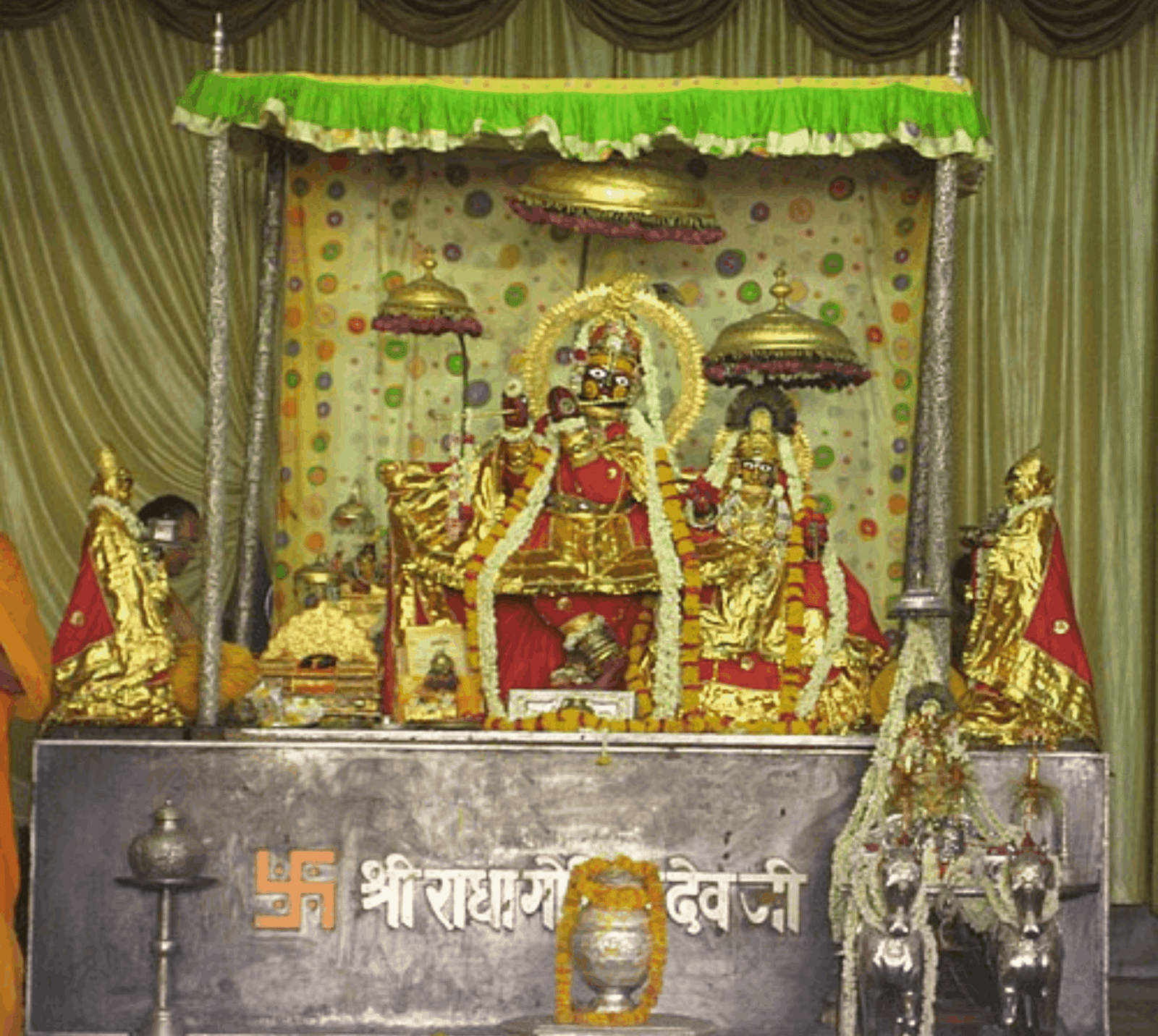
The principal deity, Lord Govind Dev Ji, was brought from Vrindavan and is believed to look exactly like Lord Krishna during his incarnation on earth. It remains a spiritual epicentre in the Pink City and a must-visit site for travellers seeking divine peace, historical architecture, and cultural tourism.

Location

Jai Niwas Garden, City Palace Complex, Pink City, Jaipur

Timings

4:00 AM – 12:00 PM
4:30 PM –08:30 PM

Entry Fee

Free

Time Required

1–1.5 hours
lotus

History & Significance of Govind Dev Ji Temple

According to tradition, the temple’s principal idol was originally crafted to resemble Lord Krishna and was installed in Vrindavan, before being moved through several locations for safety during Mughal emperor Aurangzeb’s campaign against Hindu temples. Maharaja Sawai Jai Singh II, the founder of Jaipur, brought the idol to his new capital in 1735 and enshrined it within his palace complex, later building his own residence, Chandra Mahal, so that he could see the deity directly from his window. Today it is one of the most important centres of Gaudiya Vaishnava worship outside Vrindavan itself.

Temple tradition holds that the idol was crafted by Bajranabh, Krishna’s great-grandson, and later established in Vrindavan by the saint Rupa Goswami. When Aurangzeb’s campaign against Hindu temples reached Vrindavan in the late seventeenth century, priests moved the idol through several locations for safety, eventually reaching the Amer valley, renamed Kanak Vrindavan, in 1714. Jai Singh II enshrined it at Suraj Mahal in Jaipur in 1735, and the temple’s Satsang Bhavan later earned a Guinness World Record in 2009 for the world’s widest single span concrete flat roof.

Govind Dev Ji Temple Through the Centuries

  • Late 16th century: A temple is first built for the Govind Dev Ji idol in Vrindavan, with support from Raja Man Singh I of Amer and Mughal emperor Akbar.
  • Late 17th century: Aurangzeb’s campaign against Hindu temples forces priests to move the idol from Vrindavan for safety, beginning decades of relocation.
  • 1714: The idol reaches the Amer valley, later renamed Kanak Vrindavan in its honour.
  • 1727: Maharaja Sawai Jai Singh II founds Jaipur.
  • 1735: Jai Singh II brings the idol to Jaipur, enshrines it at Suraj Mahal, and builds Chandra Mahal as his own residence so he can see the deity from his window.
  • 2009: The temple’s Satsang Bhavan is recognised by Guinness World Records for the world’s widest single span concrete flat roof.
  • Present day: Govind Dev Ji Temple remains one of the most important centres of Gaudiya Vaishnava worship outside Vrindavan.

Govind Dev Ji Temple Through the Centuries

Govind Dev Ji Temple stands within the City Palace complex, between Chandra Mahal and Badal Mahal, its layout shaped around Jai Singh II’s original wish for a direct line of sight to the deity. Unlike most Hindu temples, it has no porch or shikhara (spire), a design choice associated with temples built during Jai Singh II’s reign, and its style draws on Mathura and Nathdwara temple traditions alongside Mughal and European influences.

The idol sits in a rectangular hall surrounded by an arcaded walkway beneath a flat, decorated ceiling. Its most striking feature is the Satsang Bhavan, a pillarless prayer hall covering more than 15,000 square feet that can hold around 5,000 devotees, built with a single span reinforced concrete roof that earned it a Guinness World Record in 2009.

fish

Main Highlights & Temple Features

A quick overview of the key highlights worth your attention.
Govind Dev Ji Temple in Jaipur, Rajasthan.

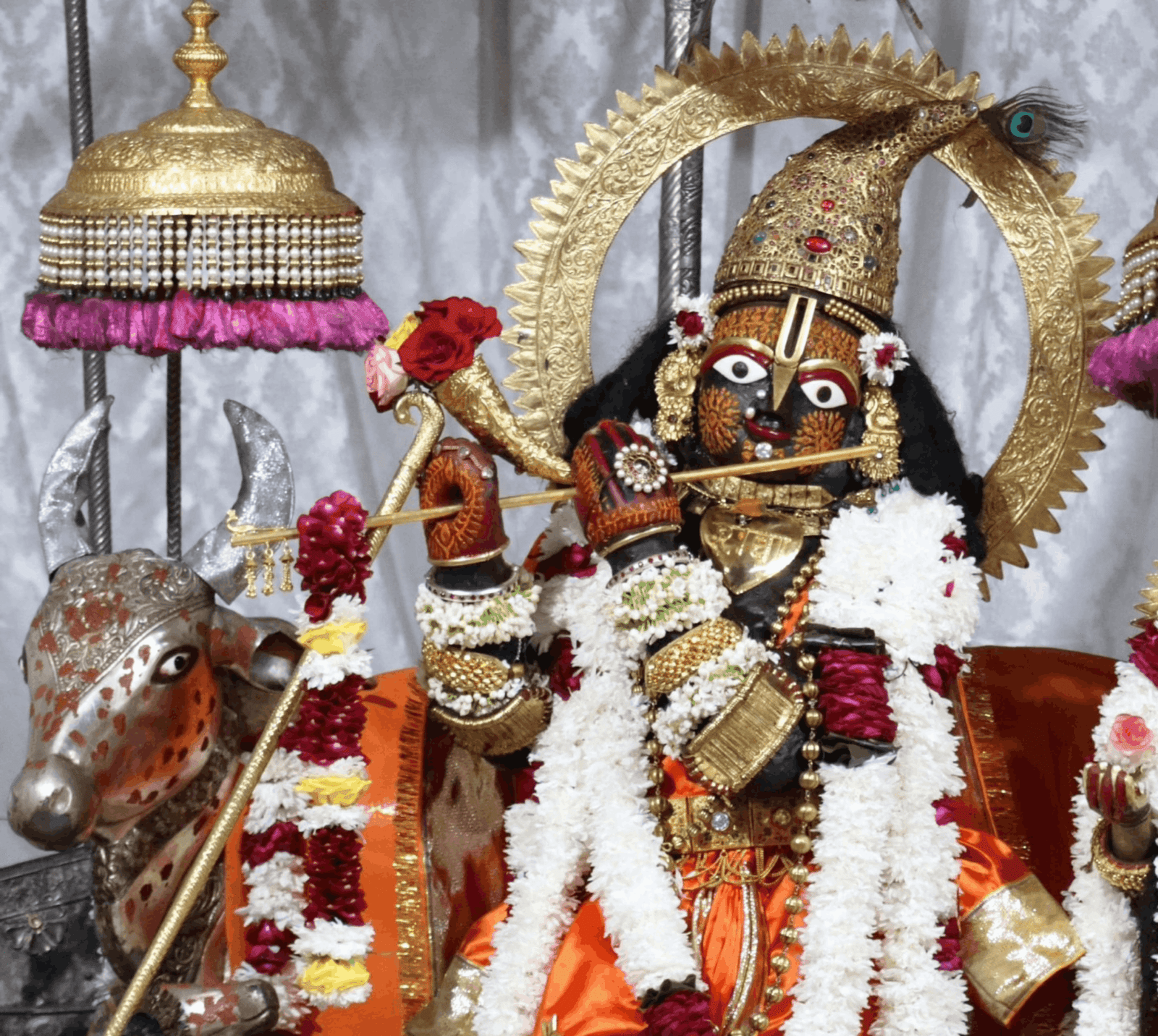
The Divine Idol (Lord Govind Dev Ji)

The breathtaking idol of Lord Krishna is the heart of the temple. Devotees believe that gazing upon the idol brings ultimate peace and spiritual awakening, as it is a direct reflection of Lord Krishna’s divine form.
Govind Dev Ji Temple in Jaipur, Rajasthan.

The Seven Jhankis (Darshans)

The temple does not remain open continuously; instead, the deity is revealed to devotees seven times a day through Jhankis (glimpses). These include Mangala, Dhoop, Shringar, Rajbhog, Gwal, Sandhya, and Shayan. Each Jhanki features a different mood, attire, and musical accompaniment.
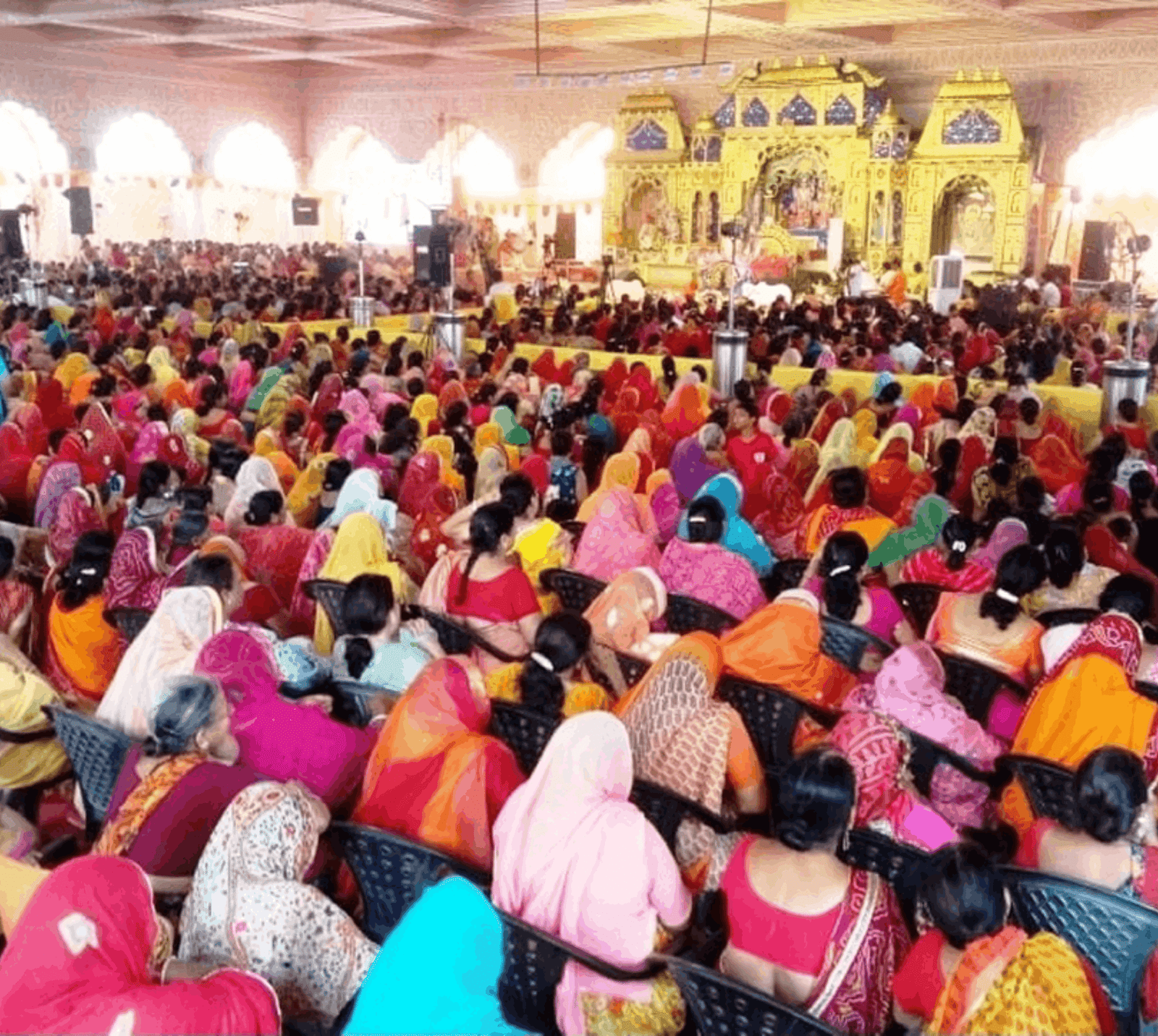
Satsang Bhavan (Prayer Hall)

Satsang Bhavan (Prayer Hall)

The temple features a massive, pillar-less pavilion known as the Satsang Bhavan, which holds the Guinness World Record for being the world's widest flat-roof span construction. Thousands of devotees gather here to sing bhajans and chant.
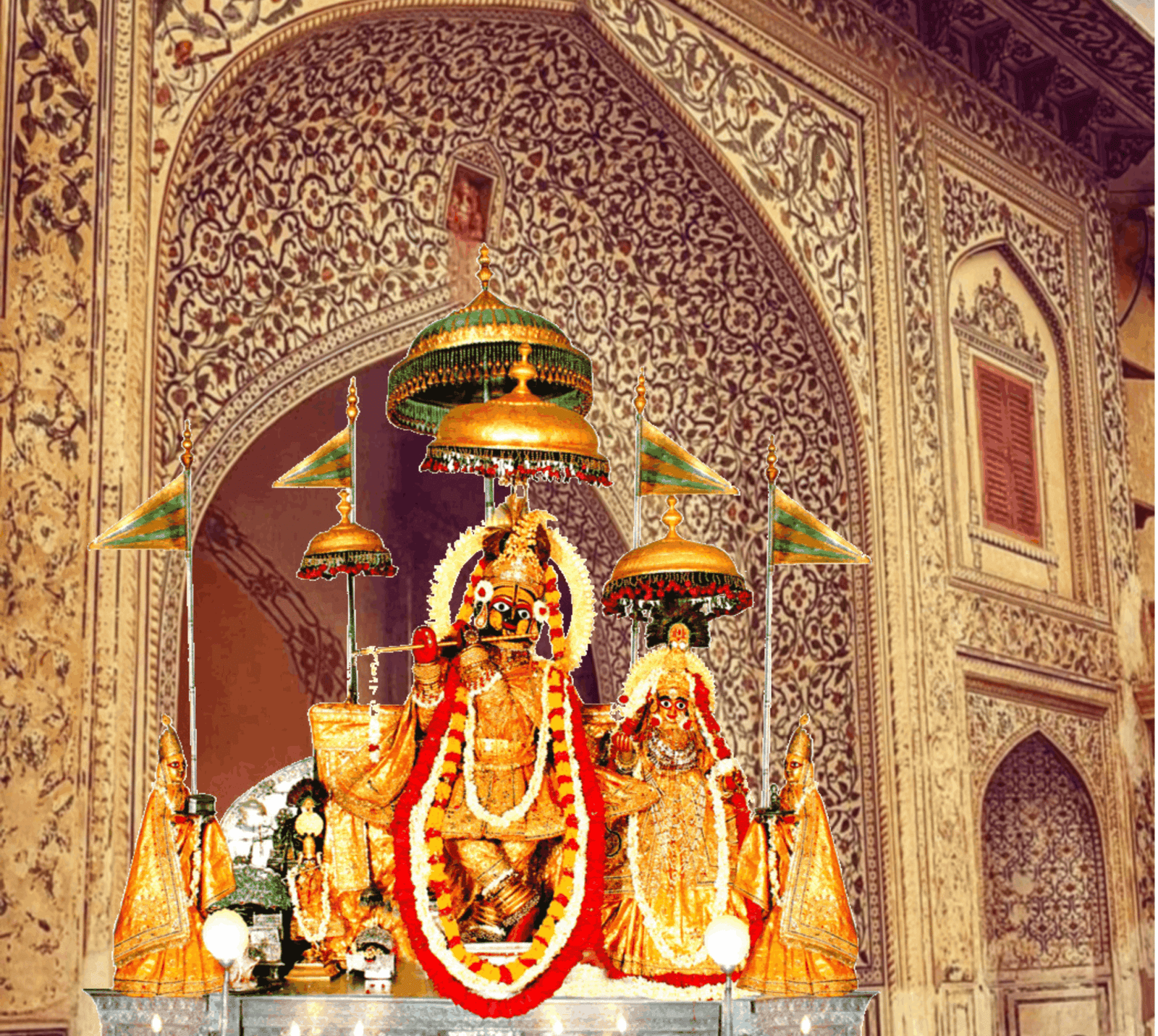
Govind Dev Ji Temple in Jaipur, Rajasthan, a significant Hindu temple dedicated to Radha and Krishna.

Radha Krishna Idols

Alongside Lord Govind Dev Ji, the temple also houses beautiful idols of Goddess Radha, enhancing the divine atmosphere of love and devotion.
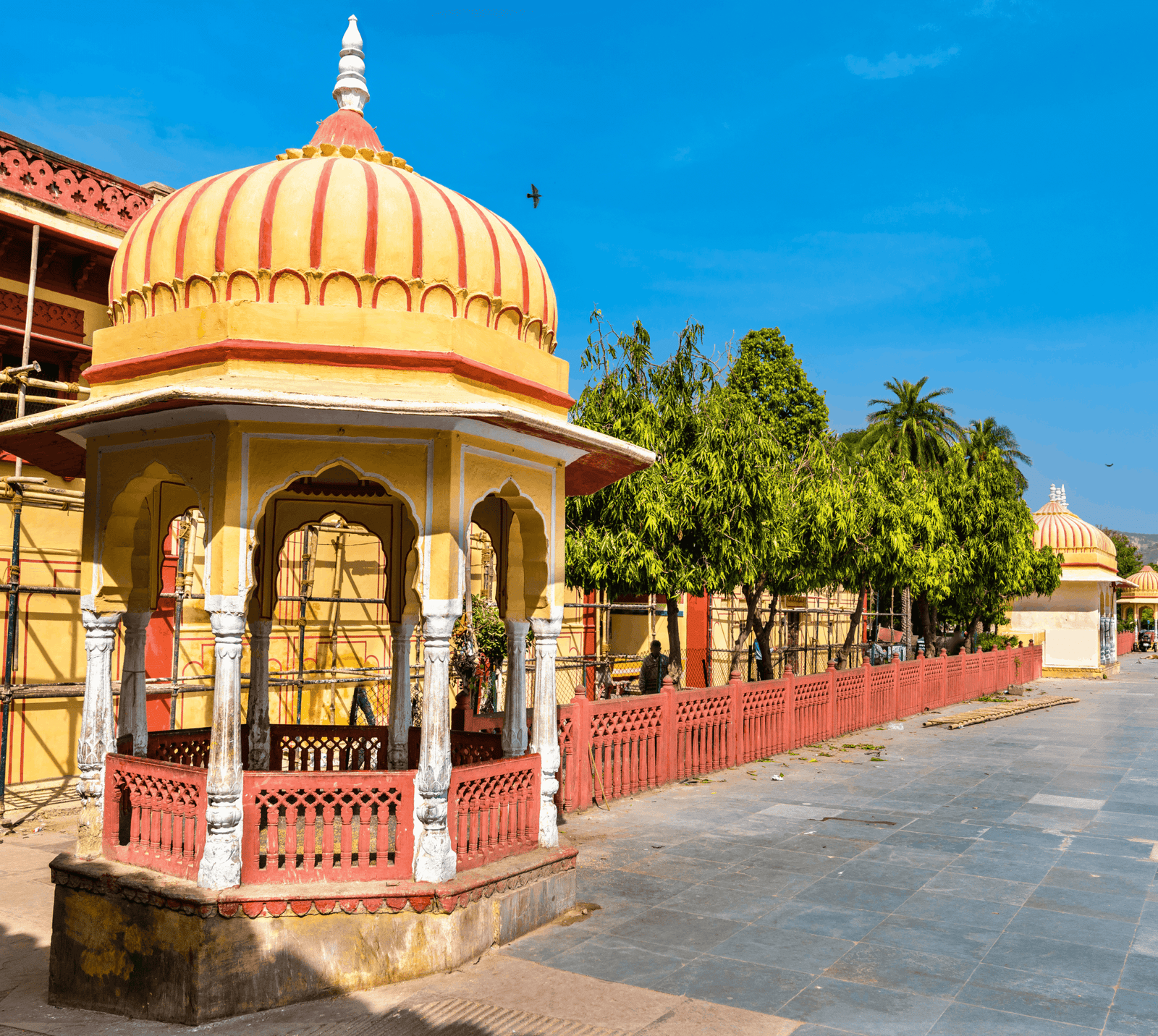
Jai Niwas Garden in Jaipur, featuring traditional Rajasthani architecture with yellow painted pavilions and a red fence.

Jai Niwas Garden

The sprawling, beautifully manicured gardens surrounding the temple provide a serene environment. Peacocks frequently roam the lawns, adding to the tranquil and mythological ambiance of the complex.
Visitor Information: Timings, Entry Fee & How to Reach

Essential details to help you plan your visit with ease.

Timings & Best Time to Visit Govind Dev Ji Temple

How to Reach

Tips for Visiting Govind Dev Ji Temple

fish

Nearby Attractions

Discover the notable sights and cultural landmarks located close to Govind Dev Ji Temple.
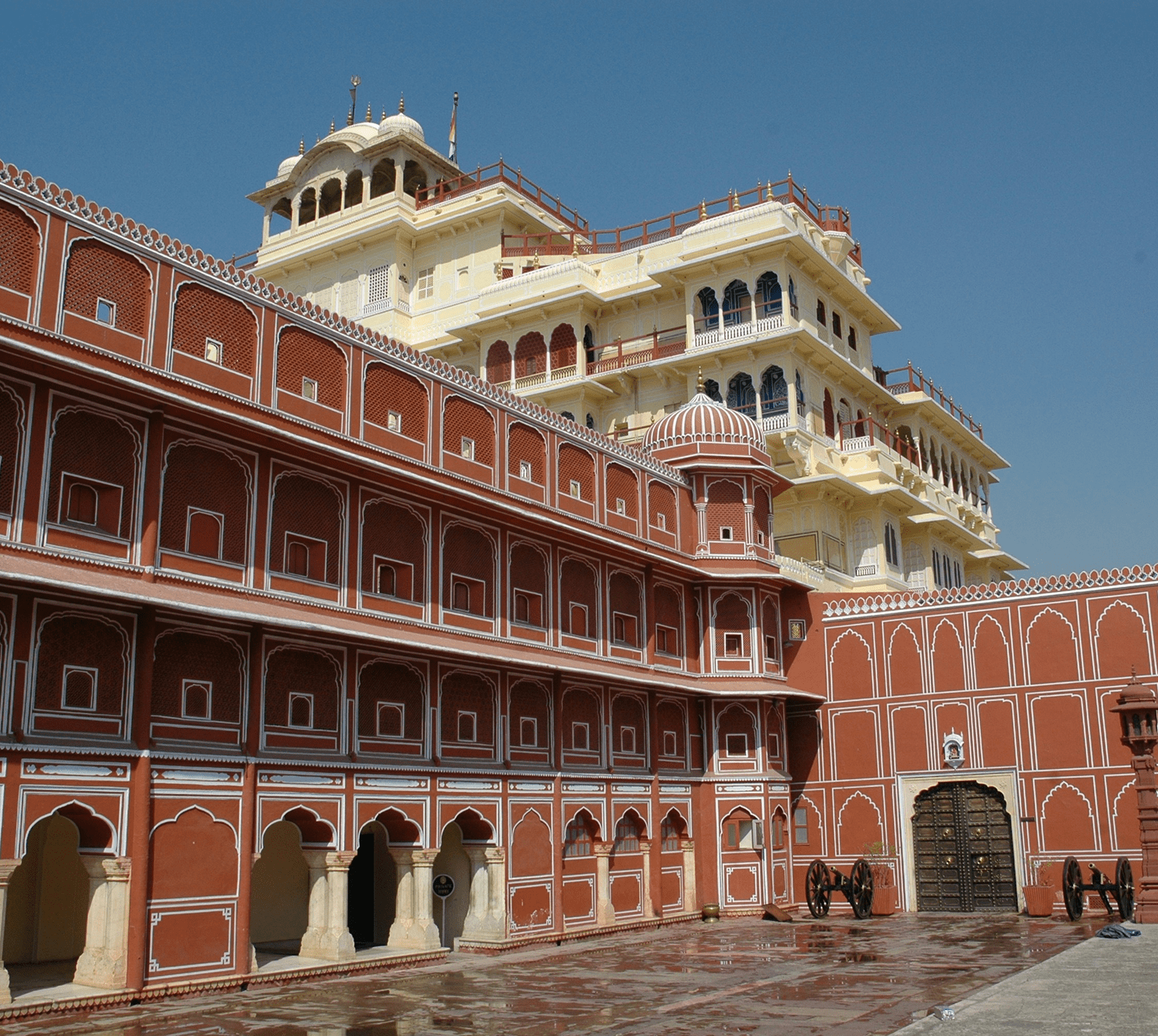
This is a photo of the City Palace in Jaipur, India. The palace complex was the ceremonial and administrative seat of the Maharaja of Jaipur.

City Palace Jaipur

The royal residence of the Jaipur family, offering stunning courtyards and museums.
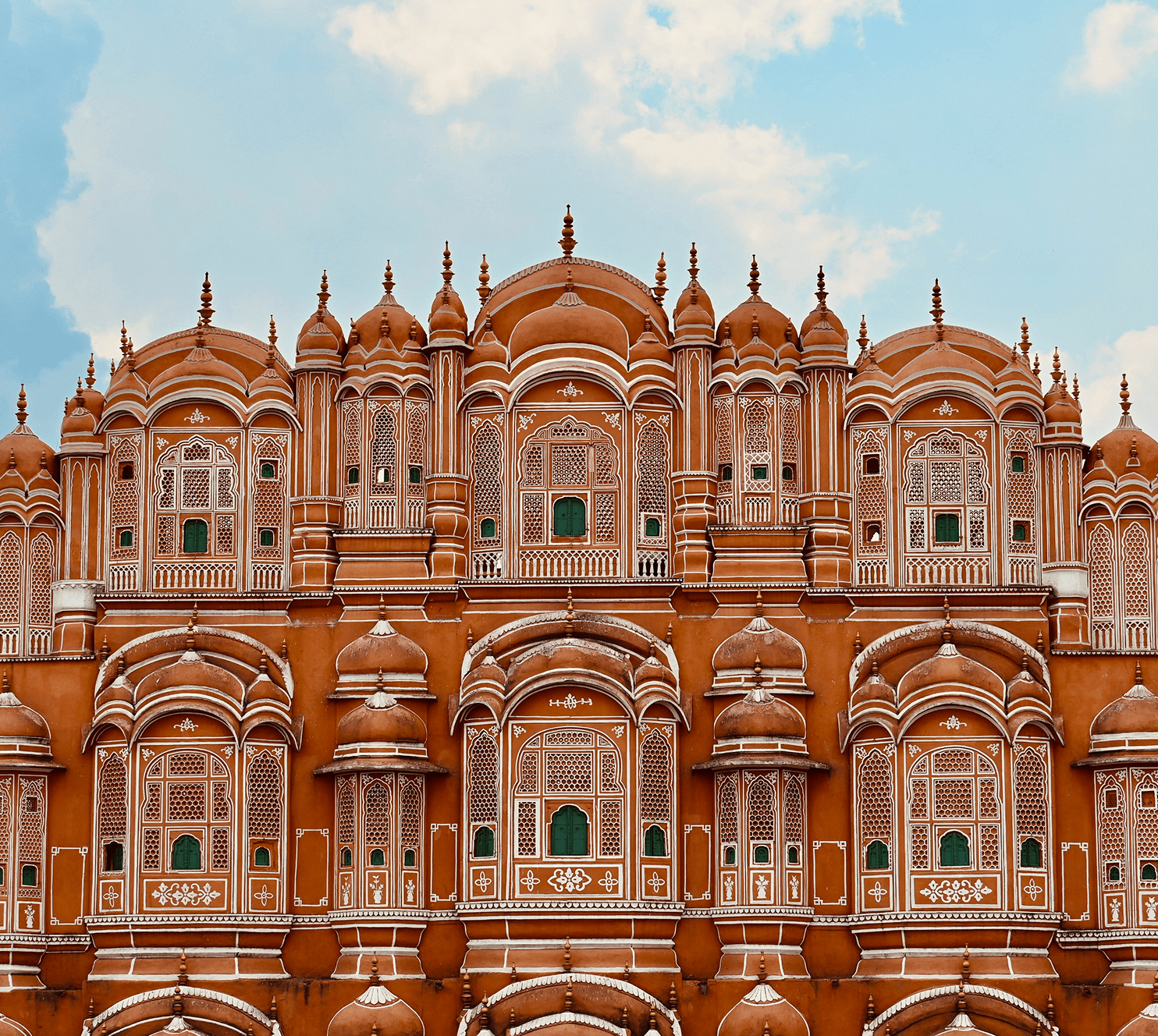
The image shows the façade of the Hawa Mahal, a historic palace located in Jaipur, Rajasthan, India.

Hawa Mahal

The iconic five-storey Palace of Winds, famous for its intricate lattice windows.

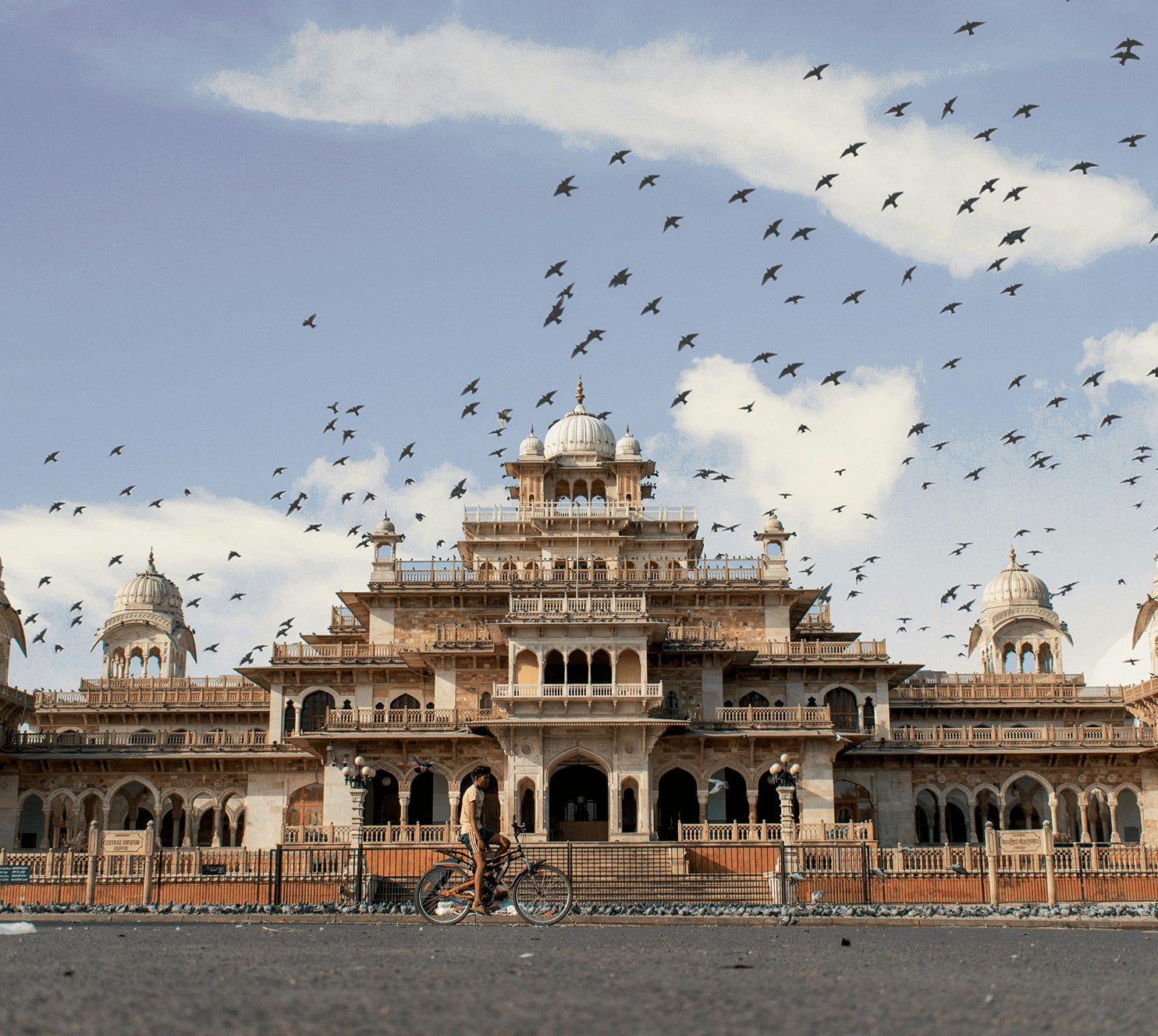
The image shows the Albert Hall Museum in Jaipur, Rajasthan, India.

Jantar Mantar

The famous 18th-century UNESCO World Heritage astronomical observatory.

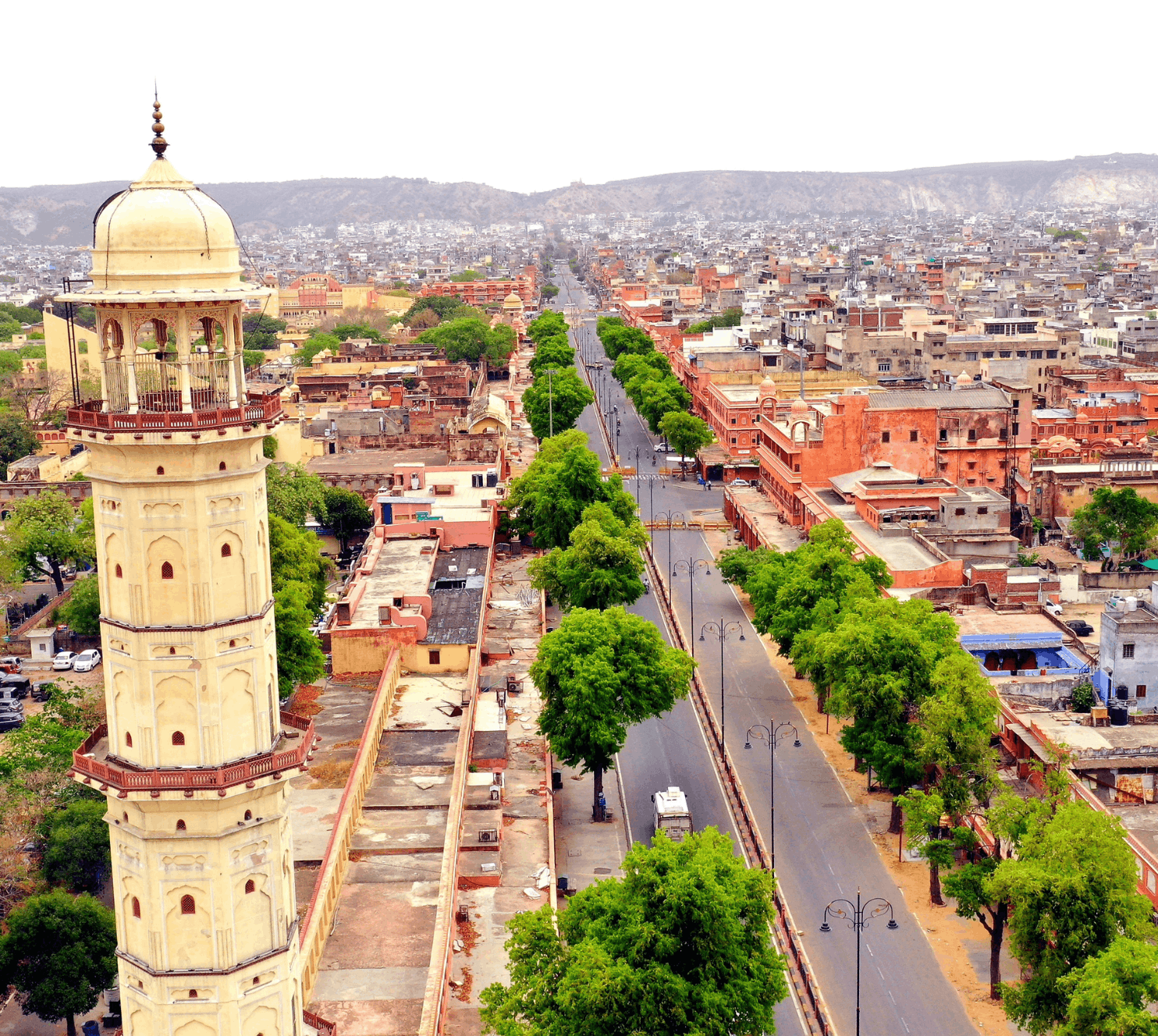
Isarlat (Swargasuli Tower), a historic 18th-century tower located in Jaipur, Rajasthan.

Isarlat (Sargasuli Tower)

A historical tower offering panoramic views of the Pink City.
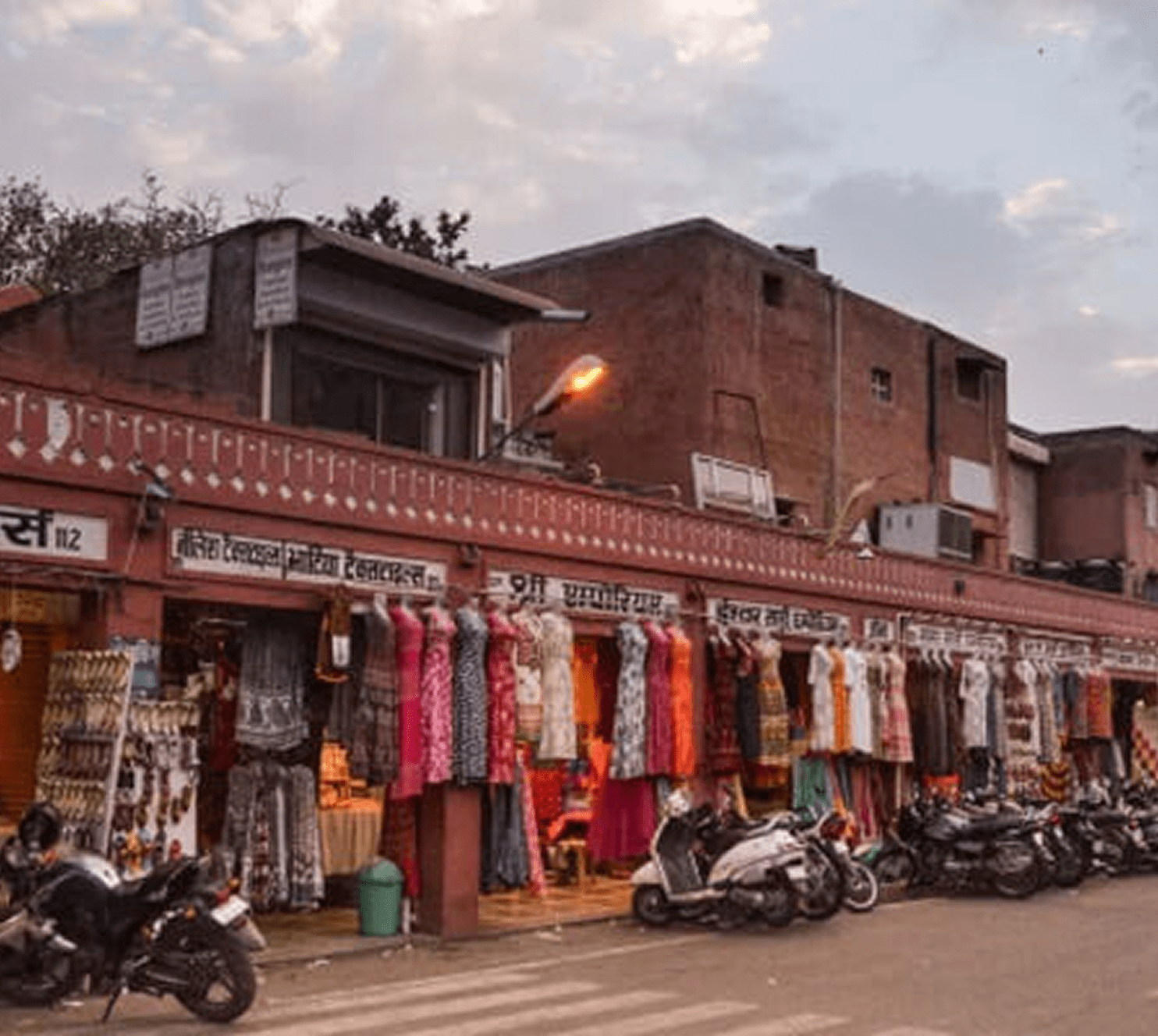
The image shows shops in Bapu Bazaar or Johari Bazaar, two of the oldest markets located in the Walled City of Jaipur, India.

Tripolia Bazaar

A bustling local market famous for lac bangles, brassware, and traditional textiles.
Suggested Itinerary

Start with morning Aarti at Govind Dev Ji Temple → Breakfast at a local sweet shop → Explore City Palace → Visit Jantar Mantar → Lunch at Dera Mandawa → Evening stroll and shopping at Tripolia Bazaar.

FAQs

Find quick answers to common questions before planning your visit to Govind Dev Ji Temple.
1. Where did the Govind Dev Ji idol originally come from?

According to tradition, the idol was first installed in Vrindavan and moved to Jaipur in 1735 by Maharaja Sawai Jai Singh II, after decades of relocation to protect it during Aurangzeb’s campaign against Hindu temples.

Temple tradition holds that it was crafted by Bajranabh, the great-grandson of Lord Krishna, based on descriptions from those who had seen him in life.

After enshrining the idol at Suraj Mahal in 1735, Maharaja Sawai Jai Singh II built a new residence for himself, Chandra Mahal, positioned so he could see the deity directly from his window, in keeping with his belief that Govind Dev Ji was Jaipur’s true ruler.

The temple’s Satsang Bhavan was recognised in 2009 for having the world’s widest single span reinforced concrete flat roof, a pillarless hall that can hold around 5,000 devotees.

It is famous because the main idol is believed to closely resemble Lord Krishna’s own form, and it is one of the most significant spiritual centres for Jaipur’s residents.

The temple opens in intervals known as Jhankis, generally from 4:30 AM to 12:00 PM and 5:30 PM to 9:00 PM, though exact Aarti timings shift slightly with the season.

No, entry to Govind Dev Ji Temple is free for all visitors.

Photography of the main deity is strictly prohibited, but photos are allowed in the outer courtyards and gardens.

A typical visit takes around 1 to 1.5 hours, depending on the crowd and whether you wait for a specific Jhanki.

There is no strict official dress code, but visitors are expected to dress modestly, keeping shoulders and knees covered as it is a place of worship.

Yes, the temple is relatively flat and accessible, though navigating crowds during peak Aarti times can be difficult.

Book your stay with us now