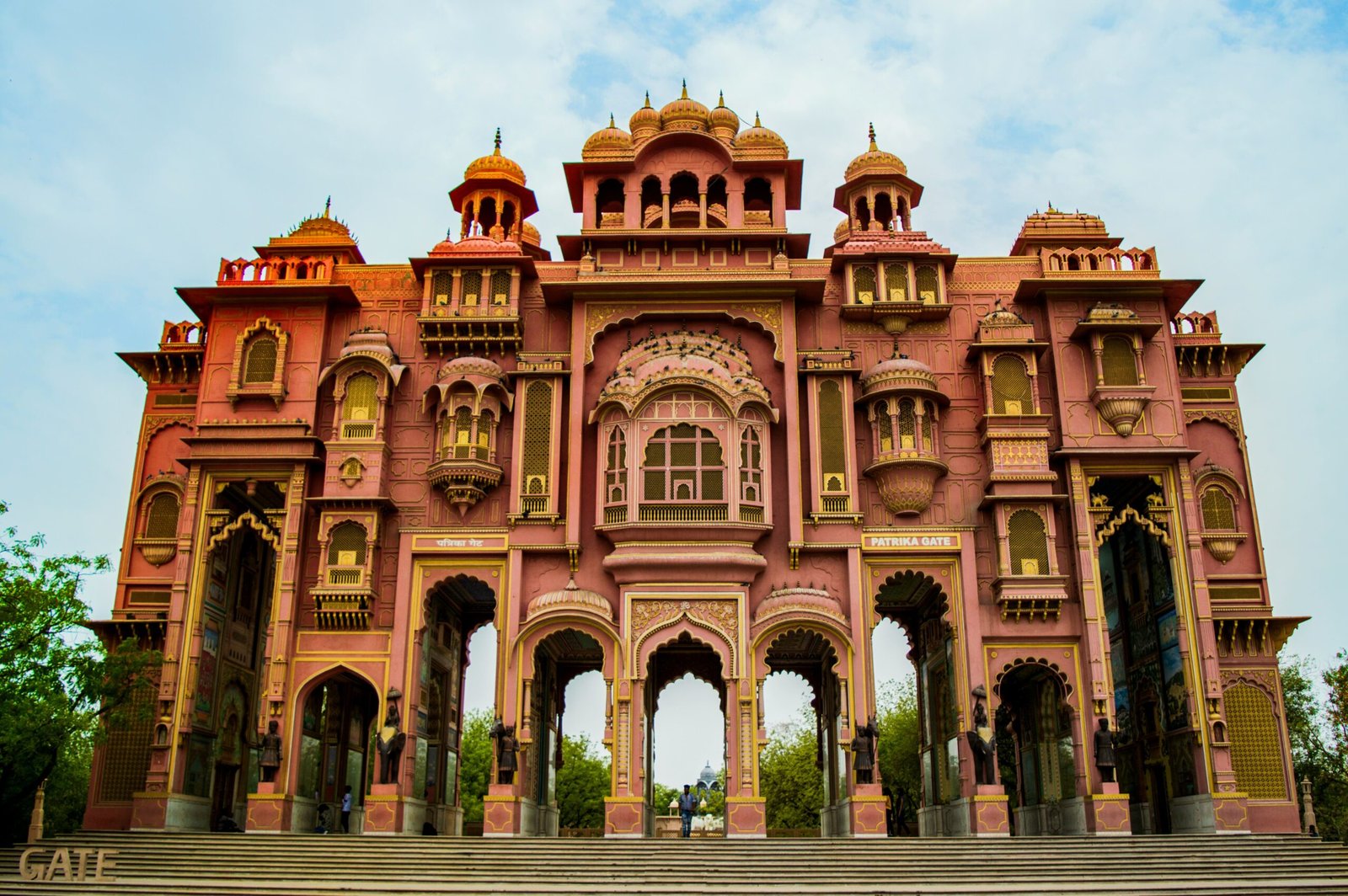
Winter transforms Jaipur into a season of vivid streets, serene forts and lively markets. This Jaipur winter itinerary is planned across four days, giving you the opportunity to explore historic landmarks, culinary delights and cultural experiences at a relaxed pace. With cooler temperatures, sightseeing in this region of the country is comfortable, photography is easier, and evenings are perfect for leisurely strolls or courtyard meals.
Winters in Jaipur - Day One and Two Itinerary
Day One: Exploring the Old City
Start your journey in the heart of Jaipur’s old city. Visit City Palace, a sprawling complex of courtyards, galleries and royal apartments that vividly showcases the city’s regal past. Adjacent to it is the Jantar Mantar, an eighteenth-century observatory with massive instruments designed to measure time and track celestial movements. Winter mornings make exploring these open-air sites far more enjoyable.
For lunch, choose a heritage café or traditional Rajasthani restaurant to begin your Jaipur food experiences. Try local specialities like dal baati churma, gatte ki sabzi and seasonal sweets.
After lunch, stroll through Johari Bazaar and Bapu Bazaar, both of which brim with handcrafted jewellery, textiles and souvenirs. End the day with a visit to Hawa Mahal, where the intricately designed façade is especially beautiful in the soft light of late afternoon. Dinner can be taken at a nearby rooftop restaurant, allowing you to soak in the evening atmosphere of the old city.
This day forms the foundation of a Jaipur sightseeing itinerary, combining history, architecture and street culture without rushing.
Day Two: Fort Circuit and Panoramic Views
Day two can be dedicated to Jaipur’s iconic forts. Begin early at Amber Fort, about half an hour from the city centre. Spend the morning exploring the palace’s ramparts, mirrored halls and courtyards. The cool air at this time of the year makes climbing the hill and walking through the sprawling complex comfortable.
Next, visit Jaigarh Fort, which houses historical cannons and offers sweeping views over Jaipur. A short drive brings you to Nahargarh Fort, another hilltop structure providing panoramic views of the city against the backdrop of the Aravalli Hills.
Return to Jaipur for lunch at a traditional restaurant serving winter-friendly dishes, such as lentil breads and warm curries. In the afternoon, visit Albert Hall Museum, located in Ram Niwas Garden, to enjoy indoor galleries showcasing art, textiles and weaponry.
In the evening, take a leisurely walk around Bapu Bazaar or relax at a café, marking the end of a day filled with forts and heritage exploration. This day clearly addresses what to do in Jaipur during winter, balancing outdoor and indoor activities.
Jaipur Winter Itinerary Day Three and Four
Day Three: Lakes, Temples and City Culture
Begin with Jal Mahal, the palace that appears to float on Man Sagar Lake. Morning light enhances its reflection, and the surrounding lake provides a peaceful start to the day. Continue to Galtaji Temple, also known as the Monkey Temple, situated amid rocky hills and natural water tanks.
For lunch, enjoy a local café or heritage restaurant, sampling seasonal dishes and Rajasthani desserts. Afternoon options include a slow walk in Central Park or visiting Birla Mandir, where the white marble glows beautifully in winter sunshine. This afternoon also provides further Jaipur food experiences, with local street snacks or tea houses to explore.
Evening is ideal for cultural engagement, such as visiting a local music venue, craft workshop or smaller heritage streets. By combining food, art and neighbourhood life, this day strengthens the overall Jaipur sightseeing itinerary.
Day Four: Local Life and Neighbourhood Discovery
The final day begins with a visit to Govind Dev Ji Temple, a key site in the old city, where locals gather, and seasonal rituals are visible. Use the morning for photography or a slow breakfast in a neighbourhood café.
Lunch can feature one last traditional Rajasthani meal, highlighting winter flavours. The afternoon is free for revisiting favourite spots or exploring hidden lanes in Chandpole Bazaar, where small shops, galleries and artisanal stores create a calm experience of the city. This slower pace helps travellers finalise their itinerary and reflect on the city’s rhythm.
The evening concludes with a relaxed meal, ideally at a rooftop or courtyard restaurant, bringing together all aspects of what to do in Jaipur during winter in one serene finale.
Where to Stay in Jaipur in Winter
Deciding where to stay in Jaipur in winter can enhance your trip to the Pink City significantly. A central heritage property in the city centre reduces travel time to major attractions while allowing guests to return to a calm, residential environment after full sightseeing days.
Dera Mandawa exemplifies the ideal base for this itinerary. As a heritage haveli in Jaipur, this restored family residence is positioned within the city, making daily excursions smooth and time-efficient while keeping travel distances manageable. Its setting allows guests to move easily between historic areas, cultural spaces and local neighbourhoods included in the itinerary. During winters in Jaipur, mornings at Dera Mandawa feel welcoming, afternoons suit planning city explorations, and evenings bring comforting meals in traditional surroundings after full days of sightseeing.
Frequently Asked Questions