

Not All Heroes Wear Capes – A Guide to Traditional Rajasthani Pickles and Chutneys
- Published On: March 26, 2026
- Written By: Ritushree
Most people travel for the monumental sandstone forts or the thrilling chance to spot a leopard in the wild. But a true gourmand knows that the real adventure lies strictly on the plate. When you delve into Rajasthani cuisine, you quickly realise that the main courses are only half the story. The unsung heroes of every meal do not arrive in grand silver tureens or on massive serving platters. They sit quietly in small ceramic bowls at the very edge of your plate. These are the fierce, tangy and unapologetically bold pickles and chutneys that can elevate a simple millet flatbread into a gastronomic masterpiece. They are the zesty sidekicks that pack a punch harder than a heavyweight champion and entirely transform your dining experience. Forget the mild supermarket sauces because we are diving into a world of serious flavour.
The Ingenious Roots of Rajasthani Cuisine
To truly appreciate the fine art of local condiment making, one must first understand the demanding geography of the region. The Thar Desert is breathtakingly beautiful but historically unforgiving. Fresh vegetables were a rare luxury in the sweltering heat before the advent of modern refrigeration and fast transport. Necessity is famously the mother of all culinary invention. Local cooks developed brilliant methods to preserve whatever the arid land provided them. Sun drying and pickling in robust mustard oil became the absolute backbone of their food philosophy.
The intense heat of the desert sun was harnessed to mature spices and ferment raw ingredients perfectly. This vital survival tactic eventually evolved into a celebrated culinary heritage. The resulting relishes are deeply woven into the fabric of daily life. They add a much-needed burst of acidic brightness and fiery depth to the daily staple diet of lentils and wholesome grains.
The Rare Elegance of Ker Sangri
If there were a global award for the most resilient ingredients on earth, the indigenous ker berry and sangri bean would effortlessly take the gold medal. These thorny shrubs thrive in the exact places where other plants surrender to the drought. When combined, they create a pickle that is nothing short of legendary. Foraging for these ingredients is an ancient practice that requires immense skill.
Once collected, they are thoroughly dried and then soaked in a pungent bath of cold-pressed mustard oil, dried red chillies, raw mango powder and earthy cumin. The resulting flavour profile is complex, tart and incredibly deep. Mastering the delicate balance of these wild ingredients is a staple of traditional Rajasthani recipes. Every grandmother fiercely guards her own specific ratio of spices.
A Symphony of Spice in the Rajasthani thali
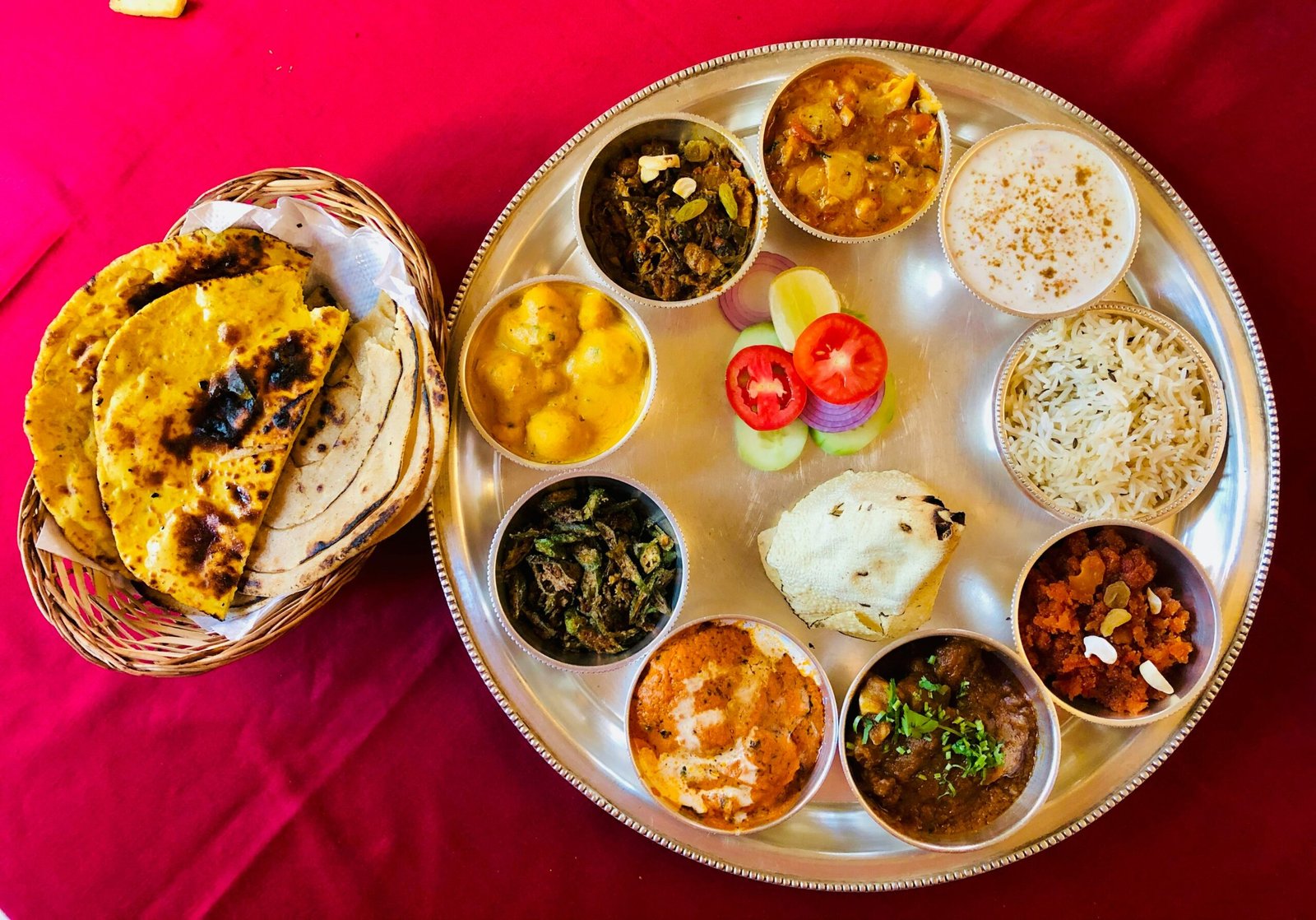
No grand feast is complete without a perfectly assembled Rajasthani thali. This massive platter is a visual and gastronomic feast that can slightly overwhelm the uninitiated traveller. Amidst the endless bowls of rich mutton curries, smoky yellow lentils and heavily sweetened desserts, the pickles act as vital palate cleansers. The classic green chilli pickle provides a sharp and vinegar-laced bite that slices right through the heavy ghee-laden dishes. Then there is the ubiquitous raw mango pickle. It is tart, incredibly salty and heavily spiced with toasted fennel seeds and nigella. Taking a tiny nibble of this mango pickle between bites of rich curry completely resets your palate and prepares you for the next wave of intense flavours. Without these tangy mediators, the feast would simply be too heavy and monotonous to finish. They are the crucial conductors directing a complex symphony of regional flavours.
The Sweet Relief of Kachri and Papaya
It is definitely not all fire and brimstone in the world of desert condiments. Sometimes you genuinely need a gentle embrace after a particularly spicy encounter. This is exactly where the sweeter and fruit-based chutneys swoop in to save the day. The wild melon known locally as kachri is frequently transformed into a tangy and slightly sweet relish that perfectly balances the robust spices of the main dishes.
Similarly, raw papaya is often grated and cooked down slowly with unrefined sugar, roasted cumin and black salt to create a wonderfully sticky concoction. This translucent and amber coloured jam is the perfect accompaniment to crispy fried snacks like kachoris. It is the culinary equivalent of applying soothing aloe vera gel after a long day in the hot desert sun. These sweeter notes are essential components of traditional Rajasthani food. They prove that local chefs are absolute masters of balancing contrasting flavour profiles.
The Ritual of Sun Drying and Spicing
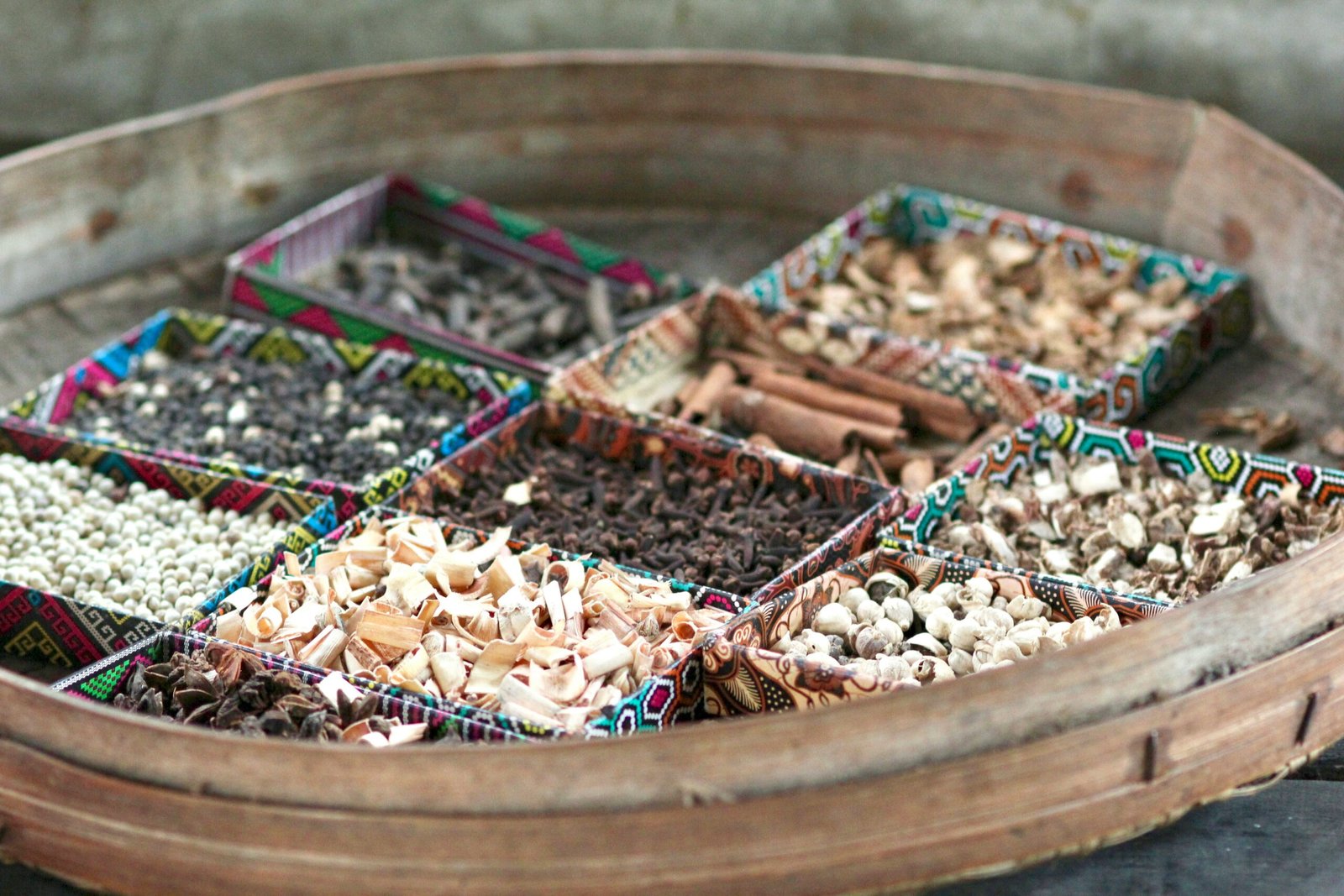
The creation of these magnificent condiments is rarely a solitary pursuit. It is a highly social and deeply nostalgic event that marks the changing of the seasons across the state. Entire courtyards are transformed into aromatic outdoor workshops. Women gather in the dappled shade of neem trees to painstakingly peel mountains of garlic or chop heavy baskets of sour green mangoes. The air grows thick with the sharp scent of mustard oil being heated to its smoking point and then slowly cooled.
This crucial step burns off the raw pungency of the oil and ensures the precious preserves will last for years without spoiling. Great care is taken to dry every single ingredient perfectly under the relentless sun because even a single drop of residual water can ruin a whole batch. The spice blends are hand-roasted in heavy iron pans. The delightful crackle of mustard seeds, fenugreek, fennel and carom seeds releases intoxicating essential oils into the dry air. This meticulous alchemy is a beautiful testament to the extreme patience required to master the local cuisine.
Elevating the Everyday Meal
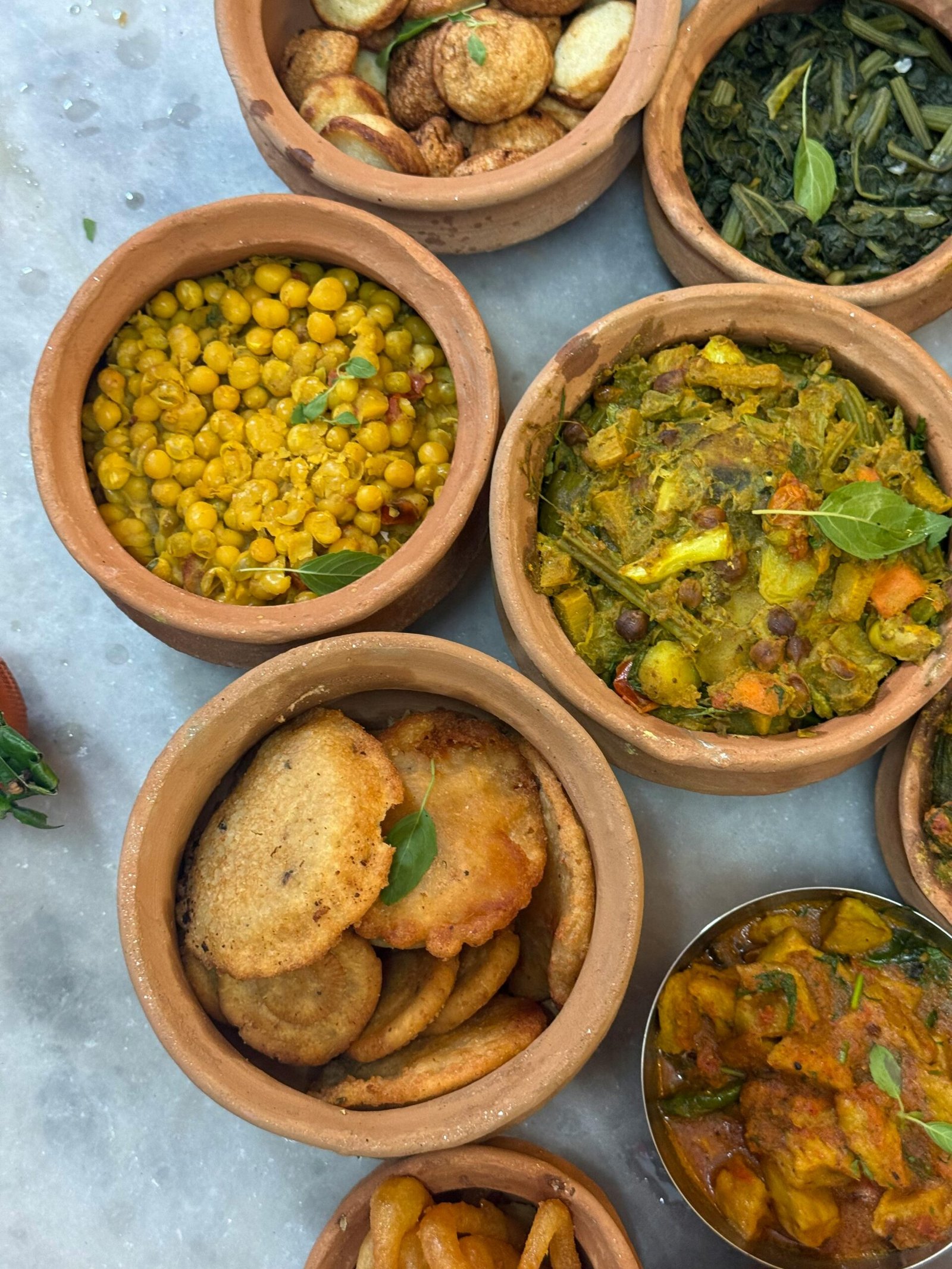
The true magic of these bold relishes lies in their incredible versatility. You do not need to be attending a lavish royal wedding to enjoy them. They are the great equalisers of the dining table. A humble farmer taking a well-deserved break under a Khejri tree will enjoy the exact same spicy garlic paste as a wealthy merchant dining in a frescoed mansion. A simple and austere lunch of boiled rice and plain yellow lentils is instantly transformed into a highly memorable feast with the addition of a potent lime pickle. The citrus rinds soften over months in the ceramic jar as they absorb the salt and spices until they practically melt on the tongue. These condiments are lovingly packed into silver tiffin boxes for long train journeys and wrapped in cloth for extended desert safaris. They are reliable and robust companions that carry the comfort of home wherever you might roam.
The culinary landscape of this region is a thrilling rollercoaster of textures, temperatures and daring ingredients. The humble pickles and chutneys are the undisputed stars of the show, proving time and again that monumental flavour often comes in the very smallest packages.
Exploring these fiery, tangy and sweet creations is absolutely essential for anyone wanting to truly understand the resilient soul of the region. Your taste buds will be forever grateful for the deliciously spicy education.
If you are ready to embark on a truly unforgettable gastronomic journey and experience the finest hospitality the state has to offer, reach out to Dera Mandawa today to book your stay and let us craft your perfectly tailored royal escape.
